Tasmania Electoral Map: Why Indigenous Recognition Matters
Tasmania is the only Australian state without an electorate named after an Aboriginal person or place. Learn why this matters and what the future holds for Indigenous recognition in the state.
Tasmania's Electoral Map: A Call for Indigenous Recognition
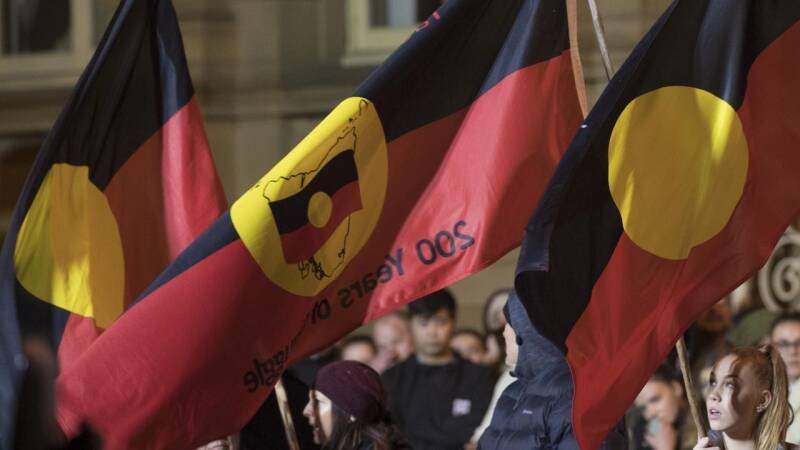
Tasmania stands out in Australia for a unique reason: it's the only state without a single electorate named after an Aboriginal person or place. While the rest of the country has embraced Indigenous recognition in their electoral maps, Tasmania's lack of representation has sparked a movement for change. This isn't just about names on a map; it's about acknowledging the rich history and enduring presence of Aboriginal people in Tasmania.
The Current Landscape
Currently, Tasmania's electoral divisions are named after historical figures, geographical landmarks, or abstract concepts. While these names have their own significance, they fail to reflect the deep connection Aboriginal people have to the land and their vital role in shaping Tasmanian history. This omission is seen by many as a missed opportunity to promote reconciliation and celebrate Indigenous culture.
Why This News Matters
This issue is about more than just political correctness. It’s about acknowledging the First Australians, their history, and their ongoing connection to the land. Naming electorates after Aboriginal figures or places would be a powerful symbol of respect and a concrete step towards reconciliation. It would also help educate future generations about the rich history of Tasmania, beyond the colonial narrative.
Imagine the impact of having an electorate named after Truganini, a key figure in Tasmanian Aboriginal history, or after a significant Aboriginal place name. These names would serve as constant reminders of the stories, struggles, and contributions of Aboriginal people to the state's identity.
Our Analysis
In our opinion, the absence of Indigenous names on Tasmania's electoral map is a glaring oversight. It sends a message that Aboriginal history and culture are not valued as highly as other aspects of the state's heritage. This situation also lags behind other states that have actively worked to incorporate Indigenous recognition into their place names and electoral boundaries.
We believe that changing this situation requires a collaborative effort between the Tasmanian government, the Electoral Commission, and Aboriginal communities. It's crucial to engage in meaningful consultation with Aboriginal people to ensure that any proposed names are culturally appropriate and reflect the wishes of the community. Failing to do so could risk tokenism and further marginalize Aboriginal voices.
Potential Challenges
Implementing these changes won't be without challenges. Some may argue that focusing on names is merely symbolic and doesn't address the underlying issues facing Aboriginal communities, such as poverty, health disparities, and systemic discrimination. However, we see symbolic acts like this as crucial steps in the journey of reconciliation. Furthermore, renaming electorates needs to be managed sensitively, avoiding any perception of erasing or diminishing other important aspects of Tasmanian history.
Future Outlook
The push for Indigenous recognition in Tasmania's electoral map is gaining momentum. With growing awareness and support from various sectors of society, we anticipate that changes will be made in the coming years. The specific timeframe and the names that will be chosen remain uncertain, but the conversation has begun, and the pressure is on for Tasmania to catch up with the rest of Australia.
This could impact the way Tasmanians view their state's history and identity. It could also lead to a greater understanding and appreciation of Aboriginal culture and a stronger sense of inclusion for Aboriginal people in Tasmanian society.
Next Steps
Here are a few things that could happen in the near future:
- Formal proposals for name changes submitted to the Electoral Commission.
- Public consultations held to gather feedback from the community.
- Legislative action taken to amend the relevant electoral laws.
- Increased educational initiatives to raise awareness about Tasmanian Aboriginal history and culture.
The journey toward reconciliation is ongoing, and the debate surrounding Tasmania's electoral map is just one chapter in this larger story. By embracing Indigenous recognition, Tasmania has the opportunity to create a more inclusive and representative society for all.