Taiwan Budget Review to Proceed with Opposition Demands Addressed
Taiwan's legislature agrees to review the national budget after opposition parties secure key concessions. Learn what this means for Taiwan's economy and future.
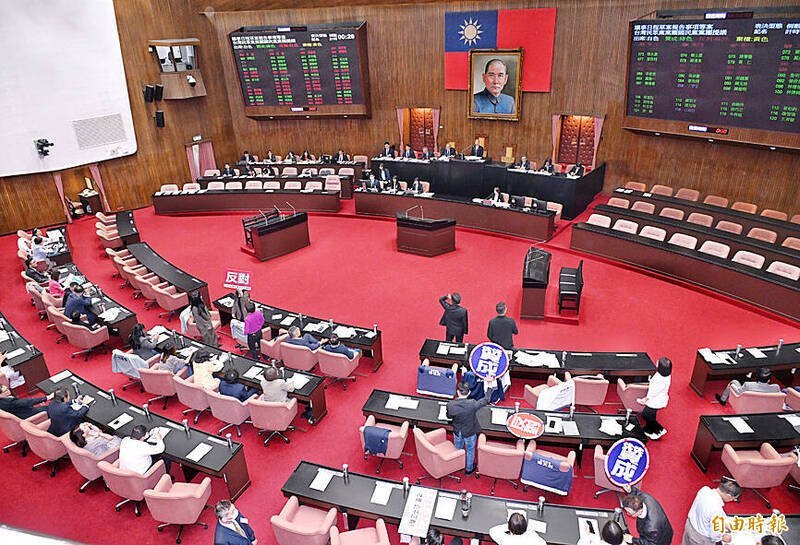



Taiwan's legislature agrees to review the national budget after opposition parties secure key concessions. Learn what this means for Taiwan's economy and future.
After weeks of political wrangling, Taiwan's lawmakers have finally agreed to begin reviewing the national budget. This breakthrough, reported by the Taipei Times, comes with significant preconditions demanded by the opposition parties. It signals a possible end to the budget stalemate, but the path forward remains uncertain.
The national budget is essentially a financial roadmap for the country. It outlines how the government plans to spend public money on various programs and initiatives, from infrastructure projects to social welfare programs. Disagreements over budget allocations are common in democratic systems, and Taiwan is no exception. Opposition parties often use the budget review process to push for policy changes and hold the government accountable.
The recent agreement hinges on the government addressing specific demands from the opposition. While the Taipei Times article mentions the implementation of an opposition-backed initiative as one of these preconditions, the exact details of all the demands are not fully laid out in the news piece. Suffice to say, the opposition has secured tangible concessions in exchange for allowing the budget review to proceed.
The approval of the national budget is critical for the smooth functioning of the government. A delayed budget can disrupt public services, postpone important projects, and create economic uncertainty. This agreement, while conditional, reduces the risk of such disruptions and allows the government to move forward with its planned spending. The agreed-upon preconditions also show a commitment to addressing legitimate concerns raised by the opposition. This potentially enhances the transparency and accountability of government financial planning.
In our opinion, this agreement represents a delicate balance of power. The government needs the budget approved to implement its policies, while the opposition seeks to influence those policies through the budget process. The fact that the opposition was able to secure concessions suggests they wield significant influence in the legislature. This compromise, however, doesn't guarantee a smooth and fast review. Potential disagreements over the interpretation and implementation of the preconditions could still derail the process.
The next step is for lawmakers to begin the actual budget review. This involves examining each line item of the budget, questioning government officials, and proposing amendments. The process can be lengthy and contentious, but with the recent agreement in place, there is reason to be cautiously optimistic. This could impact investor confidence and business planning if the budget process unfolds smoothly.
We anticipate intense scrutiny of the budget details and heated debates over specific allocations. The outcome of the budget review will shape Taiwan's economic and social policies for the coming year. It will be crucial to monitor the process closely and assess the impact of any proposed changes. While this agreement is a step in the right direction, the real test lies in the successful completion of the budget review and its effective implementation.
The path forward for Taiwan's national budget remains complex. However, this agreement to proceed with the budget review offers hope that the government and opposition can work together, despite their differences, to serve the best interests of the country. The implications of this deal are significant and warrant continued attention as the budget review unfolds.