Aung San Suu Kyi House Arrest: What It Means for Myanmar
Aung San Suu Kyi's move to house arrest in Myanmar offers a glimmer of hope but raises questions about her true freedom and the future of the country.
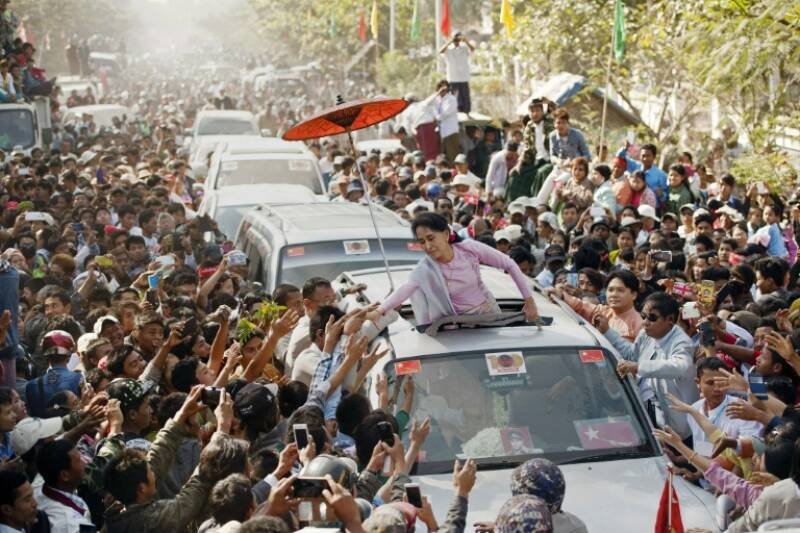



Aung San Suu Kyi's move to house arrest in Myanmar offers a glimmer of hope but raises questions about her true freedom and the future of the country.
Aung San Suu Kyi, the democratically elected leader of Myanmar ousted in the February 2021 military coup, has been moved from prison to house arrest. While this news offers a sliver of hope after years of her detention, she remains isolated from the public, and the implications for Myanmar's political future are complex.
The announcement of Suu Kyi's move to house arrest was made recently, but details remain scarce. The military junta, which seized power, has provided limited information, leading to widespread speculation and uncertainty about the true conditions of her confinement.
It's crucial to remember that Suu Kyi, a Nobel Peace Prize laureate, has been a pivotal figure in Myanmar's struggle for democracy. Her detention has been a major point of international condemnation, and calls for her release have been persistent.
This development, while seemingly positive, needs careful consideration. Here's why it matters:
In our opinion, the move to house arrest is likely a calculated maneuver by the junta. They may be attempting to alleviate international pressure and improve their image on the world stage. It's unlikely to be a genuine step towards restoring democracy.
This could impact the ongoing conflict in Myanmar. On one hand, some might see it as a sign that negotiation with the junta is possible. On the other hand, it could embolden resistance groups to continue their fight for full democratic restoration, knowing international attention remains focused on Suu Kyi's situation.
We must remember that Suu Kyi's supporters and many political prisoners remain in detention. A broader release of political prisoners and a commitment to free and fair elections are essential for any genuine progress.
The future remains uncertain. Here are some potential scenarios:
The international community, particularly ASEAN, must maintain its pressure on the junta. Strong sanctions, diplomatic engagement with all stakeholders (including ethnic armed organizations), and humanitarian aid are crucial.
Ultimately, the fate of Myanmar hinges on the will of its people and the commitment of the international community to supporting their aspirations for democracy, human rights, and lasting peace.
























