Surveillance Powers Extended: What it Means for Your Privacy
President Trump signed a bill extending controversial surveillance powers. Learn what Section 702 of FISA means for your privacy, the debate around it, and the potential impact.




President Trump signed a bill extending controversial surveillance powers. Learn what Section 702 of FISA means for your privacy, the debate around it, and the potential impact.
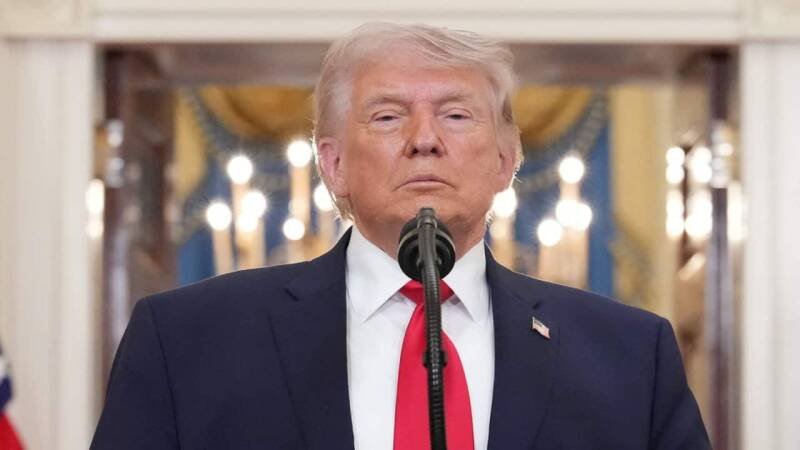
President Trump recently signed a bill that extends controversial surveillance powers granted under Section 702 of the Foreign Intelligence Surveillance Act (FISA). This last-minute extension, approved by the Senate on Friday, means these powers will now continue until April 30. But what exactly does this mean, and why is it controversial?
Section 702 allows U.S. intelligence agencies to collect communications of non-U.S. citizens located outside the United States. This is primarily done by targeting individuals who are believed to be communicating with foreign intelligence targets. Think of it as a way for the government to listen in on conversations happening abroad.
The law focuses on gathering foreign intelligence, which includes information relating to national security, terrorism, and foreign policy. The goal is to proactively identify and address potential threats before they materialize.
While Section 702 is intended to target foreign threats, a significant concern arises from the incidental collection of Americans' communications. Because US citizens might be communicating with those targeted, their emails, phone calls, and other electronic communications can get swept up in the surveillance net. This is a major sticking point for privacy advocates who argue that it violates the Fourth Amendment, which protects against unreasonable searches and seizures.
Critics also raise concerns about the lack of transparency and oversight regarding how this data is collected, stored, and used. There are worries that the information could be used for purposes beyond national security, potentially infringing on the civil liberties of American citizens.
This extension impacts everyone who communicates electronically, particularly those who may have contact with individuals overseas. Even if you are not a target of surveillance, your communications could be incidentally collected. Understanding Section 702 is crucial for being informed about the scope of government surveillance and its potential impact on your privacy. This continued debate highlights the tension between national security and individual liberties.
In our opinion, the extension of Section 702 raises serious concerns about the balance between national security and individual privacy. While the government argues that these powers are essential for protecting the country from foreign threats, the potential for abuse and the lack of transparency are deeply troubling. The incidental collection of Americans' communications is a significant infringement on civil liberties, and we believe that stronger safeguards are needed to protect against potential misuse of this data.
The rushed nature of this extension, with a last-minute scramble to prevent the expiration of Section 702, suggests a lack of serious consideration for the concerns raised by privacy advocates and civil liberties groups. In our view, a more comprehensive and transparent review of these powers is necessary to ensure that they are used responsibly and in accordance with constitutional principles.
The extension only lasts until April 30, meaning this debate is far from over. Expect renewed discussions in Congress regarding the future of Section 702. We anticipate that privacy advocates will continue to push for reforms that limit the scope of surveillance and increase transparency. The intelligence community will likely argue that these powers are vital for national security and resist any significant changes.
This could impact ongoing efforts to reform surveillance laws and introduce stricter protections for privacy. The outcome of this debate will have significant implications for the future of surveillance in the United States and the balance between security and liberty. Consider the following questions in the coming months:
The answers to these questions will determine the extent to which the government can conduct surveillance in the future and the degree to which individual privacy is protected.