US Military Prepares to Seize Iran-Linked Ships: What It Means
The US military is reportedly preparing to seize Iran-linked oil tankers. We break down the implications, analyze the situation, and discuss the future outlook.



The US military is reportedly preparing to seize Iran-linked oil tankers. We break down the implications, analyze the situation, and discuss the future outlook.
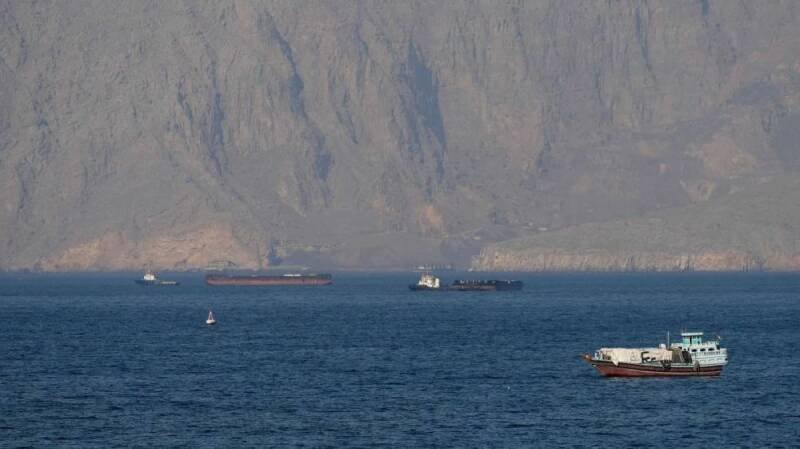
According to a report by the Wall Street Journal, the US military is preparing to board and seize commercial ships, particularly oil tankers, linked to Iran in international waters. This escalation comes amidst rising tensions in the region and concerns over maritime security. Reuters was unable to independently verify the report. India has also expressed "deep concern" over recent attacks on its ships in the Strait of Hormuz, adding another layer of complexity to the situation.
For context, the Strait of Hormuz is a vital waterway for global oil supplies, connecting the Persian Gulf to the Gulf of Oman and the Arabian Sea. A significant portion of the world's oil passes through this narrow strait, making it a strategic chokepoint. Any disruption to shipping in this area can have a major impact on global energy markets and international relations.
India has raised serious concerns with Iran following attacks on two of its flagged ships attempting to cross the Strait of Hormuz. The Sanmar Herald was identified as one of the vessels attacked. Fortunately, the crew and the vessel are reported to be safe. India's foreign ministry has urged Iran to facilitate the safe passage of India-bound ships through the Strait.
Prior to this, reports emerged of Iranian boats firing shots at at least two ships in the waters between Qeshm and Larak islands. The ships subsequently turned back without completing their journey. The United Kingdom Maritime Trade Operations (UKMTO) also reported an incident involving a tanker approached by Islamic Revolutionary Guard Corps gunboats that fired on the vessel. A container ship was also reportedly hit by gunfire.
Adding to the tension, the US military stated that 23 ships have complied with orders from US forces to turn back toward Iran since the United States imposed a blockade on Iranian ports and coastal areas. This underscores the US's continued pressure campaign on Iran.
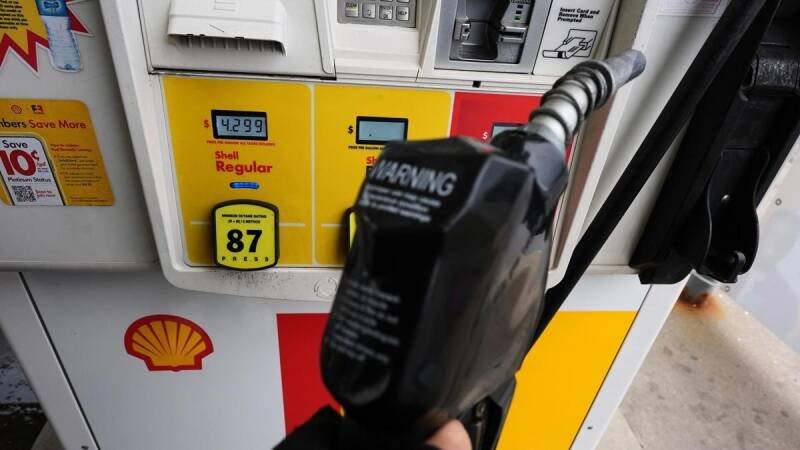
This news matters because it signals a potential escalation in the already strained relationship between the US and Iran. Seizing ships could lead to direct confrontations and further destabilize the region. The implications extend beyond the immediate players, impacting global oil markets, international trade, and the security of maritime routes. A disruption in the Strait of Hormuz could send oil prices soaring and disrupt supply chains worldwide.
In our opinion, this move by the US, if confirmed, is a high-risk strategy. While the US aims to deter Iran's activities, seizing ships could be seen as an act of aggression, potentially triggering a response from Iran. The attacks on Indian-flagged ships further complicate the situation, raising questions about maritime security in the region. The competing narratives and lack of independent verification of some reports make it difficult to fully assess the situation, but the potential for miscalculation and escalation is undeniably high. It's important to note that increased security presence in the region could also lead to unintended consequences.
The future outlook is uncertain. Several possible scenarios could unfold:
This could impact shipping companies, insurance rates, and the price of consumer goods. Ultimately, the next few weeks will be crucial in determining the trajectory of this situation. Close monitoring of events and diplomatic efforts are essential to prevent further escalation and maintain stability in the region.