Nepal Fuel Price Hike: Protests Loom as Durga Prasai Demands Rollback
Durga Prasai threatens protests if Nepal's fuel price hike isn't reversed. Learn about the potential impact and future outlook of this situation.



Durga Prasai threatens protests if Nepal's fuel price hike isn't reversed. Learn about the potential impact and future outlook of this situation.
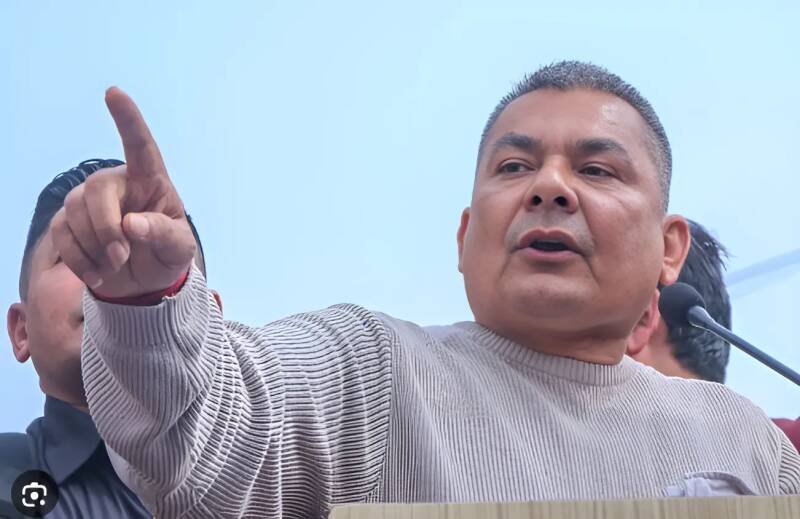
Nepal is facing a potential wave of protests over a recent increase in fuel prices. Durga Prasai, coordinator of the "Nation, Nationality, Religion, Culture and Citizen Protection Grand Campaign," has issued a stark warning to the government: reverse the price hike or face widespread demonstrations.
Prasai, speaking at a press conference in Kathmandu, gave the government a one-week ultimatum. He stated that the campaign would mobilize and launch protests if the government doesn't immediately withdraw the fuel price increase. This signals a growing discontent among certain segments of the population concerning the cost of living.
A fuel price hike in Nepal has ripple effects throughout the economy. Increased transportation costs directly impact the prices of goods and services, leading to higher inflation. This disproportionately affects lower-income households who spend a larger percentage of their income on essential items.
Furthermore, protests can destabilize the country, deter investment, and disrupt daily life. The government's response to Prasai's demands will be crucial in determining the socio-economic climate in the coming weeks. We believe this news highlights a significant tension point within Nepali society.
The government likely increased fuel prices due to a combination of factors, including global market fluctuations and potential pressure from international lenders or suppliers. Nepal imports a significant portion of its fuel, making it vulnerable to price volatility. However, the timing is particularly sensitive given the current economic challenges faced by many Nepalis.
In our opinion, the government needs to consider the social and political consequences of its economic policies. While fiscal responsibility is important, ignoring the plight of ordinary citizens can lead to unrest and instability. A more gradual approach to price adjustments, coupled with targeted support for vulnerable populations, might be a more prudent strategy.
The "Nation, Nationality, Religion, Culture and Citizen Protection Grand Campaign," while focused on broader issues, has identified a key pressure point in the current economic climate. Their ability to mobilize protests will depend on the level of public support they can garner. This could impact the government's stability, especially if the protests escalate and attract broader participation.
The next week is critical. The government has a few options:
Ultimately, the future outlook depends on the government's ability to balance economic imperatives with the needs of its citizens. If the protests do materialize, it could further strain the already fragile economy and potentially lead to political instability. The situation is very fluid and warrants close observation.
The success of Prasai's campaign hinges on his ability to rally public support and maintain momentum. It's crucial to monitor the size and scope of any planned protests, as well as the government's response. This could be a defining moment for Nepali politics and economics.
Moving forward, Nepal needs to explore alternative energy sources and diversify its economy to reduce its dependence on imported fuel. Investing in renewable energy and promoting energy efficiency could help insulate the country from future price shocks. This is the best long-term solution for a stable and prosperous Nepal.