Trump's Policies and Iran's Rise: An Anti-Globalist Superpower?
Explore how Trump's foreign policies might have unintentionally strengthened Iran's position as an anti-globalist force and what this means for the future of global politics.



Explore how Trump's foreign policies might have unintentionally strengthened Iran's position as an anti-globalist force and what this means for the future of global politics.
Rachel Marsden, a well-known political commentator, recently argued that former US President Donald Trump's foreign policies may have inadvertently contributed to Iran's growing influence as an "anti-globalist superpower." This is a provocative claim that warrants careful examination.
To understand this argument, we need to consider Trump's approach to Iran. His administration withdrew from the Iran nuclear deal (JCPOA) in 2018 and reimposed sanctions, aiming to pressure Iran into renegotiating a new agreement. The intention was to curb Iran's nuclear ambitions and regional influence. However, the actual outcome may have been quite different.
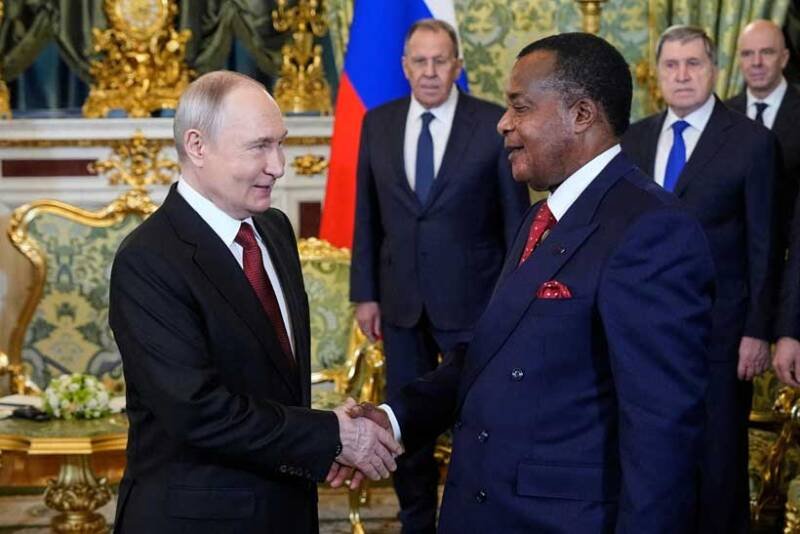
These actions isolated Iran from much of the Western world, pushing it closer to countries like Russia and China. This alignment has provided Iran with economic and political support, enabling it to weather the sanctions and expand its influence in other ways. The anti-globalist stance promoted by Russia and China resonates with Iran's own resistance to Western-led international norms and institutions.
The implications of a strengthened Iran are significant. A more powerful Iran could destabilize the Middle East further, potentially leading to increased conflicts and proxy wars. It could also challenge the existing global order, particularly in regions where the US influence is waning. Understanding the factors contributing to Iran's rise is crucial for formulating effective foreign policy strategies.
This news matters because it highlights the unintended consequences of foreign policy decisions. Actions taken with the best intentions can sometimes backfire, leading to outcomes that contradict the original goals. The situation with Iran serves as a cautionary tale about the complexities of international relations and the need for careful consideration of all potential ramifications.
In our opinion, Marsden's argument raises important questions about the effectiveness of unilateral sanctions and the role of geopolitical alliances. While Trump's administration aimed to weaken Iran, its policies may have inadvertently strengthened it by forcing it to seek support elsewhere. The closer ties between Iran, Russia, and China represent a shift in the global balance of power.
It's also important to consider the internal dynamics within Iran. The pressure from sanctions may have strengthened the hardliners within the Iranian government, who are more resistant to engagement with the West. This could further complicate efforts to de-escalate tensions and find diplomatic solutions.
Furthermore, the definition of "anti-globalist superpower" needs clarification. Iran doesn't possess the economic or military might of a traditional superpower. However, its strategic location, vast energy reserves, and growing influence in the region, coupled with its alignment with other anti-Western powers, give it a unique position in the global landscape. This could impact resource markets and influence regional alliances.
Looking ahead, several factors will shape Iran's future trajectory. The success of any future negotiations regarding the nuclear deal will be crucial. If a new agreement can be reached, it could ease sanctions and reintegrate Iran into the global economy, potentially moderating its anti-globalist stance. However, if negotiations fail, Iran is likely to continue strengthening its ties with Russia and China, further solidifying its position as a counterweight to Western influence.
The internal political dynamics within Iran will also play a significant role. If more moderate voices gain influence, it could create opportunities for dialogue and cooperation with the West. However, if hardliners remain in power, the risk of escalation and conflict will remain high.
Ultimately, the future of Iran and its role in the world will depend on a complex interplay of internal and external factors. Understanding these factors is essential for navigating the challenges and opportunities that lie ahead.