Pope's Africa Trip Overshadowed: Why It Matters & What's Next
Pope Leo XIV's Africa tour is overshadowed by a public spat with President Trump. Learn why this matters, our analysis, and the potential future impacts.
Pope's Africa Tour Clouded by Trump Spat: A Deep Dive
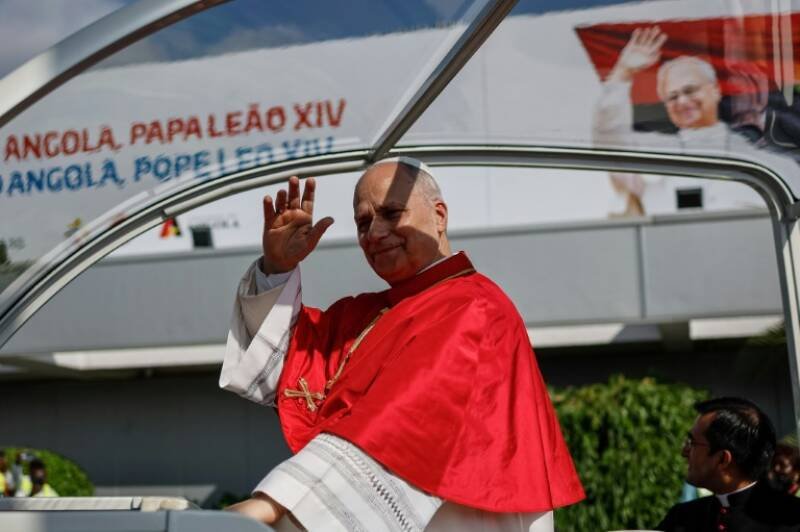
Pope Leo XIV's ongoing tour of Africa has been unexpectedly thrust into the international spotlight, not for its message of peace and reconciliation, but due to a public disagreement with US President Donald Trump. As the Pope arrived in Angola, the third stop on his journey, he expressed his disappointment that the trip had been "marked by a war of words" with the American leader. This incident raises questions about the Vatican's role in global affairs and its relationship with the United States.
What Happened?
The exact nature of the "war of words" remains somewhat unclear, though reports suggest it involves differing opinions on social and political issues. While specific statements have not been publicly released by either side, the Pope's acknowledgement signals a significant breach of diplomatic protocol, highlighting a potential rift between the Vatican and the current US administration. This stands in stark contrast to the more collaborative relationship between the Vatican and previous US presidents.
Angola and the Pope's Mission
The Pope's visit to Angola, a nation still recovering from decades of civil war, is aimed at promoting peace, reconciliation, and social justice. Angola, with its rich history and diverse population, faces numerous challenges, including poverty, inequality, and corruption. The Pope's presence is intended to offer hope and encouragement to the Angolan people, emphasizing the importance of unity and compassion.
Why This News Matters
This incident transcends a mere personal disagreement. It underscores a potentially widening gap between the Vatican's values and the current political climate in the United States. The Pope's role as a moral compass on the global stage is being tested, as he navigates complex relationships with world leaders while upholding the principles of faith, justice, and human dignity. The perceived tension with the US administration could impact the Vatican's ability to effectively mediate international conflicts and advocate for social change.
Our Analysis
In our opinion, the Pope's acknowledgement of the conflict, despite the inherent diplomatic risks, reveals the depth of the disagreement. It suggests that the issues at stake are fundamental enough to warrant a public statement, even if it risks escalating tensions. This could impact the Vatican's standing within certain political circles in the US, but it also reinforces its commitment to its core values, regardless of political expediency.
The timing of this event, during a crucial mission to Africa, further complicates matters. The Pope's ability to focus on the needs of the Angolan people and deliver his message of hope may be hampered by the distraction of the conflict with President Trump. The world's media, drawn to controversy, will inevitably focus on the dispute, potentially overshadowing the positive impact of the papal visit.
Future Outlook
The future relationship between the Vatican and the US administration remains uncertain. It is possible that both sides will seek to de-escalate tensions through private channels. However, if the underlying ideological differences persist, further public disagreements could arise. This could impact international collaborations on key issues such as climate change, poverty reduction, and conflict resolution.
It is also possible that other nations will take this opportunity to strengthen ties with the Vatican, seeing it as an alternative voice of moral authority on the global stage. The Pope's actions in the coming weeks and months will be closely watched by world leaders and the international community, as he seeks to navigate this challenging situation and maintain the Vatican's influence in a rapidly changing world. The ability to rise above the Trump feud and ensure the Africa trip positively impacts the continent will be key to ensuring the long-term influence of the church. This requires skilled maneuvering on the part of the Vatican and a focus on the core messaging of peace and humanitarian aid.