Trump Order Accelerates Psychedelics Review: Ibogaine and Mental Health
Trump signs order to speed up the review of psychedelics like ibogaine for mental health treatment. Learn about the potential benefits and risks.



Trump signs order to speed up the review of psychedelics like ibogaine for mental health treatment. Learn about the potential benefits and risks.
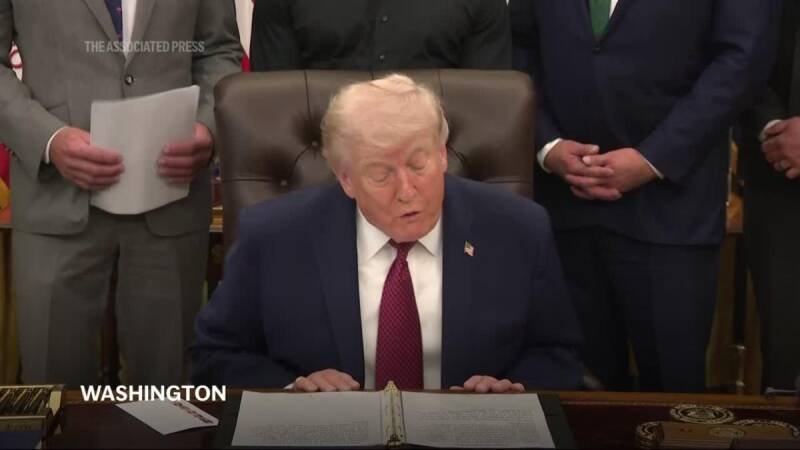
Former President Trump recently signed an executive order designed to accelerate the review and approval process for psychedelic drugs, including the controversial substance ibogaine. This order marks a significant step toward exploring the potential of these substances in treating mental health conditions, particularly among veterans struggling with PTSD and other trauma-related issues. But it also raises important questions about safety and regulation, especially concerning ibogaine's known risks.
The order directs federal agencies, particularly the Food and Drug Administration (FDA), to streamline the evaluation of psychedelic compounds. The goal is to facilitate research and, ultimately, make these treatments more accessible to individuals who might benefit from them. While the specific details of how this streamlining will occur remain to be seen, the intent is clear: to reduce bureaucratic hurdles and expedite the process of bringing promising therapies to market.
Ibogaine, derived from the root bark of an African shrub, is a powerful psychedelic known for its potential to interrupt addiction and address underlying trauma. However, it's also associated with significant risks, including potentially fatal heart problems. Because of these dangers, ibogaine is not currently approved for medical use in the United States and remains a Schedule I controlled substance.
This executive order signifies a shift in the way the U.S. government approaches psychedelic research and treatment. For years, these substances were largely dismissed due to their association with counter-culture movements and concerns about their safety. However, growing scientific evidence suggests that certain psychedelics, when used responsibly and under medical supervision, may offer significant benefits for individuals struggling with treatment-resistant mental health conditions. This includes PTSD, depression, anxiety, and addiction.
This is especially relevant to veterans, who often face disproportionately high rates of these conditions and may not respond well to traditional therapies. The order's focus on accelerating review processes could potentially provide veterans with access to innovative and potentially life-changing treatments. It also opens up potential avenues for treating those with opioid addictions as ibogaine has shown promise in treating addiction withdrawal.
In our opinion, this executive order is a bold move that recognizes the potential of psychedelics to address a critical unmet need in mental healthcare. The growing body of evidence supporting the therapeutic benefits of substances like psilocybin (found in magic mushrooms) and MDMA (ecstasy) is becoming increasingly difficult to ignore. However, it is crucial that this move is balanced with a cautious and science-driven approach to ensure patient safety.
The inclusion of ibogaine in this accelerated review process raises some concerns, given its known risks. It is essential that any research involving ibogaine is conducted under strict medical supervision and with appropriate safeguards in place to mitigate the potential for adverse events. A clear regulatory pathway is needed for its safe and monitored administration.
The long-term impact of this executive order remains to be seen. Several factors will influence the future of psychedelic research and treatment in the U.S., including:
This could impact funding allocations for psychedelic research. Increased investment in rigorous studies is crucial to establish the safety and efficacy of these substances and to identify the populations that are most likely to benefit from them.
Ultimately, the success of this initiative will depend on a collaborative effort involving government agencies, researchers, healthcare providers, and the public. Open and honest dialogue, grounded in scientific evidence, is essential to ensure that psychedelics are used responsibly and ethically to improve the lives of those who are struggling with mental health challenges.