Iran Strait of Hormuz Tensions Rise: US Warns Against Blackmail
Iran tightens control of the Strait of Hormuz amidst US tensions. Understand the implications of this strategic move, potential impacts, and future outlook.



Iran tightens control of the Strait of Hormuz amidst US tensions. Understand the implications of this strategic move, potential impacts, and future outlook.
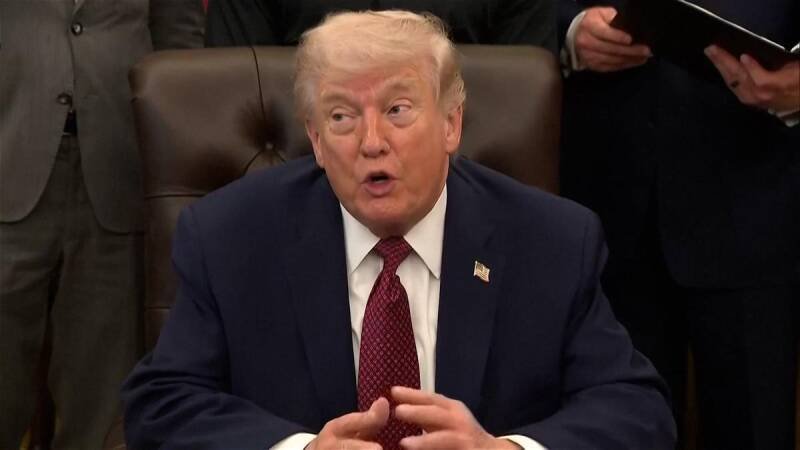
Tensions are escalating in the Strait of Hormuz as Iran has reportedly increased its control over this vital waterway. This move has drawn a sharp response from the United States, with former President Trump warning against what he termed "blackmail." The situation is complex and could have significant ramifications for global oil supplies and international relations.
Reports indicate that Iran has stepped up its naval presence and monitoring activities in the Strait of Hormuz. This strategic choke point is critical because it connects the Persian Gulf to the Gulf of Oman and the Arabian Sea. A significant portion of the world's oil supply passes through this narrow channel, making it a strategically important location.
Tehran has stated that its actions are a response to a continued "U.S. blockade" of Iranian ports. They claim this blockade violates a previously agreed-upon ceasefire, although details of this ceasefire agreement remain somewhat vague in public discourse. Iran views the increased US naval presence in the region and the sanctions imposed on its oil exports as hostile acts.
The Strait of Hormuz is a critical artery for global oil trade. Any disruption to shipping in this area could lead to a spike in oil prices, impacting economies worldwide. Beyond the economic consequences, this situation carries the potential for military confrontation between Iran and the United States, with far-reaching implications for regional and global security.
A key element of this is Iran's assertion of a US blockade. If true, this could justify their actions under international law as a response to aggression. However, the US likely sees it as a way to enforce sanctions imposed on Iran, and not a military blockade.
In our opinion, Iran's increased control over the Strait of Hormuz is a calculated move designed to put pressure on the United States to ease sanctions. By threatening to disrupt oil supplies, Iran is attempting to leverage its strategic position to gain concessions. Trump's "blackmail" accusation suggests a US unwillingness to negotiate under these conditions.
This situation highlights the delicate balance of power in the region and the potential for miscalculation. A minor incident in the Strait of Hormuz could quickly escalate into a major conflict, with devastating consequences.
Furthermore, it’s important to remember the historical context. Tensions between Iran and the US have been high for decades, fueled by disagreements over Iran's nuclear program, its support for regional proxies, and US sanctions. This latest episode is just one chapter in a long and complex relationship.
The future of this situation is highly uncertain. Several factors could influence the outcome, including:
It is possible that negotiations could lead to a de-escalation of tensions. However, in the absence of a diplomatic breakthrough, the risk of conflict remains high. This could impact businesses and individuals worldwide.
In our assessment, close monitoring of the situation is crucial. Businesses and governments need to be prepared for potential disruptions to oil supplies and the possibility of further escalation. Clear communication and diplomatic efforts are essential to prevent a potentially catastrophic outcome.