Petrochemicals and Global Security: Why the Iran Conflict Matters
The Iran conflict puts a spotlight on petrochemicals, their role in global supply chains, and their impact on climate change. Understand the risks and potential consequences.
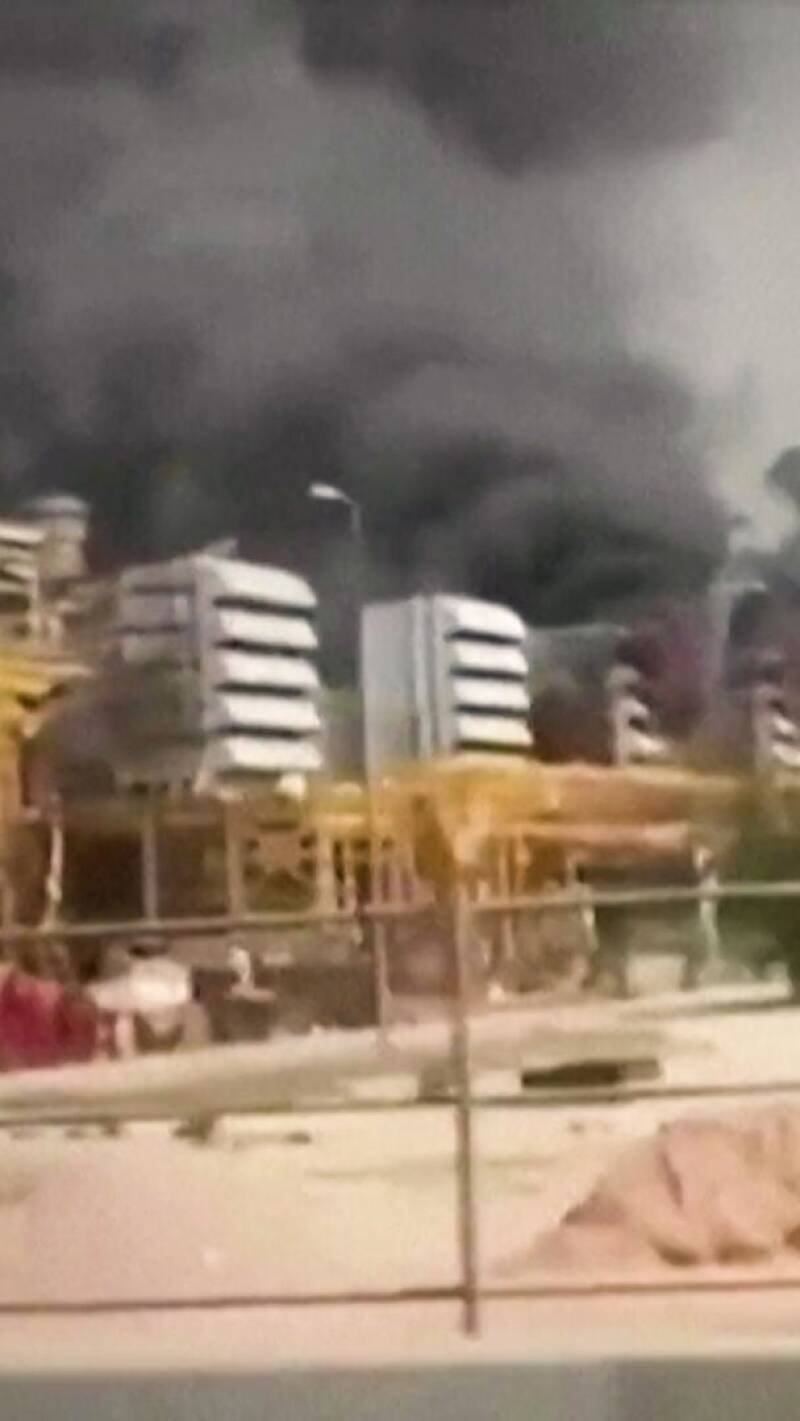



The Iran conflict puts a spotlight on petrochemicals, their role in global supply chains, and their impact on climate change. Understand the risks and potential consequences.
The ongoing instability in the Middle East, particularly concerning Iran, is bringing renewed attention to a sector that underpins modern life: petrochemicals. From the plastic in our smartphones to the fertilizers that grow our food, petrochemicals are essential ingredients in countless everyday products. But this dependence comes with risks, especially when geopolitical tensions rise.
Petrochemicals are chemicals derived from crude oil and natural gas. These raw materials are processed to create a wide range of compounds, which are then used to manufacture plastics, synthetic rubber, fertilizers, detergents, pharmaceuticals, and much more. Simply put, petrochemicals are the building blocks of many of the items we rely on daily.
The reliance on petrochemicals, particularly those sourced from regions vulnerable to conflict, creates significant vulnerabilities in the global supply chain. Disruptions in the production or transportation of these chemicals can have cascading effects, leading to shortages, price increases, and economic instability. The current situation with Iran highlights this risk, potentially impacting a vast array of industries and consumers worldwide.
The concentration of petrochemical production in politically unstable regions is a significant concern. Iran, despite facing sanctions, remains a key player in the global petrochemical market. Any escalation of conflict involving Iran could severely disrupt the flow of these essential materials. This is not merely an economic issue; it's a matter of national security for many countries reliant on these imports.
In our opinion, the current crisis should serve as a wake-up call. Diversifying supply chains and investing in alternative, more sustainable sources of chemicals is crucial for mitigating future risks.
Beyond geopolitical concerns, the petrochemical industry is a major contributor to climate change. The extraction, processing, and transportation of fossil fuels release significant amounts of greenhouse gases into the atmosphere. Furthermore, the production and disposal of plastic products made from petrochemicals contribute to pollution and environmental degradation.
The future of the petrochemical industry is likely to be shaped by several factors, including geopolitical instability, environmental regulations, and technological innovation. The development of bio-based alternatives and advanced recycling technologies could reduce our reliance on fossil fuels and mitigate the environmental impact of petrochemical production.
Addressing the challenges posed by our dependence on petrochemicals requires a multi-faceted approach:
This could impact businesses and consumers. In our opinion, the need to adapt to a changing world is more important than ever.
The reliance on Iranian petrochemicals by some countries gives Iran leverage in international relations. This dependency, particularly in a time of sanctions and potential conflict, creates a complex web of economic and political considerations. Countries that rely on Iran for these resources may find themselves in a difficult position, balancing their economic needs with their geopolitical objectives.
Ultimately, the events surrounding Iran serve as a stark reminder of the interconnectedness of global supply chains and the vulnerability of our reliance on finite resources, especially from volatile regions. Preparing for a future with alternative materials and diversified supplies will be paramount for navigating the challenges ahead.