Oklahoma GOP Seeks Runoff Changes: What It Means for Voters
Oklahoma Republicans are trying to change runoff election rules. Understand what's happening, why it matters, and the potential impact on future elections.
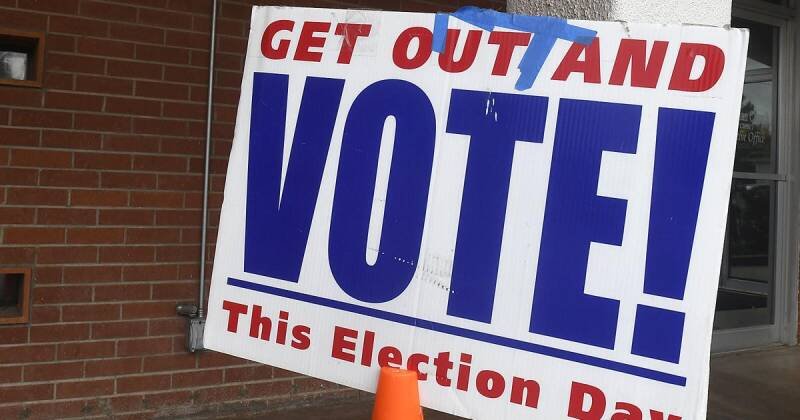



Oklahoma Republicans are trying to change runoff election rules. Understand what's happening, why it matters, and the potential impact on future elections.
Oklahoma's Republican lawmakers are considering changes to the state's runoff election process. The proposed changes aim to give a potentially smaller, but highly motivated, Republican voter base another opportunity to weigh in on issues that have already been decided by a broader electorate.
Behind the scenes, discussions are underway to potentially alter how runoff elections are conducted in Oklahoma. These elections happen when no single candidate receives a majority of the votes in the initial election. The top two candidates then face off in a subsequent runoff.
The push for these changes suggests a desire to capitalize on a dedicated Republican voting bloc, potentially shifting election outcomes in their favor. This has raised concerns about fairness and whether it accurately reflects the will of the majority of voters.
Changes to election rules, especially regarding runoffs, can have a significant impact on who gets elected and, consequently, the policies enacted in Oklahoma. If a smaller, more partisan group of voters can influence the outcome of an election, it could lead to policies that don't necessarily represent the broader interests of the state.
This also raises fundamental questions about democratic representation and the principle of majority rule. Are these changes designed to enhance voter participation, or are they aimed at strategically manipulating election results?
In our opinion, the timing and motivation behind these proposed changes raise serious concerns. While it's legitimate for political parties to seek advantages, any alterations to election laws should prioritize fairness, transparency, and broad voter participation. The focus should be on ensuring that all eligible voters have an equal opportunity to make their voices heard, not on engineering outcomes.
The argument that these changes are necessary to ensure better representation needs further scrutiny. Are the current runoff rules demonstrably flawed, or are these changes primarily driven by partisan calculations?
This could impact the balance of power in Oklahoma politics, potentially leading to policies that are more aligned with a specific segment of the population. It's crucial for voters to understand the potential consequences of these proposed changes and engage in the debate.
The future of Oklahoma's runoff elections hinges on the actions of state lawmakers. If these changes are enacted, we can expect increased scrutiny from voting rights advocates and potentially legal challenges.
Here are some potential scenarios:
Ultimately, the impact of these changes will depend on how they are implemented and how voters respond. It's vital for Oklahomans to stay informed and actively participate in the political process to ensure their voices are heard.
It remains to be seen whether these efforts will ultimately succeed. What is clear, however, is that the debate over election rules in Oklahoma is far from over.