Enbridge's B.C. Pipeline Expansion: What It Means for Canada's Energy Future
The Canadian federal government has approved a $4 billion natural gas pipeline expansion in British Columbia, owned by Enbridge and 38 First Nations. Learn about the project's impact, future outlook, and potential implications.
Feds Approve $4 Billion Natural Gas Pipeline Expansion in B.C.
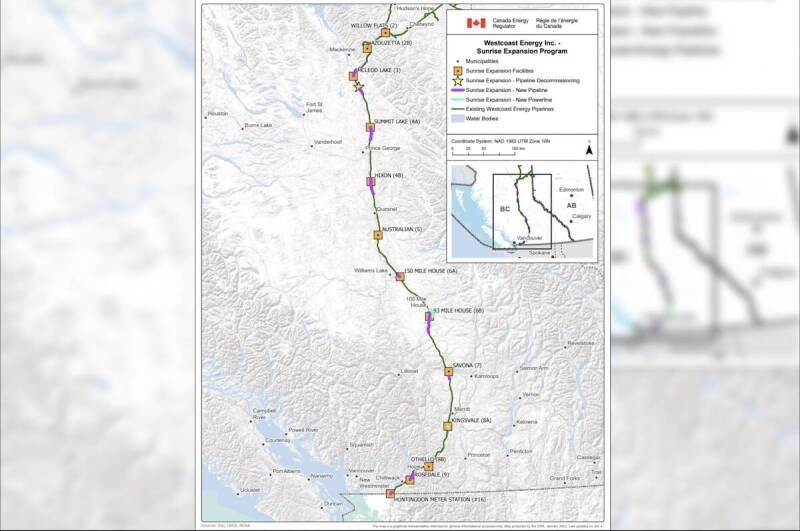
The Canadian federal government has given the green light to a significant expansion of a natural gas pipeline in British Columbia. The project, valued at $4 billion, is jointly owned by Enbridge and a consortium of 38 First Nations groups. This move has significant implications for Canada's energy sector, Indigenous partnerships, and environmental policy.
Details of the Expansion
The expansion project will increase the capacity of the existing pipeline, allowing for the transportation of more natural gas across the province. While specific details of the expansion, such as pipeline length and diameter, weren't explicitly outlined, the $4 billion price tag suggests a substantial undertaking. The involvement of 38 First Nations groups is a crucial aspect, indicating a shift towards greater Indigenous participation and ownership in resource development projects.
Why This News Matters
This announcement is significant for several reasons:
- Economic Impact: The $4 billion investment will create jobs and stimulate economic activity in B.C.
- Energy Security: Increased pipeline capacity will enhance the reliable transportation of natural gas, a key energy source.
- Indigenous Partnerships: The joint ownership model represents a step towards greater Indigenous economic empowerment and self-determination.
- Environmental Considerations: The project raises important questions about the environmental impact of fossil fuel infrastructure, which need careful evaluation.
Our Analysis
In our opinion, the approval of this pipeline expansion is a complex issue with both potential benefits and drawbacks. The economic advantages, particularly for Indigenous communities, are undeniable. The joint ownership model sets a positive precedent for future resource projects, demonstrating the importance of incorporating Indigenous perspectives and fostering meaningful partnerships.
However, the environmental implications cannot be ignored. Expanding natural gas infrastructure contributes to greenhouse gas emissions and could potentially hinder Canada's climate change goals. The government will need to ensure stringent environmental safeguards are in place to minimize the project's impact. The extent to which the natural gas being transported will displace dirtier fuels (such as coal) is also key to determining the overall environmental benefit. If the gas is primarily for export, it has a different implication on climate change.
Future Outlook
The future of this project depends on several factors:
- Regulatory Approvals: The project will likely require further regulatory approvals and permits at both the federal and provincial levels.
- Community Engagement: Ongoing engagement with local communities, including Indigenous groups, is essential to address concerns and ensure the project proceeds in a responsible manner.
- Market Demand: The long-term demand for natural gas will influence the project's success. Factors like the growth of renewable energy and international energy markets will play a significant role.
- Environmental Scrutiny: Increased scrutiny will be placed on minimizing greenhouse gas emissions and any potential for environmental damage along the pipeline route.
Potential Challenges
This project will likely face challenges, including potential opposition from environmental groups, navigating complex regulatory processes, and managing stakeholder relations. Securing financing and ensuring the project remains economically viable in the long term will also be critical.
This Could Impact...
This pipeline expansion could significantly impact several areas:
- Canada's energy mix: Increased availability of natural gas could influence the balance between fossil fuels and renewable energy sources.
- Indigenous economies: The joint ownership model could serve as a template for future resource projects, empowering Indigenous communities and fostering economic development.
- Canada's climate change commitments: The project could either help or hinder Canada's efforts to reduce greenhouse gas emissions, depending on how it is managed and regulated.
Ultimately, the success of this pipeline expansion will depend on a balanced approach that prioritizes economic development, environmental protection, and meaningful engagement with Indigenous communities. The implementation of best-in-class environmental protection measures is key to reducing the negative impacts of the expanded pipeline.