Indonesia's Rooftop Solar: A Key Step Towards Energy Independence
Indonesia is making strides in renewable energy with rooftop solar. Learn about the implications for energy security and the future of solar power in Indonesia.



Indonesia is making strides in renewable energy with rooftop solar. Learn about the implications for energy security and the future of solar power in Indonesia.
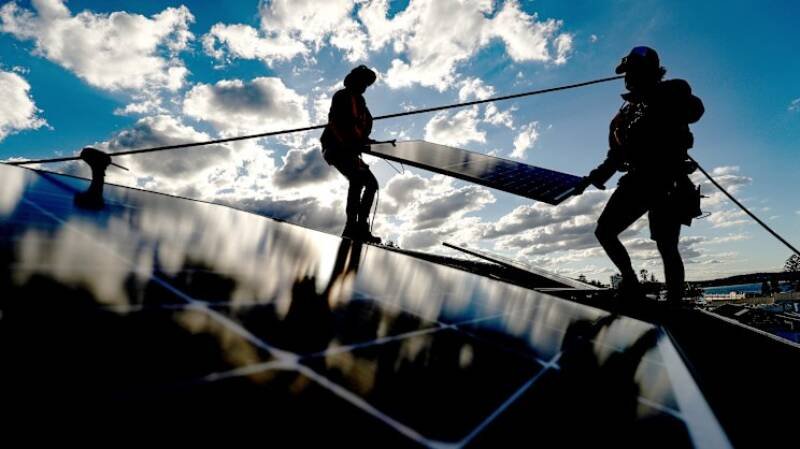
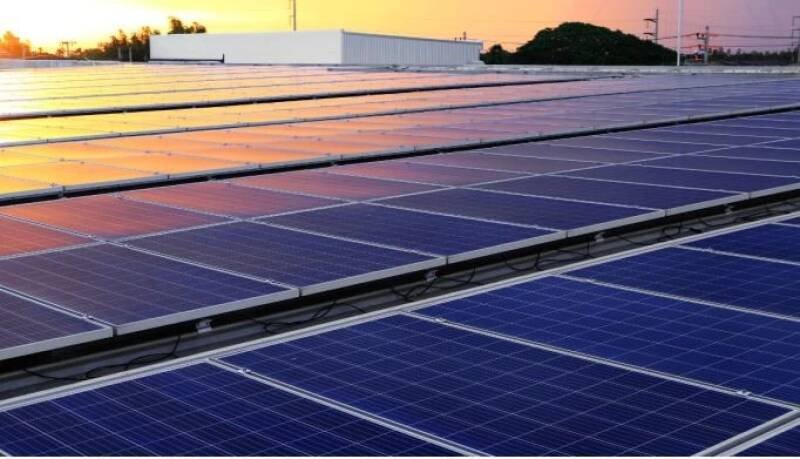
Indonesia is taking significant steps towards a greener future by heavily investing in rooftop solar power. Ahmad Amiruddin, Director of the ministry's Electricity Program Development, recently highlighted the importance of this initiative, stating that it lays the groundwork for Indonesia's ambitious goal of developing 100 GW of solar energy capacity. This is a huge milestone for a nation looking to reduce its dependence on traditional fossil fuels.
Amiruddin emphasized that expanding rooftop solar is more than just installing panels; it's about building a robust energy ecosystem. This includes creating incentives for homeowners and businesses to adopt solar, developing the necessary infrastructure for grid integration, and training skilled workers to install and maintain solar systems. The 100 GW target shows just how serious Indonesia is about leading the way in renewable energy.
Indonesia's shift to rooftop solar is significant for several reasons:
In our opinion, Indonesia's focus on rooftop solar is a smart move. It leverages a readily available resource – sunlight – and empowers individual citizens and businesses to participate in the energy transition. The B50 biofuel initiative, also mentioned, shows a commitment to exploring other renewable options to further reduce their reliance on fossil fuels.
However, there are challenges ahead. Grid stability needs to be ensured as more intermittent renewable energy sources are added. Policies must support the industry and encourage investment from all sectors. Public awareness and education will also be key to driving adoption rates.
The future of solar power in Indonesia looks promising. With government support, technological advancements, and growing public awareness, we expect to see a rapid increase in rooftop solar installations in the coming years. This could impact the electricity market, creating new opportunities for energy providers and consumers alike.
Indonesia is also actively seeking international cooperation to accelerate its energy transition. The partnership with the Republic of Korea (RoK) is a prime example, indicating a commitment to sharing knowledge, technology, and investment in the renewable energy sector. This collaborative approach will be crucial for achieving Indonesia's ambitious goals.
While the potential of rooftop solar in Indonesia is immense, it's essential to acknowledge and address the challenges. These include:
By overcoming these challenges, Indonesia can unlock the full potential of rooftop solar and solidify its position as a leader in renewable energy in Southeast Asia. The government’s strong commitment, coupled with international cooperation, provides a solid foundation for a brighter, more sustainable future.