States Stockpiling Gold: Inflation Hedge or Financial Security?
Why are some US states buying gold bars? We explore the trend, its potential impact, and what it means for the future of state finances and inflation.
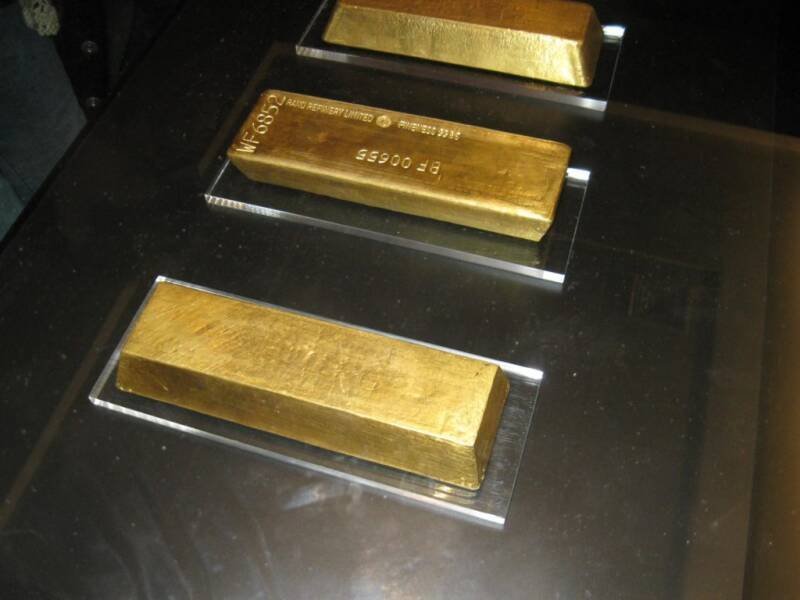



Why are some US states buying gold bars? We explore the trend, its potential impact, and what it means for the future of state finances and inflation.
Across the United States, some state governments are quietly accumulating gold bars. This move, driven by concerns about inflation and the rising national debt, signals a potential shift in how states manage their finances and prepare for economic uncertainty. But what's behind this trend, and what does it mean for you?
Several states, worried about the declining purchasing power of the dollar and the massive amount of federal government spending, are choosing to invest in gold. Gold is traditionally seen as a "safe haven" asset – a store of value that tends to hold its own, or even increase, during times of economic turmoil.
Think of it like this: if the value of your money is going down, you want to hold something that maintains its value. Gold has historically played that role.
This trend is significant because it indicates a lack of confidence, at least at the state level, in the long-term stability of the US dollar and the current economic policies. If state governments, which are generally conservative with taxpayer money, are diversifying into gold, it sends a strong signal about their concerns. This could impact individual investment strategies as well as broader economic trends.
Furthermore, this increased demand for gold from state governments could potentially drive up the price of gold, affecting investors and the overall precious metals market.
In our opinion, this move by states to stockpile gold is a prudent measure to mitigate potential risks associated with inflation and economic instability. While the Federal Reserve is working to control inflation, uncertainty remains. States are essentially hedging their bets, seeking to protect their assets and ensure they can meet their financial obligations even if the economy takes a downturn.
However, it's crucial to remember that gold is not a perfect investment. Its price can be volatile, and it doesn't generate income like stocks or bonds. Still, as a store of value during uncertain times, it can play a vital role in a diversified portfolio – even at the state level.
The future of this trend depends on several factors, including the trajectory of inflation, the Federal Reserve's monetary policy decisions, and the overall health of the US economy. If inflation remains elevated, or if economic uncertainty persists, we could see more states joining the gold rush.
This could impact the gold market positively, increasing prices. Conversely, a significant decrease in inflation and a return to economic stability could reduce the demand for gold, potentially leading to a price correction.
Ultimately, the decision of states to stockpile gold reflects a growing concern about the economic outlook and a desire to protect their financial interests in an increasingly uncertain world. This could impact individual investment strategies in the coming years.
























