Helicopter Crash Near Port McNeill: Weather Blamed, Pilot Error Ruled Out
A Transportation Safety Board of Canada report reveals weather conditions as the primary cause of the 2024 helicopter crash near Port McNeill, ruling out pilot error and equipment malfunctions.
Helicopter Crash Near Port McNeill: Weather Identified as Key Factor
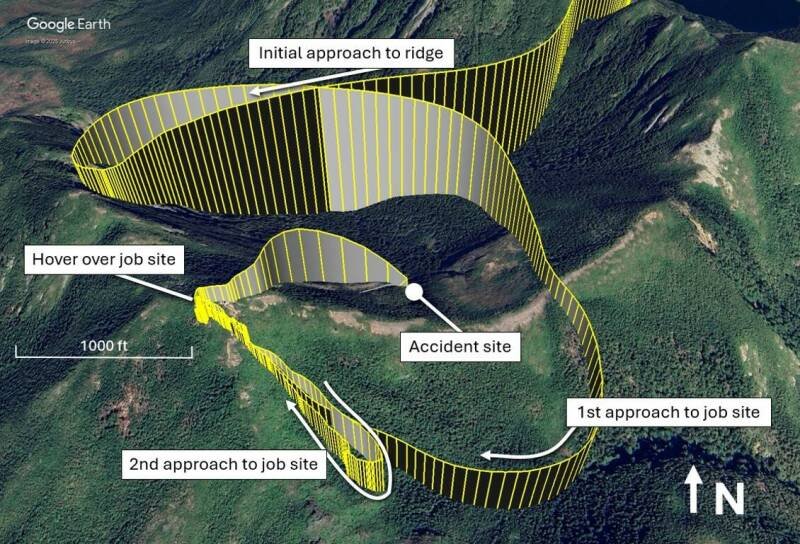
A recent report from the Transportation Safety Board of Canada (TSB) sheds light on the 2024 helicopter crash that occurred near Port McNeill, British Columbia. The investigation concluded that adverse weather conditions were the primary contributing factor, effectively ruling out pilot error or mechanical failure as causes.
The TSB Report: A Closer Look
The TSB's investigation meticulously examined the circumstances surrounding the accident. They analyzed flight data, weather patterns, wreckage, and pilot records to piece together what transpired leading up to the crash. Their findings indicated that the pilot encountered unexpected and challenging weather, ultimately leading to the incident.
Crucially, the report explicitly stated that pilot error and equipment malfunctions were not factors in the crash. This offers a degree of closure and clarity, especially for those connected to the aviation community and the victims affected by this tragedy.
Why This News Matters
Understanding the causes of aviation accidents is paramount for improving safety standards and preventing future incidents. The TSB's findings provide valuable insights that can inform pilot training, weather forecasting, and operational procedures, particularly in regions known for unpredictable weather patterns. Learning from past accidents is the best way to help prevent similar tragedies. In our opinion, increased weather monitoring and pilot training for severe weather conditions are vital.
Our Analysis
The TSB's emphasis on weather conditions highlights the inherent risks associated with flying in challenging environments. While pilots are trained to handle a variety of situations, sudden and severe weather changes can overwhelm even the most experienced aviators. This incident underscores the need for:
- Enhanced weather monitoring and forecasting in areas prone to rapid weather shifts.
- Improved pilot training programs that focus on recognizing and reacting to dangerous weather conditions.
- Stricter operational protocols regarding flight cancellations or route adjustments when adverse weather is anticipated.
It is important to note that the TSB focuses on identifying contributing factors and making safety recommendations. They do not assign blame. The goal is always to improve aviation safety across the board.
Future Outlook
The TSB's recommendations, stemming from this investigation, could impact the future of helicopter operations, particularly in regions like British Columbia with its mountainous terrain and fluctuating weather. We anticipate seeing increased emphasis on:
- Improved Weather Technology: Investments in more advanced weather radar systems and forecasting models tailored to specific geographical regions.
- Enhanced Pilot Training: More rigorous training for pilots on weather-related emergencies, including recognizing microbursts, icing conditions, and sudden wind shear.
- Operational Guidelines: More stringent guidelines for flight planning and execution, with a lower tolerance for operating in marginal weather conditions. This could impact tourism and resource extraction in the area.
Ultimately, this investigation serves as a reminder of the critical role that weather plays in aviation safety. By learning from this incident and implementing the TSB's recommendations, the aviation industry can work towards creating a safer environment for pilots, passengers, and communities alike. This could impact the costs of certain transportation and tourism, but it could also save lives.
While the finding of no pilot error will be a relief to many, the need to mitigate weather as a significant risk factor remains. There is room for improvement in weather forecasts and in the training of pilots regarding adverse weather.