Enbridge Pipeline Expansion: $4 Billion Investment in B.C. - Analysis and Outlook
The Canadian federal government approves a $4 billion expansion of the Enbridge natural gas pipeline in British Columbia. Learn about the project's implications, First Nations involvement, and future outlook.
Feds Approve $4 Billion Natural Gas Pipeline Expansion in B.C.
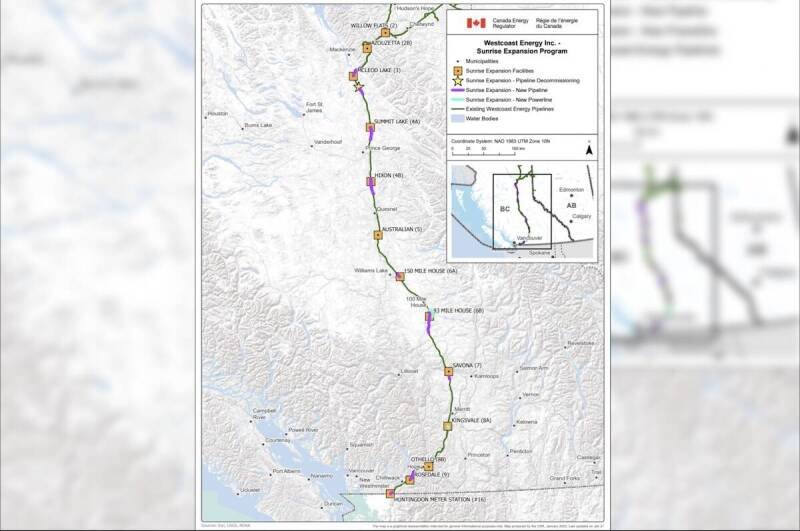
The Canadian federal government has announced a $4 billion expansion of a natural gas pipeline in British Columbia (B.C.). This significant project is owned by Enbridge in partnership with 38 First Nations groups. The expansion aims to increase the capacity of the existing pipeline, facilitating the transportation of natural gas to various markets.
What the Project Entails
This project involves adding new sections to the existing pipeline network, upgrading existing infrastructure, and potentially constructing new compressor stations. The goal is to significantly boost the volume of natural gas that can be transported through the system. This expansion is designed to meet growing demand for natural gas, both domestically and internationally.
Why This News Matters
This announcement is important for several reasons. Firstly, it represents a substantial investment in Canadian energy infrastructure. Secondly, it highlights the increasing role of First Nations communities in resource development projects. Finally, the expansion of natural gas capacity could have significant implications for Canada's energy security and its ability to export natural resources.
Our Analysis
The federal government's approval signals a continued commitment to supporting the natural gas industry. This decision likely reflects a balance between economic considerations and environmental concerns. The involvement of 38 First Nations groups is particularly noteworthy, suggesting a move towards greater Indigenous participation and benefit-sharing in resource projects. In our opinion, the success of this project hinges on effective collaboration between Enbridge, the First Nations partners, and regulatory bodies.
However, it's crucial to acknowledge the environmental implications. Expanding natural gas infrastructure contributes to greenhouse gas emissions, both directly through leaks and indirectly by supporting the combustion of fossil fuels. This could impact Canada's ability to meet its climate change targets. A thorough environmental review and mitigation plan are therefore essential.
First Nations Partnership: A Key Component
The equity stake held by 38 First Nations groups is a defining characteristic of this project. This ownership stake provides an opportunity for these communities to directly benefit from the economic activity generated by the pipeline. It also grants them a greater voice in the management and operation of the infrastructure, promoting responsible and sustainable development. This approach, in our opinion, sets a positive precedent for future resource projects in Canada.
Future Outlook
The future of this project and its impact on B.C.'s economy and environment remains to be seen. Several factors could influence its trajectory:
- Regulatory Approvals: The project will require numerous regulatory approvals, which could be subject to delays or modifications based on environmental and social impact assessments.
- Market Demand: The demand for natural gas will play a crucial role in determining the project's long-term viability. Fluctuations in global energy markets could affect its profitability.
- Environmental Opposition: Continued opposition from environmental groups could lead to legal challenges and public protests.
- Technological Advancements: Innovations in renewable energy technologies could reduce the reliance on natural gas in the long term.
Ultimately, the success of this pipeline expansion will depend on responsible management, transparent communication, and a commitment to mitigating its environmental impact. This project could impact British Columbia's energy landscape for decades to come.