Oil Prices Surge Above $100: Understanding the Iranian Conflict's Impact
Oil prices jump past $100 amid Iranian conflict. This article breaks down the market impact, future outlook, and provides expert analysis.
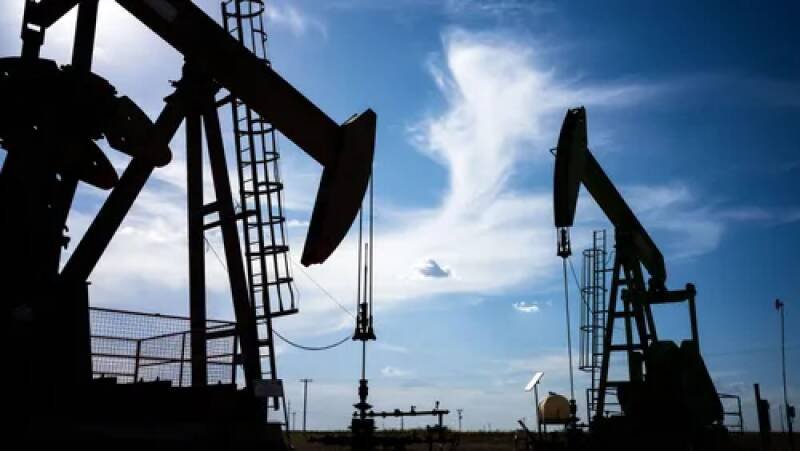



Oil prices jump past $100 amid Iranian conflict. This article breaks down the market impact, future outlook, and provides expert analysis.
Global oil prices have spiked, soaring above $100 a barrel, as tensions surrounding the Iranian conflict disrupt energy markets. This surge has sent ripples throughout the global economy, forcing investors and consumers alike to grapple with the potential consequences.
The primary driver behind this surge is the increased geopolitical risk stemming from the Iranian conflict. Any disruption to oil supply from major producing regions like the Middle East inevitably leads to higher prices. Traders fear potential disruptions to oil tankers passing through critical waterways and a general destabilization of the region's energy infrastructure.
Rising oil prices have far-reaching implications. They impact:
In short, this situation affects everyone. Higher energy costs translate into higher costs of living and doing business, impacting global economic growth.
The market reaction is understandable. Traders are pricing in the uncertainty and potential for further escalation. However, in our opinion, the long-term impact will depend on the duration and intensity of the conflict. A prolonged and widespread conflict could lead to significantly higher oil prices and a global recession. A swift resolution, while unlikely, would likely see prices stabilize and potentially decline.
What we're seeing now is a combination of fear-driven speculation and genuine concern about supply disruptions. The extent to which these fears materialize will dictate the future trajectory of oil prices.
The stock market is experiencing volatility as investors react to the rising oil prices. Energy stocks are generally performing well, while sectors heavily reliant on transportation and consumer spending are facing headwinds. This could impact investor sentiment and lead to a broader market correction if the situation worsens.
Predicting the future is always difficult, but here are some potential scenarios:
This crisis highlights the importance of diversifying energy sources and investing in renewable energy technologies. While the short-term focus is on managing the current situation, this could accelerate the long-term transition to a more sustainable energy future. This could impact government policy and investment strategies, favoring renewable energy projects and reducing reliance on fossil fuels.
The conflict in Iran serves as a stark reminder of the interconnectedness of global politics and economics. Navigating this volatile environment requires a careful understanding of the risks and opportunities, and a willingness to adapt to changing circumstances. This could impact the decisions of individuals and businesses around the world.