Helicopter Crash Near Port McNeill: Weather Blamed, No Pilot Error
A Transportation Safety Board report reveals weather conditions were the primary cause of the 2024 helicopter crash near Port McNeill, ruling out pilot error and equipment malfunction. Learn why this matters and the potential impact.
Helicopter Crash Near Port McNeill: Weather Conditions Deemed Primary Cause
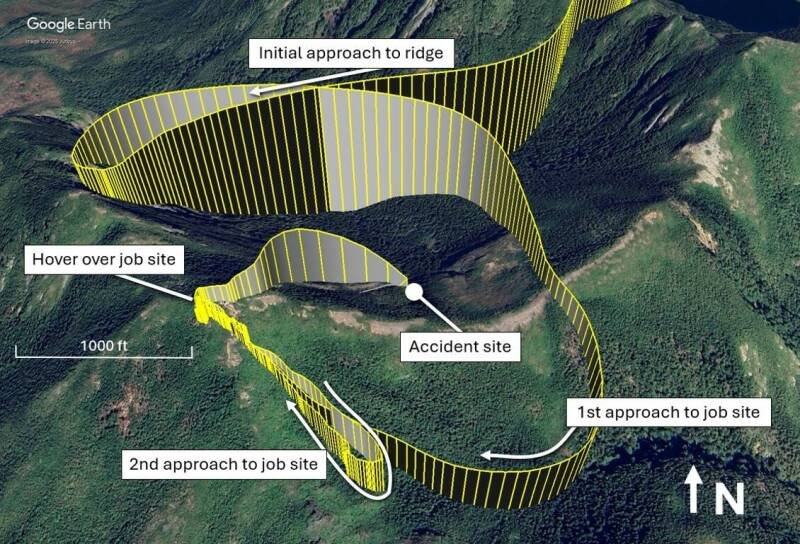
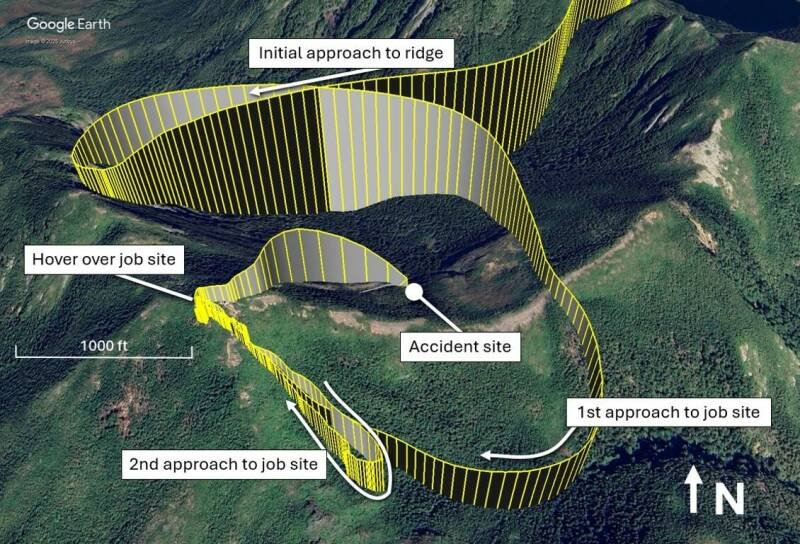
A recent report by the Transportation Safety Board of Canada (TSB) has shed light on the 2024 helicopter crash that occurred near Port McNeill. The investigation has concluded that adverse weather conditions were the primary contributing factor, definitively ruling out both pilot error and any mechanical malfunctions as the cause of the accident.
TSB Report Findings
The TSB's investigation involved a thorough examination of the helicopter's wreckage, flight data, weather records, and pilot qualifications. Investigators meticulously analyzed the circumstances surrounding the crash, leaving no stone unturned in their pursuit of determining the root cause.
The report highlights that the weather conditions at the time of the flight were rapidly deteriorating. The helicopter likely encountered a sudden and unexpected shift in wind direction and velocity, leading to a loss of control that unfortunately resulted in the crash. This event emphasizes the dangers associated with unpredictable weather, particularly in mountainous regions like the area surrounding Port McNeill.
What Was Ruled Out
Crucially, the TSB report explicitly states that pilot error was not a contributing factor. The pilot was deemed to be experienced and qualified, and there was no evidence to suggest any negligence or error in judgment on their part. Similarly, the investigation found no evidence of any pre-existing mechanical issues with the helicopter that could have contributed to the crash. This determination provides a sense of closure for those who were concerned about the operational integrity of the aircraft.
Why This News Matters
This report is significant for several reasons. Firstly, it provides clarity and closure for the families and loved ones affected by the crash. Knowing that the incident wasn't due to pilot error or equipment failure can provide some small measure of comfort. Secondly, the findings underscore the ever-present dangers of flying in unpredictable weather conditions. It serves as a reminder to all pilots to exercise extreme caution and to thoroughly assess weather conditions before and during flights, especially in areas known for rapidly changing weather patterns. This could impact training standards and weather reporting in the area.
Our Analysis
In our opinion, the TSB's thorough investigation has provided a valuable lesson for the aviation community. While technology and pilot skill are crucial, the unpredictable nature of weather remains a significant threat. This report should prompt a reevaluation of weather forecasting and reporting procedures, particularly in regions known for their challenging and volatile weather patterns. Furthermore, enhanced training programs that emphasize decision-making in adverse weather conditions are vital to improving aviation safety. It is important to emphasize the TSB's commitment to meticulous investigation, a factor that helps ensure continuous improvement in aviation safety protocols.
Areas for Improvement
- Improved weather forecasting and reporting in mountainous regions.
- Enhanced pilot training on handling unexpected weather changes.
- Promoting a culture of safety that prioritizes caution and risk assessment.
Future Outlook
Moving forward, it is imperative that the aviation industry learns from this tragedy. We anticipate that the TSB's recommendations will lead to improvements in weather forecasting, pilot training, and overall aviation safety. In our opinion, technology could play a key role in enhancing weather monitoring and providing real-time updates to pilots. The increased use of drones and sensors to track weather patterns in remote areas could significantly improve safety outcomes.
This event could impact the future of helicopter operations, particularly in areas with similar geographic and climatic conditions. Expect to see stricter regulations and a heightened emphasis on risk management. Ultimately, the goal is to prevent similar tragedies from occurring in the future by implementing proactive measures and fostering a culture of continuous improvement within the aviation community. The aviation industry needs to be more transparent and communicate changes effectively. If they do not, incidents may increase due to poor pilot or dispatcher decisions.