Enbridge Pipeline Expansion: $4 Billion Investment and Indigenous Partnership Explained
The Canadian government approves a $4 billion natural gas pipeline expansion in B.C., owned by Enbridge and 38 First Nations. Learn about the project, its impact, and future implications.
Feds Approve $4 Billion Natural Gas Pipeline Expansion in B.C.
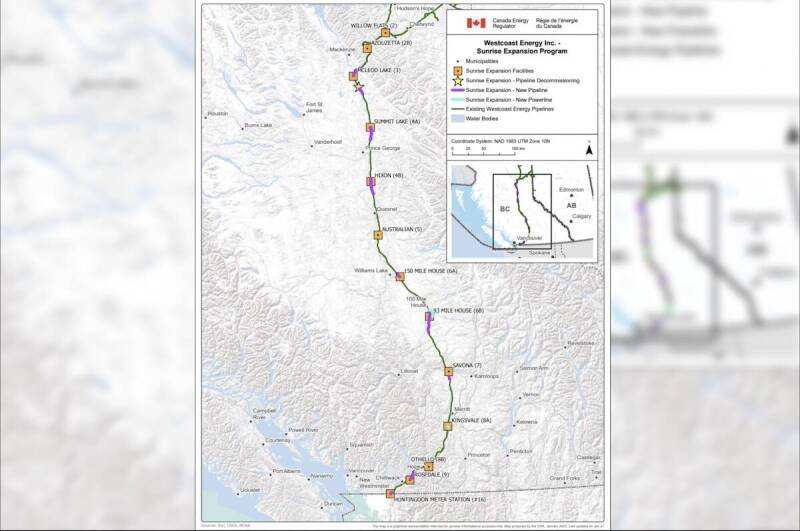
The Canadian federal government has given the green light to a massive $4 billion expansion of a natural gas pipeline in British Columbia (B.C.). This project is jointly owned by Enbridge, a major energy company, and a consortium of 38 First Nations groups. This marks a significant development in Canada's energy sector, balancing economic growth with Indigenous participation.
Project Details
The expansion project aims to increase the capacity of an existing natural gas pipeline, allowing for greater transportation of natural gas resources. While specific details of the expansion, such as the exact route and new infrastructure components, haven't been broadly publicized in the initial announcement, the significant investment size implies substantial upgrades and additions to the existing system.
Why This News Matters
This pipeline expansion is important for several reasons:
- Economic Growth: The $4 billion investment will create jobs during construction and boost the regional economy.
- Energy Security: Increased pipeline capacity helps ensure a reliable supply of natural gas for domestic use and potentially for export.
- Indigenous Partnership: The involvement of 38 First Nations groups represents a significant step towards economic reconciliation and shared prosperity.
- Environmental Concerns: The expansion also raises environmental considerations, particularly regarding potential impacts on sensitive ecosystems and greenhouse gas emissions.
Our Analysis
In our opinion, this project highlights the complex balancing act between economic development, Indigenous rights, and environmental responsibility. The participation of First Nations as equity partners is a positive development, offering them a stake in the project's success and potentially greater influence over its environmental management.
However, the environmental implications cannot be ignored. Increased natural gas transportation inevitably leads to increased greenhouse gas emissions, which could hinder Canada's efforts to meet its climate change targets. Stringent environmental safeguards and mitigation measures are crucial to minimize the project's impact.
Potential Challenges
Several potential challenges could arise:
- Environmental Opposition: The project may face opposition from environmental groups concerned about its impact on ecosystems and climate change.
- Construction Delays: Large infrastructure projects are often prone to delays due to unforeseen challenges, regulatory hurdles, or weather conditions.
- Commodity Price Fluctuations: The profitability of the pipeline expansion could be affected by fluctuations in natural gas prices.
Future Outlook
The future of this pipeline expansion will depend on several factors. Successful completion of the project, adherence to environmental regulations, and continued collaboration between Enbridge and the First Nations partners will be key to its long-term success.
This could impact Canada's energy landscape by providing increased access to natural gas, potentially stimulating economic activity. It also sets a precedent for future infrastructure projects involving Indigenous communities, demonstrating the potential for mutually beneficial partnerships. However, the environmental consequences will need to be carefully monitored and addressed to ensure sustainable development.
Looking ahead, expect increased scrutiny on the environmental performance of the pipeline and ongoing dialogue between stakeholders regarding the balance between economic benefits and environmental protection. The success of this project could serve as a model for future energy infrastructure developments across Canada and beyond.