Enbridge Pipeline Expansion: What It Means for Canada and First Nations
The Canadian government approves a $4 billion natural gas pipeline expansion in British Columbia. Explore the potential impacts, benefits for First Nations, and future implications.
Feds Approve $4 Billion Natural Gas Pipeline Expansion in B.C.
The Canadian government has given the green light to a significant expansion of a natural gas pipeline in British Columbia, with a price tag of $4 billion. The project is owned by Enbridge and, crucially, 38 First Nations groups, marking a significant step towards Indigenous ownership and participation in energy infrastructure.
What's the Project About?
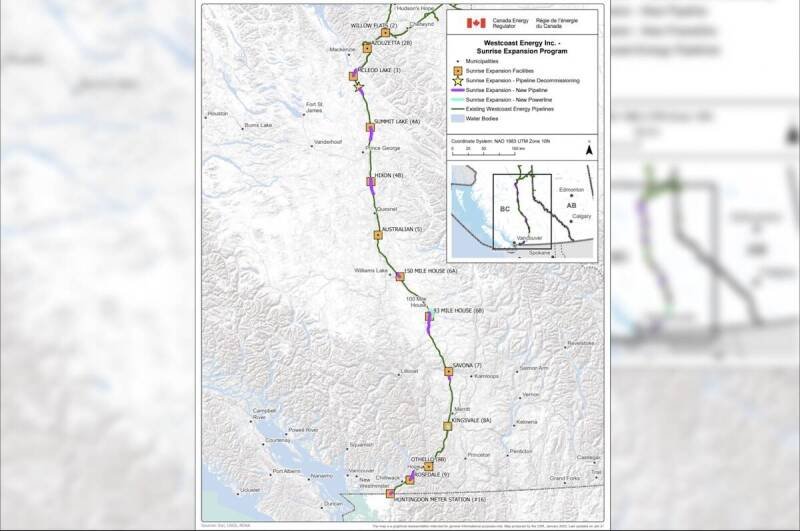
This expansion aims to increase the capacity of existing natural gas pipelines in B.C., facilitating the transportation of gas to meet growing energy demands. While the specific details of the expansion, such as the increase in capacity, weren't detailed in the initial announcement, it's understood that this project is linked to supplying natural gas for liquified natural gas (LNG) export facilities on the coast.
Why This News Matters
This announcement is important for several reasons:
- Economic Impact: A $4 billion investment represents a substantial boost to the B.C. economy, creating jobs during construction and potentially long-term economic opportunities related to natural gas production and export.
- First Nations Partnership: The ownership stake of 38 First Nations groups highlights a growing trend towards Indigenous communities benefiting directly from resource development on their traditional territories. This is a critical aspect of reconciliation.
- Energy Security: Expanding natural gas infrastructure could contribute to Canada's energy security and its ability to supply global markets with LNG.
- Environmental Considerations: It is important to note that the approval of any fossil fuel infrastructure project comes with environmental concerns that need careful consideration and mitigation. The long-term effects on emissions and ecosystems must be continuously assessed.
Our Analysis
In our opinion, this decision reflects a complex balancing act between economic development, Indigenous rights, and environmental concerns. The inclusion of First Nations as equity partners is a significant positive development, setting a precedent for future projects. However, the environmental implications of increased natural gas production and consumption cannot be ignored. The federal government has likely taken into consideration all relevant environmental studies, but constant monitoring will be important to see if the expansion complies with stringent climate goals.
The involvement of First Nations is more than just a financial transaction; it's about self-determination and shared prosperity. This could impact how future energy projects are developed and approved in Canada, forcing greater collaboration between industry, government, and Indigenous communities.
Future Outlook
Project Timeline and Execution
The next steps will involve detailed engineering plans, regulatory approvals (beyond the initial green light), and securing financing. The construction phase will likely take several years. Careful project management will be crucial to avoid cost overruns and delays.
Environmental Monitoring and Mitigation
Environmental monitoring will be vital throughout the project's lifecycle. This includes assessing impacts on water quality, air quality, and wildlife habitats. Mitigation strategies, such as carbon capture and storage, may need to be implemented to reduce the project's carbon footprint.
LNG Export and Global Energy Markets
The expanded pipeline will likely contribute to Canada's ability to export LNG to global markets, particularly to countries seeking alternatives to Russian gas. This could have geopolitical implications, strengthening Canada's role as a reliable energy supplier.
Ongoing Dialogue and Reconciliation
Sustained dialogue and collaboration between Enbridge, First Nations, and the government will be essential to ensure the project benefits all stakeholders and respects Indigenous rights. This expansion presents an opportunity to demonstrate how resource development can be done in a way that promotes reconciliation and sustainable development.
Ultimately, the success of this project will depend on striking a balance between economic benefits, environmental responsibility, and the meaningful inclusion of First Nations communities. This is a complex challenge, but one that Canada must address to build a sustainable energy future.