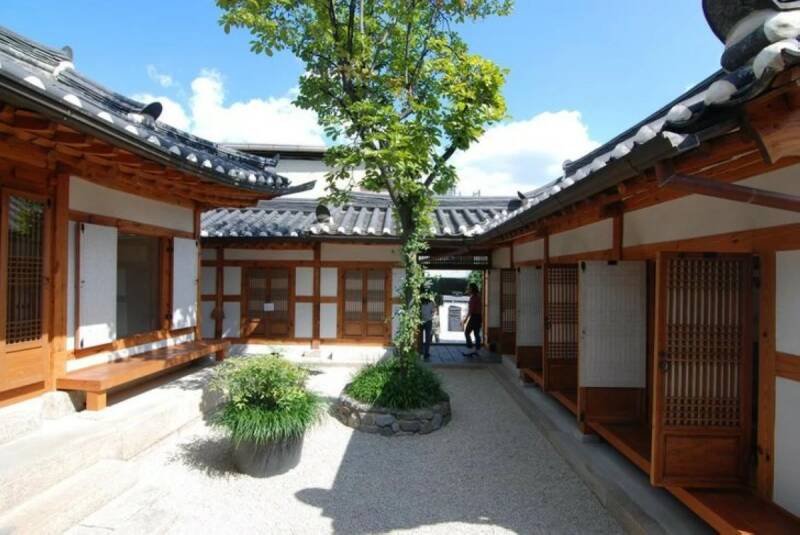
Discovering Tranquility: Exploring Traditional Korean Houses (Hanok)
Escape the city buzz! Explore beautiful & historic Korean houses (Hanok) for FREE or affordably. Discover Seoul's hidden gems & countryside treasures. Plan your tranquil getaway today!
Discovering Tranquility: Exploring Traditional Korean Houses (Hanok)
Discovering Tranquility: Exploring Traditional Korean Houses (Hanok)
In today's fast-paced world, finding moments of peace and affordable escapes is more important than ever. Luckily, South Korea offers a wealth of opportunities to step back in time and immerse yourself in the beauty of traditional Korean houses, known as Hanok. These historical dwellings offer a unique glimpse into Korea's rich cultural heritage, providing a tranquil haven from the hustle and bustle of modern life.
Seoul's Hidden Hanok Gems
Seochon, located in the heart of Seoul, has emerged as a popular destination for day trips. Its atmospheric streets are lined with beautifully preserved Hanok, inviting visitors to explore a neighborhood steeped in history. The Hong Geon-ik House and the Yi Sang-beom House are standout examples, offering free access to the serenity and architectural elegance of traditional Korean homes.
In the Jongno district, Gye-dong offers another gem: the former residence of artist Bae Ryeom. This Hanok, a classic example of Seoul's city-style architecture, was converted into a public space in 2017. Managed by the prestigious Hongik University, known for its art and design programs, the house now hosts small-scale exhibitions and cultural events.
A Blend of Eras: The Baek In-je House
Not far from Gye-dong, in Gahoe-dong, stands the Baek In-je House. Built in 1913, this Hanok showcases a fascinating blend of traditional Korean design with Western and Japanese architectural influences, reflecting the complexities of its time. One of its most unusual features is a corridor connecting the inner quarters and guest rooms, allowing seamless movement without needing to go through the courtyard. The two-story guest room, complete with tatami flooring and Japanese-style windows, hints at the building's history. Originally owned by Han Sang-ryong, nephew of a pro-Japanese collaborator, the house later passed into the hands of Baek In-je, the founder of Paik Hospital, before being acquired by the Seoul city government.
Venturing Beyond Seoul: Myeongjae House and Chusa Historic House
Beyond Seoul, in Nonsan (South Chungcheong Province), lies Myeongjae House, a prime example of an aristocratic residence from the Joseon era. Built in the 17th century by disciples of scholar Yoon Jeung, the house faces south and boasts a square pond in the traditional style. The extensive collection of earthenware jars adds to the visual appeal, making it a popular spot for photography enthusiasts.
In Yesan, also in South Chungcheong Province, the Chusa Historic House awaits. This was the former home of Kim Jeong-hui, a renowned Joseon-era philosopher and artist known as Chusa. The house was originally granted to his great-grandfather and features tall gates that hint at its former grandeur. Inside, wooden pillar plaques showcasing Chusa's calligraphy are a testament to his artistic legacy. Visitors can also participate in traditional activities such as tea etiquette and fan making.
Why This News Matters
This news is important because it highlights the growing accessibility of cultural tourism in South Korea. By showcasing both free and affordable options for exploring Hanok, it encourages a wider audience to engage with the country's rich heritage. This can foster a deeper appreciation for Korean culture and promote sustainable tourism practices.
Our Analysis
In our opinion, the increasing demand for affordable and accessible cultural experiences is a positive trend. The efforts to preserve and open these historic houses to the public are commendable. It's particularly interesting to see how Hanok architecture adapted over time, incorporating external influences while maintaining its unique charm. The Baek In-je House serves as a poignant reminder of the historical complexities that shaped Korea.
The Importance of Preservation
The preservation of these houses is crucial. They are not just buildings; they are tangible links to the past. They tell stories of families, scholars, and artists, providing invaluable insights into Korean history and culture. By making them accessible to the public, we can ensure that these stories continue to be told and appreciated by future generations.
Future Outlook
This trend of promoting Hanok and cultural tourism is likely to continue. This could impact the tourism industry positively, drawing more visitors to South Korea. We anticipate further investment in the preservation and restoration of historical sites, along with the development of new cultural programs and experiences. The challenge will be to manage this growth sustainably, ensuring that these precious cultural assets are protected for generations to come. In the future, we hope to see more augmented reality experiences added to educate younger generations as they visit these historic houses.