Workplace Harassment Laws in India: Are They Working? The TCS Nashik Case
The TCS Nashik case highlights concerns about the effectiveness of POSH laws in India. Are corporations truly protecting employees or just meeting compliance requirements? We analyze the issue.
Charcha Time: POSH Or Not? Is Corporate India Failing Its Own Safety Laws?
The recent controversy surrounding Tata Consultancy Services (TCS) in Nashik has reignited a critical debate: Are India's workplace harassment laws, specifically the Prevention of Sexual Harassment (POSH) Act, truly protecting employees? Or are companies simply going through the motions to meet compliance requirements without creating genuinely safe and supportive environments?
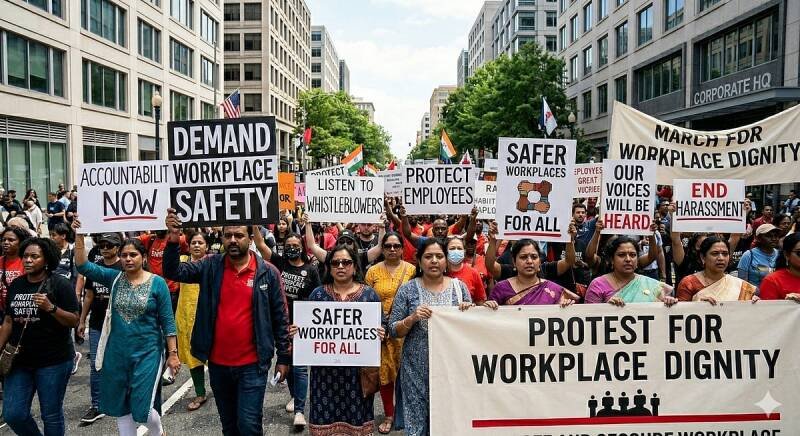
The TCS Nashik situation has raised serious questions about the effectiveness of the POSH Act and the mechanisms in place for employees to report harassment without fear of reprisal. Experts are pointing to potential weaknesses in whistleblower systems and significant accountability gaps within corporate hierarchies.
The Core Issue: Compliance vs. Culture
The heart of the problem appears to be a disconnect between legal compliance and genuine cultural change. Many companies may have policies and procedures in place to satisfy legal requirements, but lack a deeply ingrained culture of respect, inclusivity, and psychological safety.
This means that employees might be hesitant to report incidents of harassment, fearing negative consequences for their careers or even outright retaliation. A strong POSH framework isn't just about having a policy; it's about creating an environment where employees feel empowered to speak up and confident that their concerns will be taken seriously.
Why This News Matters
The effectiveness of POSH laws affects every working professional in India. If these laws aren't functioning as intended, it creates a hostile work environment, impacting employee well-being, productivity, and career advancement. It also undermines the principles of gender equality and inclusivity in the workplace. The TCS Nashik case is a microcosm of a larger issue, highlighting systemic problems that need to be addressed across corporate India. Failure to address this can create a culture of fear and silence, allowing harassment to persist unchecked.
Our Analysis
In our opinion, the TCS Nashik situation underscores the need for a fundamental shift in how companies approach POSH compliance. It's not enough to simply tick boxes and create superficial policies. Companies need to actively cultivate a culture of respect and accountability, where employees feel safe to report harassment without fear of reprisal.
The effectiveness of whistleblower mechanisms is also crucial. These systems must be independent, confidential, and readily accessible to all employees. Investigations need to be thorough, impartial, and timely. Furthermore, there needs to be clear accountability for those who engage in harassment and for those who fail to address it effectively. This could impact how companies are perceived by potential employees and investors who value ethical and inclusive workplaces.
Key Areas of Concern:
- Weak Whistleblower Protection: Employees fear reporting due to potential retaliation.
- Lack of Accountability: Perpetrators and those who enable harassment often face inadequate consequences.
- Compliance-Driven Approach: Companies focus on meeting legal requirements rather than fostering a safe culture.
- Inadequate Training: Insufficient training on POSH policies and harassment prevention.
Future Outlook
The TCS Nashik case serves as a wake-up call for corporate India. We believe that increased scrutiny from regulatory bodies, coupled with growing awareness among employees, will drive companies to take POSH compliance more seriously. This will require investing in robust whistleblower systems, providing comprehensive training, and establishing clear lines of accountability.
In the future, we expect to see a greater emphasis on building a culture of respect and inclusivity within organizations. Companies that prioritize employee safety and well-being will likely attract and retain top talent, while those that fail to address these issues will face reputational damage and legal consequences. This could lead to a significant shift in corporate culture, with more emphasis on employee well-being and ethical conduct.