California Voter ID Proposal: What It Means for Elections
A Republican-backed voter ID proposal is heading to the California ballot. Learn what it entails, why it matters, and its potential impact on future elections.
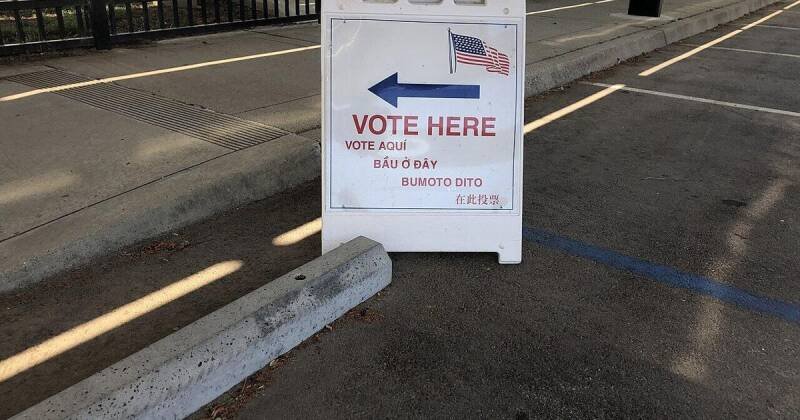



A Republican-backed voter ID proposal is heading to the California ballot. Learn what it entails, why it matters, and its potential impact on future elections.
California, a state known for its deep blue political leanings, is set to face a potentially significant shift in its voting procedures. A voter ID proposal, backed by the Republican Party, has successfully made its way onto the ballot. This proposal seeks to introduce mandatory identification requirements for all voters, both at polling places and for mail-in ballots.
The proposed law mandates that voters present a valid form of identification when voting in person at a polling station. Furthermore, those voting by mail would be required to provide an ID number along with their ballot submission.
This proposal is significant for several reasons:
In our opinion, this voter ID proposal is likely to be met with fierce opposition from the Democratic Party and various civil rights organizations. They will likely argue that it is a thinly veiled attempt to suppress voter turnout, particularly among demographics that tend to vote Democratic. Arguments will likely center on accessibility and potential disenfranchisement.
Conversely, supporters of the measure will likely emphasize the importance of election security and preventing voter fraud, despite the lack of widespread evidence of such fraud in California. They might argue that requiring identification is a common-sense measure to ensure the integrity of the electoral process.
The real challenge lies in balancing the need for secure and fair elections with ensuring that every eligible citizen has easy and equitable access to the ballot box. The question is whether this proposal achieves that balance.
Proponents argue this could lead to:
Opponents fear this will lead to:
The fate of this voter ID proposal now rests in the hands of California voters. The upcoming election will be a crucial test of public sentiment on this contentious issue. We anticipate a highly polarized campaign, with both sides investing significant resources to sway voters.
This could impact the composition of future electorates and potentially shift the political landscape in California. Regardless of the outcome, the debate surrounding voter ID laws is likely to continue shaping the national conversation on election integrity and voting rights. A close result could trigger legal challenges and further prolong the uncertainty surrounding election procedures in the state.
Ultimately, the long-term effects of this proposal, should it pass, will depend on its implementation and the degree to which it affects voter turnout across different demographic groups. It's a situation worth monitoring closely in the coming years.