Ganja Peddler Arrested in Anantapur: Impact and Analysis
Police in Anantapur arrest an inter-state ganja peddler, seizing contraband, a car, and phones. We analyze the implications and future outlook.
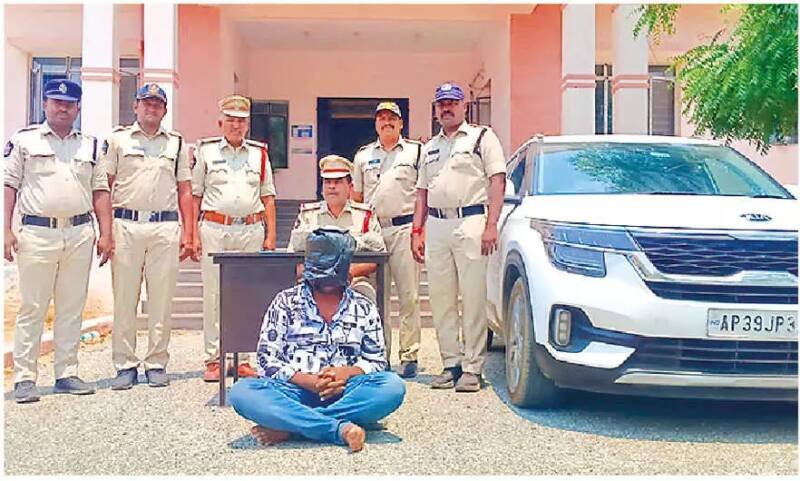



Police in Anantapur arrest an inter-state ganja peddler, seizing contraband, a car, and phones. We analyze the implications and future outlook.
Police in Anantapur, Andhra Pradesh, have arrested an individual involved in inter-state ganja (marijuana) trafficking. The arrest resulted in the seizure of 1.5 kg of ganja, a car, and three mobile phones. The total value of the seized items is estimated at Rs 16.3 lakh.
According to Kuderu CI G Raju, the arrest was made as part of ongoing efforts to combat drug trafficking in the region. While specific details of the arrest are scarce in the initial report, it signifies a continued focus on disrupting the supply chains of illegal substances.
This arrest is significant for several reasons. Firstly, it highlights the ongoing problem of drug trafficking in Andhra Pradesh and neighboring states. The fact that the individual was involved in "inter-state" activity suggests a larger network at play. Secondly, it demonstrates the commitment of the local police force to tackling this issue. Every arrest, even for relatively small quantities like 1.5 kg, can disrupt larger operations.
Finally, the estimated value of the seized items (Rs 16.3 lakh) gives some indication of the profitability of this illicit trade. This profitability is a major driver for individuals to engage in drug trafficking, despite the significant risks involved.
In our opinion, while this arrest is a positive development, it's crucial to understand it within a broader context. The seizure of 1.5 kg of ganja suggests this individual was likely a mid-level player, perhaps a distributor rather than a large-scale importer or producer. Disrupting these mid-level operators can create temporary setbacks for the larger networks, but ultimately, the root causes of drug trafficking need to be addressed.
These root causes often include poverty, lack of economic opportunities, and demand from consumers. Simply arresting individuals will not solve the problem. A more comprehensive approach is needed, involving education, rehabilitation programs, and measures to reduce demand.
The seizure of three mobile phones is particularly interesting. These devices likely contain crucial information about the individual's contacts, suppliers, and distribution networks. Analyzing this data could lead to further arrests and a better understanding of the larger trafficking operation. It's likely the police will be heavily focusing on this aspect during the investigation.
Looking ahead, we anticipate that police in Anantapur and other districts will continue to prioritize combating drug trafficking. This arrest likely signals increased surveillance and enforcement efforts. This could impact the availability of ganja and other narcotics in the short term, potentially driving up prices. However, without addressing the underlying issues of supply and demand, the problem will likely persist.
In the long term, a collaborative approach involving law enforcement, social services, and community organizations is essential to tackle drug trafficking effectively. Furthermore, strengthening border controls and cooperation with neighboring states is crucial to prevent the movement of illegal substances across state lines. This arrest underscores the need for continued vigilance and a multi-faceted approach to combatting drug-related crime. This could encourage neighboring districts to be more proactive in their approach to controlling the drug trade.