Blue Badge Parking Dispute: Understanding the Rights and Responsibilities
A Blue Badge holder received a passive-aggressive note about parking. We delve into the rights of Blue Badge holders, neighborly etiquette, and why understanding parking rules is crucial.
Blue Badge Parking Dispute: A Case of Misunderstanding?
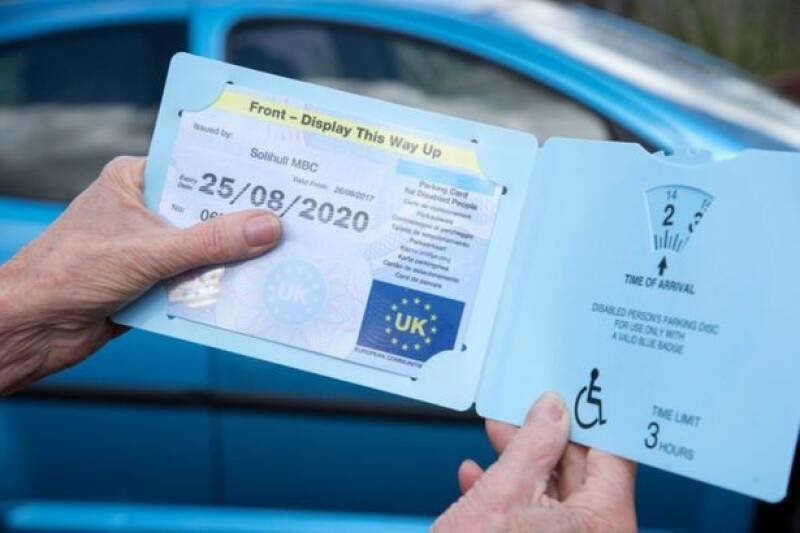
A recent incident highlights the ongoing challenges and misunderstandings surrounding Blue Badge parking. A motorist with a valid Blue Badge, a parking permit for people with disabilities in the UK, received a passive-aggressive note from a neighbor after parking two doors down from their residence. The driver stated that this location was "the only possible space" available at the time.
What Happened?
According to reports, the Blue Badge holder parked a short distance from their home due to limited parking availability. This seemingly reasonable action sparked a negative reaction from a neighbor, who left a note expressing their disapproval. The specific content of the note hasn't been fully revealed, but the implication is that the neighbor felt the Blue Badge holder was parking too far from their own property, despite it being a legitimate parking spot.
Understanding Blue Badge Rights
It's crucial to understand what rights a Blue Badge actually confers. The Blue Badge scheme is designed to help people with severe mobility problems to park closer to where they need to go. It's not a blanket entitlement to park wherever someone wants, but rather provides concessions within the legal parking framework.
Key Rights of Blue Badge Holders:
- On-Street Parking: Blue Badge holders can often park on single or double yellow lines for up to three hours (except where there is a loading ban).
- Designated Bays: They can park in disabled parking bays, which are wider and closer to amenities.
- Time Limits: Some parking restrictions may be lifted or extended.
- Local Variations: It's important to note that specific rules can vary between local authorities, so checking local guidelines is always advisable.
Why This News Matters
This incident shines a light on a broader issue: a lack of understanding and empathy surrounding disability and accessibility needs. It highlights the potential for conflict when parking spaces are limited and neighbors have differing expectations. It also underlines the importance of knowing your rights (and the rights of others) when it comes to parking regulations.
Our Analysis
In our opinion, the neighbor's reaction, while perhaps born out of frustration, was misdirected. Assuming the Blue Badge holder was parked legally, they were exercising their right to accessible parking. Communication and understanding are always preferable to passive-aggressive notes. This highlights the need for greater awareness campaigns to educate the public on the purpose and benefits of the Blue Badge scheme.
It's easy to jump to conclusions when resources like parking spaces are scarce. Before reacting negatively, consider that someone with a Blue Badge likely faces daily challenges that are not always visible. A little empathy can go a long way.
Future Outlook
This type of incident is likely to continue as urban areas become more densely populated and parking remains a premium. Moving forward, several things need to happen:
- Increased Public Awareness: Continued education about the Blue Badge scheme and disability rights is essential.
- Improved Parking Enforcement: Local authorities need to ensure that disabled parking bays are properly enforced and not misused by unauthorized vehicles.
- Community Dialogue: Fostering open communication and understanding between neighbors can help prevent similar disputes.
- Accessible City Planning: Urban planning needs to prioritize accessible parking and transportation options for people with disabilities.
Potential Impact
This could impact community relations if similar incidents escalate. It could also lead to Blue Badge holders feeling discouraged from utilizing their parking permits, further limiting their mobility and independence. In our opinion, fostering a more inclusive and understanding environment is vital.
Ultimately, creating a more accessible and inclusive community requires a collective effort. Understanding and respecting the rights of Blue Badge holders is a crucial step in that direction.