Delhi-Zurich Flight Aborts Takeoff: Injuries and What It Means
A Swiss flight from Delhi to Zurich aborted takeoff due to engine problems, injuring six. Learn what happened, why it matters, our analysis, and the potential future impact.
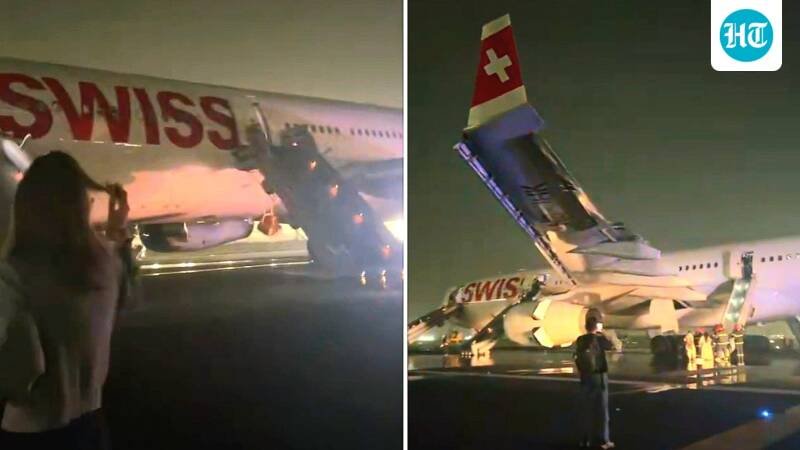



A Swiss flight from Delhi to Zurich aborted takeoff due to engine problems, injuring six. Learn what happened, why it matters, our analysis, and the potential future impact.
A Swiss International Air Lines flight, LX147, scheduled to fly from Delhi to Zurich, aborted its takeoff run at Indira Gandhi International Airport. Tragically, six passengers sustained injuries during the sudden stop. The Airbus A330 aircraft was carrying 228 passengers, including four infants, at the time of the incident.
Reports indicate that the pilots initiated the abort due to an "engine issue" detected during the takeoff roll. The swift action of the flight crew prevented a potentially more catastrophic scenario. While the specific nature of the engine problem hasn't been officially released, investigations are underway to determine the root cause.
The injured passengers received immediate medical attention at the airport. Fortunately, none of the injuries were reported to be life-threatening. Passengers were subsequently deplaned, and Swiss International Air Lines is providing assistance and alternative travel arrangements.
This incident serves as a stark reminder of the inherent risks involved in air travel, despite being statistically one of the safest modes of transportation. Even with stringent safety protocols, mechanical failures can and do occur. This event underscores the importance of robust maintenance programs, rigorous pilot training, and effective emergency procedures.
Furthermore, incidents like this can erode public confidence in air travel, potentially impacting the aviation industry. Transparency and clear communication from the airline and regulatory authorities are crucial to maintain trust and address passenger concerns.
In our opinion, the quick thinking and decisive action of the pilots were instrumental in preventing a more serious accident. The aborted takeoff highlights the effectiveness of modern aircraft monitoring systems that alert pilots to potential mechanical problems in real-time. The fact that injuries were relatively minor suggests that emergency protocols were followed efficiently.
However, the incident also raises questions. What specific engine issue led to the aborted takeoff? Was it a manufacturing defect, a maintenance oversight, or a random failure? The answers to these questions are critical for preventing similar incidents in the future. Thorough investigation by aviation authorities is paramount.
This incident could impact Swiss International Air Lines' reputation, particularly concerning their fleet maintenance. They will need to demonstrate a commitment to safety and address any underlying issues that may have contributed to the engine problem.
The investigation into the aborted takeoff will likely involve the Directorate General of Civil Aviation (DGCA) in India, as well as potentially the Swiss Transportation Safety Investigation Board (STSB). Their findings will be crucial in determining the cause of the incident and recommending corrective actions.
Looking ahead, airlines and manufacturers are constantly working to improve aircraft reliability and safety. Advancements in engine technology, predictive maintenance, and pilot training programs are all aimed at reducing the likelihood of mechanical failures and enhancing overall flight safety.
It is anticipated that enhanced safety regulations and more stringent maintenance procedures may be implemented as a result of this investigation. This could lead to increased operating costs for airlines, but ultimately, these measures are necessary to ensure passenger safety and maintain public confidence in air travel.
Ultimately, this incident underscores the importance of continuous vigilance and a proactive approach to safety in the aviation industry. While incidents like this are rare, they serve as a powerful reminder of the potential risks and the need for unwavering commitment to safety at all levels.
























