Anzac Day Commemorated in Brunei: Why It Matters
A simple explanation of Anzac Day and its commemoration in Brunei, exploring the historical significance and future implications.



A simple explanation of Anzac Day and its commemoration in Brunei, exploring the historical significance and future implications.
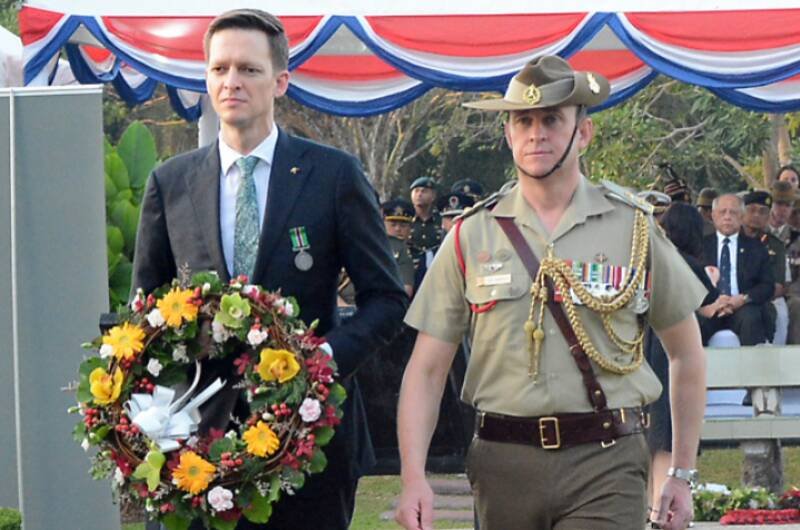
Anzac Day, a significant day of remembrance for Australia and New Zealand, was recently observed in Brunei Darussalam with a solemn dawn service. The Australian High Commission in Brunei hosted the ceremony at the Brunei-Australia Memorial on Muara Beach. This event paid tribute to the sacrifices of Australian and New Zealand Army Corps (ANZAC) soldiers in wars, conflicts, peacekeeping missions, and humanitarian operations throughout history.
Anzac Day, commemorated annually on April 25th, marks the anniversary of the first major military action fought by Australian and New Zealand forces during World War I. Specifically, it commemorates the landing at Gallipoli, Turkey, in 1915. While the Gallipoli campaign was ultimately unsuccessful, it became a defining moment for both nations, forging a sense of national identity and highlighting the values of courage, endurance, and mateship. Anzac Day has since evolved to honor all Australians and New Zealanders who have served and died in all wars, conflicts, and peacekeeping operations.
The dawn service, a traditional Anzac Day event, is held at the time of the original Gallipoli landing. The service in Brunei, held at the Brunei-Australia Memorial, provided a space for reflection and remembrance. The Brunei-Australia Memorial itself signifies the close relationship between the two countries and serves as a constant reminder of their shared history, particularly during World War II.
The commemoration of Anzac Day in Brunei underscores the enduring ties between Australia, New Zealand, and Brunei. It highlights the importance of remembering historical events and honoring the sacrifices of those who have served. Furthermore, it serves as a symbol of continued cooperation and respect between nations in the present day. These events serve as gentle reminders of the past, the lessons learned, and how those lessons play a role in forging future international relations.
The Australian High Commission's decision to hold the dawn service in Brunei reflects the strong diplomatic and historical connections between the two countries. In our opinion, this event goes beyond a simple act of remembrance; it's a deliberate effort to nurture bilateral relations and reinforce shared values. The location of the memorial at Muara Beach is also significant, likely chosen due to its historical relevance during World War II. This event helps maintain a positive image of Australia and New Zealand on the international stage. This could impact future trade deals between the countries.
It is important to note that Brunei played a role in World War II and was occupied by Japanese forces. Australian forces were involved in the liberation of Brunei, further cementing the historical link celebrated on Anzac Day. This historical context adds weight to the commemoration, making it more than just a symbolic gesture.
We anticipate that Anzac Day commemorations will continue to be held in Brunei and other countries around the world, serving as a powerful reminder of the human cost of war and the importance of peace. These events offer opportunities to strengthen diplomatic ties and promote cultural exchange. The focus is always on remembrance, respect, and a shared commitment to a more peaceful future. This event helps solidify Brunei-Australia relations in the long term. In our opinion, future collaborations could involve educational initiatives to increase awareness of the shared history between Australia, New Zealand, and Brunei, especially among younger generations.