Bnei Menashe: India's Jewish Community Returns to Israel
Israel is bringing home members of the Bnei Menashe Jewish community from India. Learn about their history, why they're returning, and the potential impact.



Israel is bringing home members of the Bnei Menashe Jewish community from India. Learn about their history, why they're returning, and the potential impact.
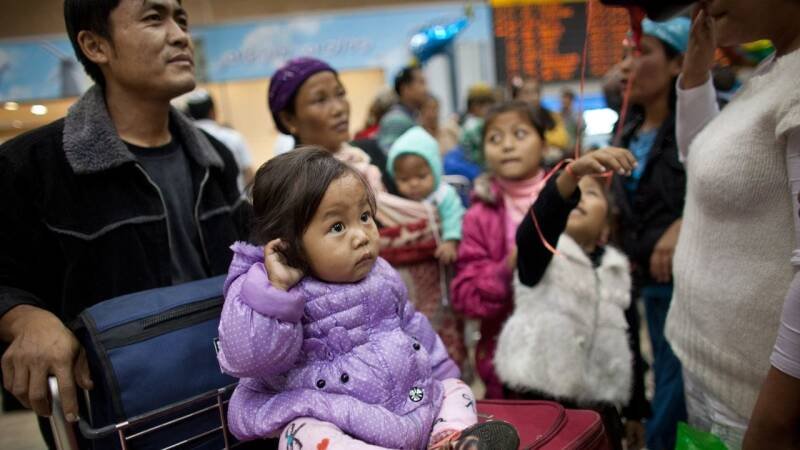
Around 250 members of the Bnei Menashe community, hailing from northeastern India, have recently arrived in Israel. This homecoming is part of a government-supported initiative to facilitate their Aliyah, the Hebrew term for immigration to Israel. Further waves of Bnei Menashe are expected to arrive in the coming months as the program continues.
The Bnei Menashe claim descent from one of the ten "lost tribes" of Israel, specifically the tribe of Manasseh (Menashe in Hebrew), who were exiled by the Assyrian Empire over 2,700 years ago. They primarily reside in the states of Manipur and Mizoram in India.
For centuries, the Bnei Menashe maintained traditions that they believe link them to ancient Jewish practices, including observing Sabbath, celebrating festivals, and adhering to dietary laws that bear resemblance to kosher practices.
Their story is a fascinating blend of history, faith, and cultural preservation amidst geographical isolation. While their Jewish identity was debated for years, prominent rabbis, including the former Sephardi Chief Rabbi Shlomo Amar, have recognized them as descendants of the Jewish people.
The process of relocating the Bnei Menashe to Israel involves conversion courses, religious studies, and integration programs designed to help them assimilate into Israeli society. Organizations like Shavei Israel play a significant role in facilitating this Aliyah.
In our opinion, this is a significant step for the Bnei Menashe, allowing them to reconnect with their ancestral homeland and practice their faith openly within a larger Jewish community.
This event holds importance on multiple levels:
The return of the Bnei Menashe to Israel raises questions about the definition of Jewish identity and the criteria for Aliyah. Their story challenges traditional notions of Jewish lineage and underscores the importance of religious practice and cultural connection in shaping Jewish identity.
The success of this relocation program hinges on effective integration efforts. Providing the Bnei Menashe with the necessary resources, language training, and cultural orientation will be crucial for their successful adaptation to Israeli society. This could impact how other potentially "lost" Jewish communities are viewed, and what efforts are made for similar relocations.
The ongoing Aliyah of the Bnei Menashe suggests a continued commitment from the Israeli government and organizations like Shavei Israel to facilitate their return. Further research into the Bnei Menashe's history and traditions could deepen our understanding of their unique cultural heritage and their connection to the Jewish people.
However, the future also depends on how well the Bnei Menashe integrate into Israeli society and how their presence affects the country's religious and cultural landscape. This could impact future discussions about immigration policy and the definition of Jewish identity within Israel.
The ongoing relocation program is expected to continue bringing more Bnei Menashe to Israel in the years to come. The impact of this program will be felt not only by the Bnei Menashe themselves but also by the wider Israeli society and the global Jewish community.