AI Influencers: How Artificial Intelligence is Changing Social Media
Discover how AI is creating virtual influencers, impacting social media marketing, and what the future holds for authenticity online.



Discover how AI is creating virtual influencers, impacting social media marketing, and what the future holds for authenticity online.
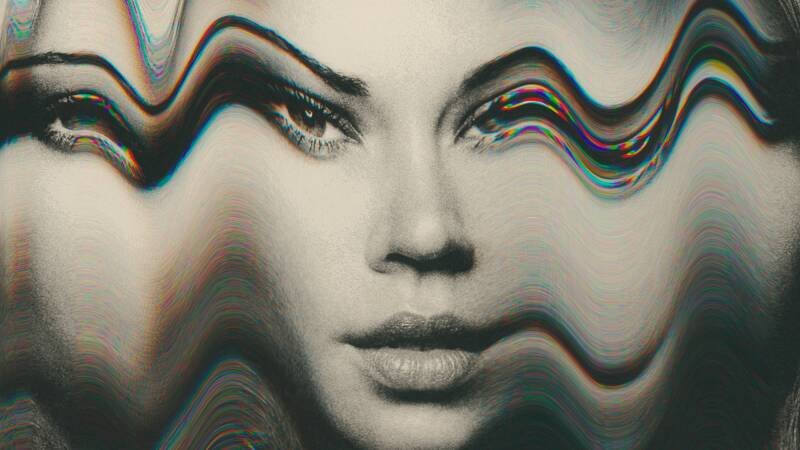
The world of social media is constantly evolving, and the latest trend is nothing short of revolutionary: AI influencers. Forget spending hours perfecting your selfie or crafting the perfect caption. Now, anyone with a little technical know-how can create a completely virtual persona and build a following online.
Fueled by advancements in artificial intelligence, platforms like TikTok and Instagram are seeing a surge in digitally created influencers. These aren't just simple avatars; they are sophisticated, hyper-realistic characters with distinct personalities, backstories, and even virtual lives.
AI influencers are computer-generated characters designed to mimic real people. They often have realistic appearances, engaging personalities, and actively participate in social media trends. They can post photos, videos, and even interact with followers, just like their human counterparts. Some are designed to look like idealized versions of humans, while others are completely fantastical creations.
These AI creations are often managed by developers or companies who control their content and partnerships. Some notable examples include Lil Miquela and Shudu Gram, who have amassed massive followings and collaborated with major brands.
The rise of AI influencers has significant implications for the future of social media and marketing. This trend raises questions about authenticity, transparency, and the very definition of influence. It could significantly alter the landscape for human content creators, particularly those who rely on social media for their income.
For consumers, it's important to be aware of when you're interacting with an AI-generated persona. While some AI influencers are transparent about their artificial nature, others blur the lines, making it difficult for audiences to distinguish between reality and simulation.
In our opinion, the emergence of AI influencers presents both opportunities and challenges. On the one hand, AI can offer brands greater control over their messaging and image. AI influencers are available 24/7, can be programmed to perfectly align with a brand's values, and are immune to scandals or controversies. This allows companies to meticulously craft narratives and campaigns without the risks associated with human influencers.
However, the lack of authenticity is a major concern. While some audiences may be drawn to the novelty of AI influencers, others may find them disingenuous and untrustworthy. The long-term success of this trend will depend on how effectively AI influencers can build genuine connections with their followers.
The trend also brings up ethical questions. Are companies being transparent enough about using AI? Are these virtual personalities contributing to unrealistic beauty standards? These are important questions that need to be addressed as AI continues to become more prevalent in the social media space.
We believe that AI influencers are here to stay, and their role in social media and marketing will likely continue to grow. We can expect to see even more sophisticated AI technologies being used to create increasingly realistic and engaging virtual personalities.
This could impact the job market for human influencers, potentially leading to increased competition and a need for content creators to differentiate themselves through unique skills, authentic storytelling, and genuine engagement with their audiences.
Ultimately, the future of AI influencers will depend on how well they can navigate the complex ethical landscape and build trust with audiences. While AI offers exciting possibilities, it's crucial to remember the importance of authenticity and human connection in the world of social media. This could potentially reshape marketing strategies and the broader social media ecosystem as we know it.