Mulching 101: Choosing the Right Materials for a Thriving Garden
Learn the best mulching practices! This guide covers what to use and avoid for a healthy, vibrant garden. Optimize your soil and boost plant growth.
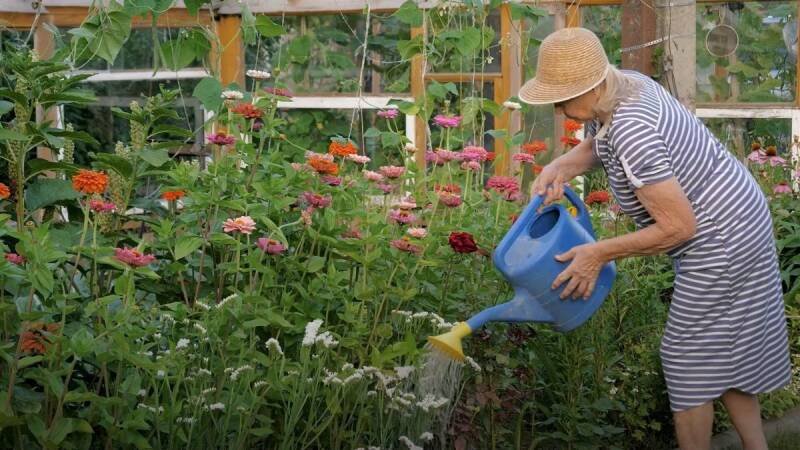



Learn the best mulching practices! This guide covers what to use and avoid for a healthy, vibrant garden. Optimize your soil and boost plant growth.
Mulching is a fundamental gardening practice, but it's surprising how often it's done incorrectly. Applying mulch effectively can significantly improve your garden's health and appearance. This guide breaks down the basics of mulching, focusing on choosing the right materials to help your plants thrive.
Simply put, mulch is any material spread on the soil surface. It can be organic, like wood chips or straw, or inorganic, such as gravel or plastic sheeting. The purpose of mulch is to suppress weeds, retain moisture, regulate soil temperature, and improve soil health over time (if using organic matter).
Understanding the nuances of mulching is crucial for any gardener, whether you're a beginner or an experienced green thumb. Choosing the wrong mulch can hinder plant growth, introduce pests, or even harm the soil. By learning the basics, you can make informed decisions that will benefit your garden in the long run. This information empowers you to create a healthier, more vibrant garden ecosystem.
Organic mulches decompose over time, enriching the soil with nutrients. Popular options include:
When choosing organic mulch, consider the plant's needs. Acid-loving plants like blueberries benefit from acidic mulches like pine needles or oak leaves.
Inorganic mulches don't decompose and primarily serve to suppress weeds and retain moisture. Common types include:
In our opinion, while inorganic mulches offer convenience, they lack the soil-enhancing benefits of organic options.
Not all materials are suitable for mulching. Avoid these:
The choice of mulch significantly impacts your garden's overall health and productivity. While inorganic mulches offer weed control, organic mulches are the clear winner when it comes to long-term soil health and plant nutrition. We believe that the best approach is to combine the benefits of both by using organic mulch where possible and reserving inorganic options for specific applications where weed control is paramount.
The trend towards sustainable gardening practices is likely to drive increased use of organic mulches. As gardeners become more aware of the environmental impact of their choices, we expect to see a greater emphasis on using locally sourced, compostable materials. This could impact the availability and pricing of different mulch options, potentially increasing demand for sustainable sources like straw and leaf mulch. Furthermore, research into innovative mulching techniques, such as incorporating beneficial microbes, could lead to even greater improvements in soil health and plant growth.
Ultimately, successful mulching requires careful consideration of your specific garden needs and a willingness to experiment with different materials. By understanding the basics and staying informed about the latest developments, you can create a thriving garden that is both beautiful and sustainable.