Frederick, Maryland's Revolutionary War Role: A 250th Anniversary Look
Explore Frederick, Maryland's vital contributions to the Revolutionary War. Learn about its historical significance, impact, and future implications.
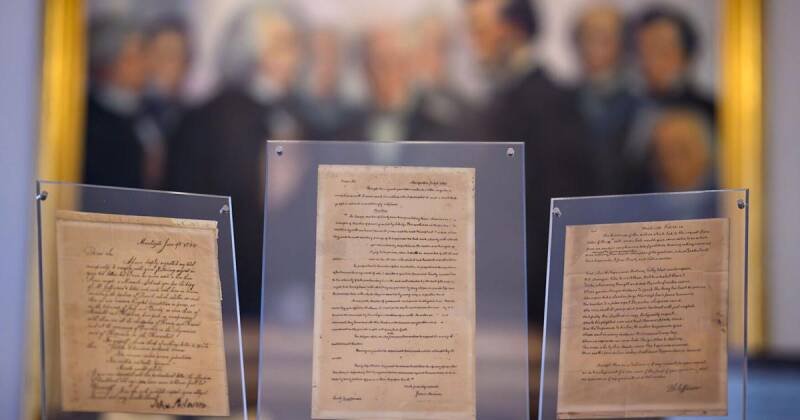



Explore Frederick, Maryland's vital contributions to the Revolutionary War. Learn about its historical significance, impact, and future implications.
As America approaches its 250th birthday, it's vital to remember the communities that played pivotal roles in the fight for independence. Frederick, Maryland, often overlooked in national narratives, was one such community. From supplying vital resources to serving as a strategic location, Frederick's contribution to the Revolutionary War was significant.
Frederick wasn't just a quiet town during the Revolution. It was a bustling center of activity, providing much-needed supplies for the Continental Army. Farmers in the surrounding area supplied food, while local artisans produced clothing and equipment. Frederick became a critical link in the supply chain, ensuring that soldiers had what they needed to fight.
Beyond supplies, Frederick's geographical location made it strategically important. Situated along key transportation routes, it served as a gathering point for troops and a logistical hub for the war effort. Military leaders recognized the value of Frederick, and it became an important staging area for operations in the region. Records show that key war council meetings and strategic plannings were discussed in the town.
Understanding the contributions of communities like Frederick helps us appreciate the widespread support for the Revolution. It wasn't just a handful of famous figures who fought for independence; it was everyday people, farmers, artisans, and merchants who risked everything for the cause of freedom. Their sacrifices laid the foundation for the nation we know today.
Recognizing these contributions fosters a deeper understanding of American history and promotes a sense of civic pride. Remembering the local stories helps us connect with the past in a more personal and meaningful way.
In our opinion, the story of Frederick highlights the importance of local history in understanding the bigger picture of the American Revolution. It's easy to focus on the famous battles and political leaders, but it's crucial to remember that the Revolution was won through the collective efforts of countless individuals and communities across the country.
The fact that Frederick played such a vital role, despite not being a major city, demonstrates the widespread support for independence. This could impact our understanding of how the revolution was won. It wasn't solely reliant on major cities, but on the unwavering support of smaller towns that provided resources and manpower.
As the 250th anniversary approaches, we expect to see more attention focused on the contributions of smaller communities like Frederick. This presents an opportunity to engage local residents in historical preservation efforts and promote a deeper understanding of their community's role in shaping the nation.
Looking ahead, there's potential for further research and documentation of Frederick's Revolutionary War history. More historical societies and local organizations might be established to unearth even more untold stories, solidifying Frederick's place in American Revolutionary history.
It's important to continue preserving historical sites and artifacts related to Frederick's Revolutionary War history. By protecting these tangible links to the past, we can ensure that future generations have the opportunity to learn about and appreciate the sacrifices made by those who came before them. This could involve creating local museums or historical markers that narrate the town’s contribution in the revolution.
In conclusion, Frederick, Maryland's contributions to the Revolutionary War were invaluable. By remembering and celebrating these contributions, we can gain a deeper appreciation for the sacrifices that secured our nation's independence and inspire a greater sense of civic pride.
























