Conor Coleman: The Legacy of a Young Organ Donor Who Saved Lives
Learn about Conor Coleman, a 19-year-old who saved five lives through organ donation. Discover his story, the impact of his generosity, and the future of organ donation.



Learn about Conor Coleman, a 19-year-old who saved five lives through organ donation. Discover his story, the impact of his generosity, and the future of organ donation.
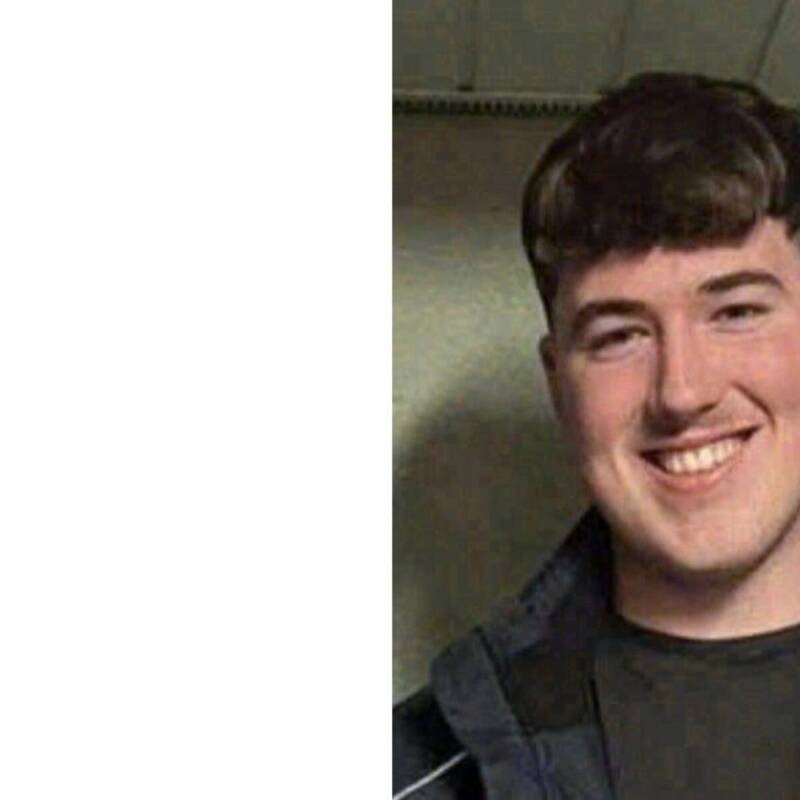
The community is mourning the loss of Conor Coleman, a 19-year-old fondly remembered for his kindness, humor, and, most profoundly, his life-saving organ donations. Conor's generous act has given five individuals a second chance at life, solidifying his legacy as a true hero.
Described as a "gentle giant," Conor touched the lives of many with his infectious personality and unwavering empathy. Friends and family remember him for his ability to bring laughter to any situation and his genuine care for those around him. His untimely passing has left a void in the hearts of those who knew him.
However, even in his passing, Conor's spirit of generosity shone through. By choosing to be an organ donor, he transformed tragedy into hope, offering a renewed future to five individuals desperately in need of transplants.
Thanks to Conor's selfless decision, five people now have a chance to live fuller, healthier lives. Organ donation is a powerful act of altruism that can dramatically improve the quality of life for recipients suffering from organ failure. The ripple effect of Conor's generosity extends far beyond the individuals who received his organs, positively impacting their families and communities.
Conor's story is important because it highlights the incredible impact of organ donation. It encourages us to consider becoming organ donors ourselves and to have conversations with our loved ones about our wishes. His story serves as a powerful reminder that even in death, we can leave a lasting legacy of hope and healing.
Furthermore, this news sheds light on the critical need for organ donors. Many individuals are currently on waiting lists for life-saving transplants, and the demand far exceeds the supply of available organs. By raising awareness about organ donation, we can help bridge this gap and save more lives.
In our opinion, Conor Coleman's story exemplifies the best of humanity. His decision to become an organ donor demonstrates remarkable selflessness and compassion. It is a testament to the power of one individual to make a significant difference in the lives of others.
The impact of organ donation cannot be overstated. It offers a tangible solution to the suffering caused by organ failure and provides a chance for recipients to regain their health and independence. This could impact the way young people see end of life planning.
The media coverage of Conor's story is crucial for raising awareness and encouraging others to consider organ donation. Positive stories like this can help dispel common misconceptions and anxieties surrounding organ donation.
Moving forward, it is essential to continue promoting organ donation through public awareness campaigns, educational programs, and legislative initiatives. Making it easier for people to register as organ donors and streamlining the donation process will help increase the availability of life-saving organs.
Technological advancements in organ transplantation, such as improved preservation techniques and immunosuppressant drugs, are also improving the success rates of transplants and expanding the pool of eligible recipients. This could impact the number of successful transplants and the quality of life for recipients.
Ultimately, the future of organ donation depends on our collective commitment to embracing altruism and supporting those in need. Conor Coleman's legacy serves as a powerful inspiration to us all.
Let us remember Conor Coleman not only for his kindness and humor but also for his extraordinary act of generosity that gave the gift of life to five others. His story is a beacon of hope and a reminder of the profound impact we can have on the world, even after we are gone.