Operation Lighthouse Memory Walk: Remembering Lives Lost to Overdose
Operation Lighthouse hosts its 5th annual Memory Walk to honor those lost to drug overdose. Learn about the event, its impact, and the future of overdose prevention.
Operation Lighthouse Hosts 5th Annual Memory Walk: A Beacon of Hope and Remembrance
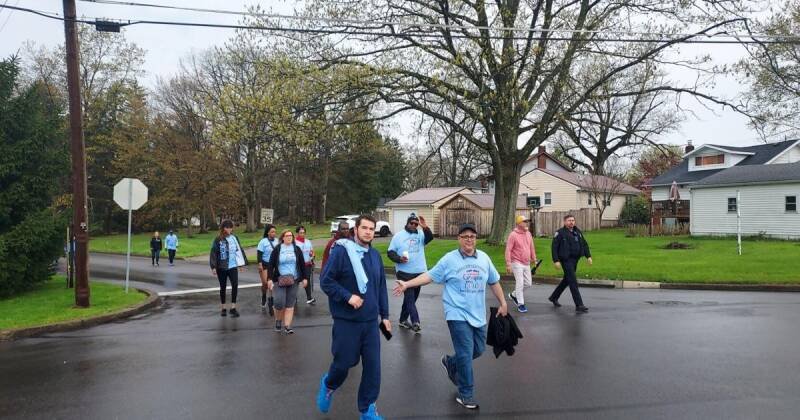
Operation Lighthouse in Farrell, Pennsylvania, recently held its 5th annual Memory Walk, a poignant event dedicated to remembering individuals lost to fatal drug overdoses. This event serves as a powerful reminder of the ongoing opioid crisis and the devastating impact it has on families and communities. Tim Harrison, a key figure at Operation Lighthouse, underscored the significance of the event by highlighting a memorial tree adorned with 54 stars, each representing a life tragically cut short by overdose.
Remembering and Honoring the Fallen
The Memory Walk is more than just a walk; it's a community coming together to grieve, support one another, and raise awareness about the dangers of drug addiction. The visual representation of the memorial tree vividly illustrates the human cost of the opioid epidemic, offering a space for reflection and remembrance. These names, etched on stars, represent real people – mothers, fathers, sons, daughters, friends, and neighbors. The event provided an opportunity for those affected to share stories, offer condolences, and find strength in collective grief.
The Opioid Crisis: A Persistent Threat
The ongoing opioid crisis continues to be a major public health concern in the United States. Overdose deaths remain alarmingly high, affecting communities across the nation. Organizations like Operation Lighthouse play a critical role in providing resources, support, and advocacy for individuals struggling with addiction and their families. Their work is vital in combating the stigma associated with addiction and promoting access to treatment and recovery services.
Why This News Matters
This event highlights the continuing severity of the opioid crisis. It’s a stark reminder that overdose deaths are not just statistics; they represent lost lives and shattered families. The Memory Walk underscores the importance of community support, awareness campaigns, and accessible treatment options for individuals battling addiction. It also emphasizes the need for continued efforts in prevention and harm reduction strategies to combat this public health crisis.
Our Analysis
In our opinion, Operation Lighthouse's Memory Walk is a powerful demonstration of community resilience and compassion in the face of tragedy. The dedication and commitment of individuals like Tim Harrison are invaluable in providing a beacon of hope for those affected by addiction. The event not only allows for remembrance but also serves as a catalyst for change, prompting discussions about addiction prevention, treatment, and support services. The memorial tree, in particular, acts as a constant reminder of the lives lost and the urgent need for continued action.
The Power of Community Support
Community support is paramount in addressing the opioid crisis. Events like the Memory Walk create a sense of solidarity and understanding, fostering a supportive environment where individuals can feel safe to seek help and share their experiences. This type of community engagement is essential in breaking down the stigma surrounding addiction and promoting a more compassionate and informed approach to the issue.
Future Outlook
Moving forward, it's crucial that communities continue to support organizations like Operation Lighthouse in their efforts to combat the opioid crisis. Increased funding for treatment programs, expanded access to naloxone (an overdose reversal medication), and comprehensive prevention initiatives are essential in saving lives and reducing the devastating impact of addiction. This could impact countless families and individuals in the future.
Continued Efforts are Key
The fight against the opioid crisis is far from over. Continued efforts in research, prevention, and treatment are vital in turning the tide. By working together, communities can create a healthier and more supportive environment for individuals struggling with addiction and their families, ultimately reducing the number of lives lost to overdose. We must also consider addressing the root causes of addiction, such as poverty, trauma, and lack of opportunity.
- Increased funding for addiction treatment and prevention programs.
- Expanded access to naloxone and other harm reduction strategies.
- Community-based support groups and resources for individuals and families affected by addiction.
- Continued awareness campaigns to reduce stigma and promote help-seeking behavior.