Iran Seizes Ships: Strait of Hormuz Tensions Escalate
Iran seizes ships in the Strait of Hormuz, escalating tensions after Trump halted attacks. Get expert analysis, future outlook, and why this news matters.



Iran seizes ships in the Strait of Hormuz, escalating tensions after Trump halted attacks. Get expert analysis, future outlook, and why this news matters.
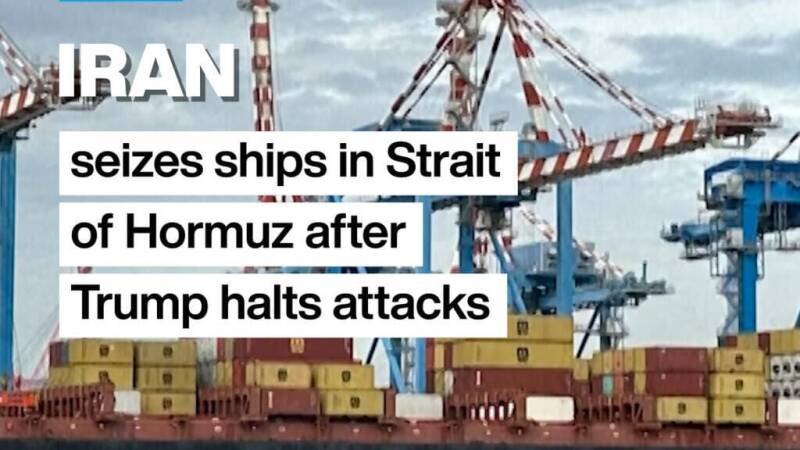
In a move that's ratcheted up tensions in the already volatile Middle East, Iran's military seized two ships in the Strait of Hormuz on Wednesday. This action comes hot on the heels of U.S. President Donald Trump's last-minute decision to call off retaliatory strikes against Iran following the downing of a U.S. drone.
Details surrounding the ship seizures are still emerging. While specific information regarding the nationalities of the ships, their cargo, and the circumstances of their capture remains somewhat unclear in initial reporting, the act itself sends a strong signal. The Strait of Hormuz is a critical waterway for global oil supplies, and any disruption there has significant implications.
The Strait of Hormuz is a narrow channel connecting the Persian Gulf to the Gulf of Oman and the Arabian Sea. A significant portion of the world's oil supply passes through this strategic choke point. Any instability or conflict in this region can have a ripple effect on global energy markets and international trade.
This isn't just another headline; it's a potential turning point. The ship seizures are a demonstration of Iran's ability to project power in a vital maritime region. It’s also a message, potentially aimed at both the U.S. and other nations reliant on the free flow of oil through the Strait. This incident could trigger a new round of escalations in an already tense situation. This event highlights the delicate balance in the region and the potential for rapid escalation.
In our opinion, Iran's actions can be interpreted as a calculated response to the increased pressure it's facing from the U.S., particularly the sanctions regime. With the U.S. increasing its military presence in the region and imposing sanctions, Iran might be trying to demonstrate its resolve and capabilities. The timing, immediately after Trump called off strikes, suggests a desire to show strength and defiance.
This event also raises serious questions about maritime security in the Strait of Hormuz. The safety and freedom of navigation are paramount for global trade and energy security. Increased tensions and the potential for further incidents could deter shipping companies from using the waterway, potentially driving up oil prices and disrupting supply chains.
The immediate future is uncertain. Several factors could influence events, including:
This could impact oil prices. Even the *perception* of instability in the Strait of Hormuz can lead to price volatility. If the situation continues to escalate, we could see a significant increase in the cost of oil, impacting consumers worldwide.
Furthermore, the long-term implications for international relations in the Middle East are significant. The events could create a dangerous situation that could quickly change and impact the world.
Ultimately, de-escalation and diplomatic solutions are crucial to prevent a full-blown conflict. All parties need to engage in dialogue and find a way to address the underlying issues driving the current tensions. Whether that is achievable remains to be seen.