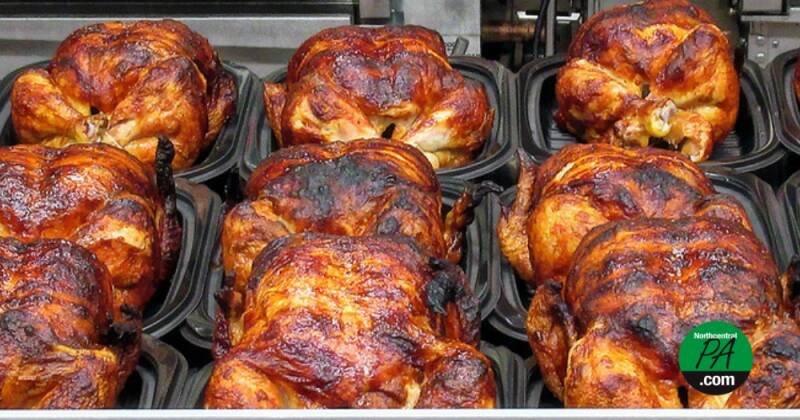
Hot Rotisserie Chicken Act: Fetterman Supports SNAP Food Access Expansion
Senator Fetterman co-sponsors the Hot Rotisserie Chicken Act, aiming to expand SNAP benefits to include ready-to-eat hot foods. Learn how this could impact food security and access for low-income families.
Fetterman Joins Push to Include Hot Rotisserie Chicken in SNAP Benefits
Senator John Fetterman has joined a group of lawmakers in introducing the "Hot Rotisserie Chicken Act," a bill designed to expand the types of foods that can be purchased using Supplemental Nutrition Assistance Program (SNAP) benefits. The legislation, formally introduced on April 22nd, aims to include hot, ready-to-eat rotisserie chicken as an eligible food item.
What the Hot Rotisserie Chicken Act Proposes
Currently, SNAP benefits primarily cover uncooked food items meant to be prepared at home. This limitation can pose a significant challenge for individuals and families who may lack adequate cooking facilities, time, or the resources to prepare meals from scratch. The Hot Rotisserie Chicken Act seeks to address this issue by allowing SNAP recipients to purchase pre-cooked rotisserie chicken, a relatively affordable and nutritious source of protein, at authorized retailers.
Why This News Matters
This legislation is significant because it directly tackles the challenges faced by many low-income individuals and families struggling with food insecurity. Access to readily available, nutritious food is crucial, and for those without consistent access to cooking facilities or the time to prepare meals, a hot rotisserie chicken can be a vital and cost-effective option. The current SNAP restrictions can inadvertently limit food choices and potentially force recipients towards less healthy, processed alternatives.
Expanding SNAP to include hot, ready-to-eat foods like rotisserie chicken can also provide a much-needed boost to local economies. Increased spending at grocery stores and other retailers that participate in SNAP can help support jobs and businesses in communities that need it most. By increasing food access, the Hot Rotisserie Chicken Act could improve individual health outcomes and help communities thrive.
Our Analysis
In our opinion, the Hot Rotisserie Chicken Act represents a sensible and compassionate step towards improving food security for vulnerable populations. The current SNAP restrictions, while intended to promote healthy eating, can inadvertently create barriers to accessing nutritious food for those with limited resources. Allowing the purchase of hot, ready-to-eat items like rotisserie chicken recognizes the diverse needs and circumstances of SNAP recipients. This could impact families greatly.
The potential benefits of this legislation extend beyond just increased food access. It could also lead to:
- Improved Dietary Intake: Access to a readily available source of protein and other essential nutrients.
- Reduced Food Waste: Eliminating the need to purchase and potentially waste ingredients due to lack of preparation time or facilities.
- Increased Convenience: Easing the burden of meal preparation for busy families and individuals.
However, it's also important to acknowledge potential concerns. Some critics may argue that expanding SNAP to include hot foods could lead to increased reliance on less healthy options or potential misuse of benefits. To mitigate these concerns, it's crucial to implement safeguards and provide nutrition education resources to help SNAP recipients make informed food choices.
Future Outlook
The Hot Rotisserie Chicken Act faces an uncertain path through Congress. Its success will likely depend on bipartisan support and a willingness to address the underlying challenges of food insecurity. It will require further debate and amendment, and it's possible that the final version of the legislation will differ from the initial proposal.
Looking ahead, this bill could pave the way for further reforms to SNAP and other food assistance programs. There is a growing recognition of the need to modernize these programs to better meet the evolving needs of low-income families. If the Hot Rotisserie Chicken Act proves successful, it could serve as a model for expanding access to other types of convenient and nutritious food options. It could impact how food services are handled for people with low income.