HYDRAA Demolitions in Hyderabad: Power, Impact, and the Future
An in-depth analysis of HYDRAA's demolition drives in Hyderabad, exploring its impact, authority, and future implications for urban development.
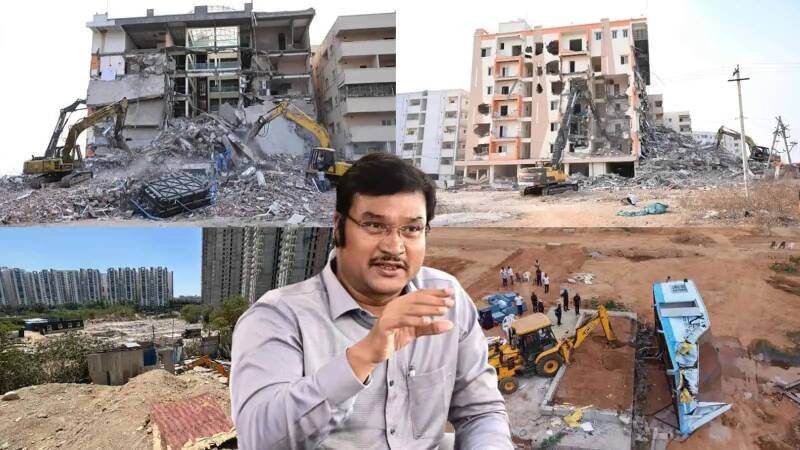



An in-depth analysis of HYDRAA's demolition drives in Hyderabad, exploring its impact, authority, and future implications for urban development.
Hyderabad is witnessing a significant shift in its urban landscape, driven by the Hyderabad Disaster Response and Assets Monitoring and Protection Agency (HYDRAA). Since its inception in July 2024, HYDRAA has become a dominant force, known for its aggressive demolition of unauthorized structures across the city. Their targets include constructions encroaching on lakes, parks, and government-owned land.
HYDRAA's stated mission is to reclaim illegally occupied land and protect public assets. They operate with a clear mandate: to enforce existing regulations and prevent further encroachment. The agency's chief has publicly stated that no politician can stop their demolition drives, signaling a level of autonomy and commitment that is both impressive and concerning.
This news is significant for several reasons. First, it highlights the ongoing struggle between development and legality in rapidly growing cities. Second, it showcases the power and reach of newly formed government agencies and their potential impact on citizens. Finally, it raises important questions about transparency, due process, and the balance between law enforcement and individual rights. This potentially impacts property values across Hyderabad.
HYDRAA's actions are undoubtedly controversial. While many citizens support the agency's efforts to protect public spaces and enforce the law, others worry about the potential for abuse of power and the displacement of vulnerable communities. In our opinion, the agency's uncompromising approach, while effective in some respects, may lack the nuance needed to address the complex challenges of urban development.
The key issue here is finding a balance between upholding the law and protecting the livelihoods of those affected by the demolitions. Were proper procedures followed? Were residents given adequate notice and opportunities to appeal? These are critical questions that need to be addressed to ensure fairness and transparency.
The agency's apparent immunity from political interference is a double-edged sword. While it allows HYDRAA to operate without fear of reprisal, it also raises concerns about accountability. Without proper oversight, there is a risk that the agency could act arbitrarily or unfairly. The question is who watches the watchmen?
The future of HYDRAA and its impact on Hyderabad remains uncertain. Several factors will determine the agency's long-term success and legitimacy. These include:
One possible scenario is that HYDRAA continues its current course, aggressively demolishing unauthorized structures and reshaping the urban landscape. This could lead to increased tensions and potential social unrest. Another scenario is that the agency adopts a more nuanced approach, working with communities to find alternative solutions and minimizing displacement. A third scenario is the agency becomes a bureaucratic nightmare with little to show but increased public distrust. This could depend on future appointments.
Ultimately, HYDRAA's legacy will depend on its ability to balance the need for law enforcement with the rights and needs of the people it serves. This could impact Hyderabad's image as a place to invest.
























