Armenia at Crossroads: Elections, Russia-West Tensions, and the Future
Armenia faces crucial elections amidst rising tensions between Russia and the West. Explore the context, analysis, and future outlook of this geopolitical struggle.
Armenia at a Crossroads: Elections Test Russia-West Ties
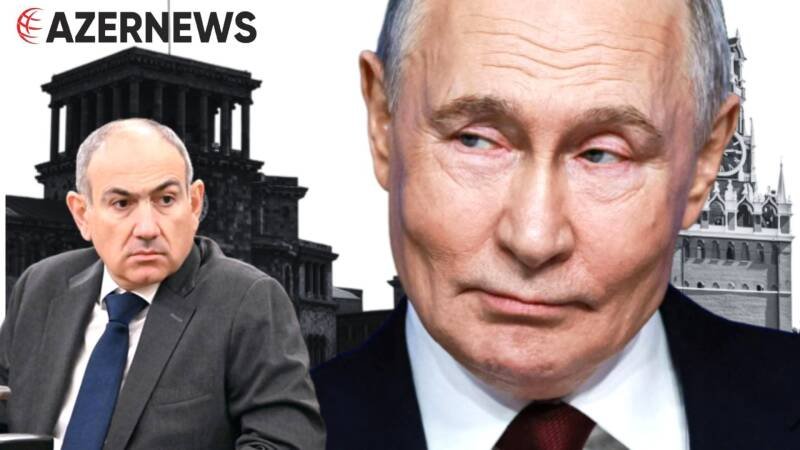
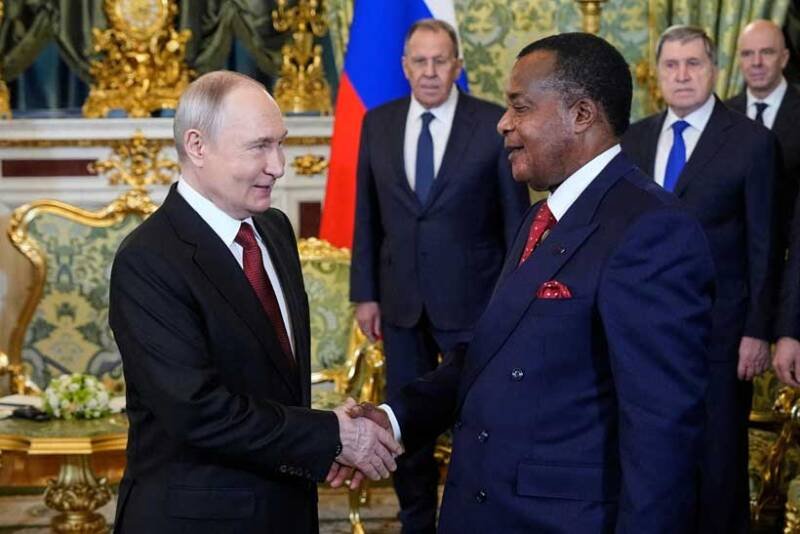
Armenia is heading to the polls at a time of immense geopolitical pressure. Recent heated exchanges between Russian President Vladimir Putin and Armenian Prime Minister Nikol Pashinyan have highlighted growing tensions. These aren't just simple disagreements; they reflect a deeper struggle for influence in the Caucasus region. The upcoming elections will be a critical test, potentially reshaping Armenia's relationship with both Russia and the West.
The Putin-Pashinyan Spat: More Than Just Words
The public disagreements between Putin and Pashinyan are significant. While the specific details of their arguments are important, even more crucial is the *interpretation* of those arguments. Are they simply tactical maneuvers, or do they signify a fundamental shift in Armenia's geopolitical alignment? The way these exchanges are perceived by Armenian voters, neighboring countries, and international powers will have a huge impact.
The Shadow of the Nagorno-Karabakh Conflict
The backdrop to these tensions is the ongoing instability surrounding the Nagorno-Karabakh conflict. Armenia's defeat in the 2020 war against Azerbaijan, coupled with Russia's perceived failure to adequately protect Armenian interests, has fueled discontent and calls for a re-evaluation of its traditional alliance with Moscow. This is, in our opinion, a key driver of Pashinyan's more assertive stance towards Russia.
Why This News Matters
This situation matters because Armenia's strategic location makes it a crucial player in the broader geopolitical game between Russia and the West. Any significant shift in Armenia's foreign policy could have far-reaching consequences for the stability of the Caucasus region and the balance of power in Eurasia.
* **Regional Security:** Instability in Armenia could trigger renewed conflict with Azerbaijan and potentially draw in other regional powers like Turkey.
* **Energy Security:** Armenia is a transit country for energy pipelines. Geopolitical shifts could affect the flow of oil and gas to Europe.
* **Russia's Influence:** The outcome of the Armenian elections will be a significant indicator of Russia's ability to maintain its influence in the former Soviet space.
Our Analysis
In our analysis, Pashinyan is likely attempting to navigate a difficult path. He's trying to balance Armenia's historical reliance on Russia for security with a desire to forge closer ties with the West, particularly the European Union and the United States. This is a risky strategy, as it could alienate Russia without necessarily guaranteeing Western support. Pashinyan's government is trying to signal that Armenia has options. This could impact how Russia plans their foreign policies.
It is also important to consider that the Armenian diaspora, with significant presence and influence in Western countries, may be subtly pushing for a shift away from Russian dominance.
Future Outlook
The future of Armenia's relationship with Russia and the West is highly uncertain. Several factors will influence the outcome:
* **Election Results:** A decisive victory for Pashinyan's party could embolden him to pursue a more independent foreign policy. A fragmented outcome, however, could weaken his position and make it more difficult to challenge Russian influence.
* **Western Engagement:** The level of engagement from the West, particularly the EU and the US, will be critical. If they offer concrete support and security guarantees, Armenia may be more willing to distance itself from Russia.
* **Russia's Response:** Russia is unlikely to stand idly by if Armenia moves closer to the West. Moscow could use a variety of tools, including economic pressure, political interference, and military deployments, to try to maintain its influence.
* **Nagorno-Karabakh:** A final resolution to the Nagorno-Karabakh conflict could significantly alter the geopolitical landscape. A lasting peace agreement could reduce Armenia's reliance on Russia for security.
Ultimately, Armenia's future will depend on its ability to navigate the complex and often conflicting pressures from Russia and the West. The upcoming elections are a crucial step in determining which direction the country will take.