Vietnam Establishes Dong Nai City: What It Means for the Economy
Vietnam has approved Dong Nai as a centrally governed city. Learn about the implications for economic growth, infrastructure development, and future outlook.
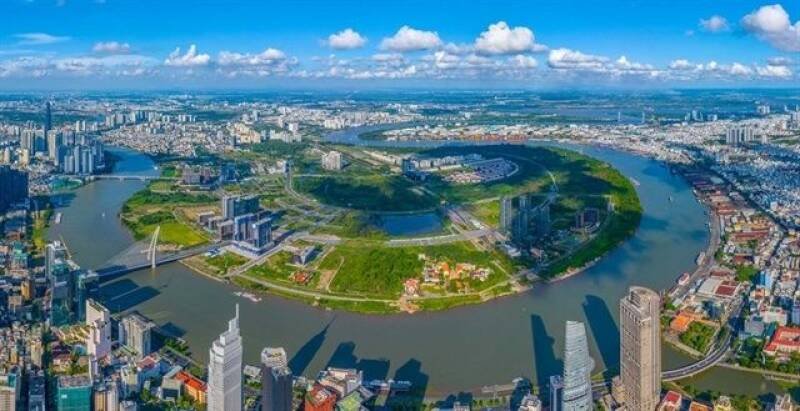



Vietnam has approved Dong Nai as a centrally governed city. Learn about the implications for economic growth, infrastructure development, and future outlook.
In a significant move signaling Vietnam's continued economic growth, the National Assembly has officially approved the establishment of Dong Nai City. This decision, made during the first session of the 16th National Assembly, elevates Dong Nai province to the status of a centrally governed city, placing it directly under the control of the central government.
This change represents a major shift in how Dong Nai will be administered and developed. Previously a province, Dong Nai will now have more autonomy and access to resources, potentially accelerating its growth and development.
In Vietnam, a "centrally governed city" holds a special administrative status, giving it greater power and resources than a regular province. These cities are directly managed by the central government, which allows for streamlined decision-making, better resource allocation, and the ability to implement national policies more effectively.
Currently, Vietnam has a select few centrally governed cities, including Hanoi, Ho Chi Minh City, Hai Phong, Da Nang, and Can Tho. The addition of Dong Nai signifies its growing economic importance and strategic location within the country.
The establishment of Dong Nai City is more than just a name change; it's a strategic move with far-reaching implications for Vietnam's economy and infrastructure. Here's why it matters:
In our opinion, the elevation of Dong Nai to a centrally governed city is a calculated move by the Vietnamese government to unlock its full potential. Dong Nai's strong industrial base, combined with its strategic location, positions it as a crucial driver of economic growth. This shift should enable more effective coordination of development initiatives and attract higher levels of foreign direct investment.
However, challenges will also arise. Efficient and transparent management of resources will be critical to prevent corruption and ensure sustainable development. The government will also need to address potential issues related to urbanization, such as traffic congestion, pollution, and affordable housing.
The future for Dong Nai City looks bright. With increased investment and improved infrastructure, we anticipate significant economic growth and an improved quality of life for its residents. This could impact neighboring provinces, creating opportunities for regional development and collaboration.
Here are some potential future developments:
Overall, the establishment of Dong Nai City is a positive development for Vietnam. It signals the country's commitment to economic growth and sustainable development. By carefully managing the challenges and capitalizing on the opportunities, Dong Nai can become a leading economic center in Southeast Asia.
























