Life Aboard an Iraqi Oil Tanker During Regional Tensions: A Close Look
An inside look at the daily life of Iraqi oil tanker crews navigating the volatile waters of the Gulf amidst ongoing regional tensions. Understand the risks, the economic importance, and the future of maritime operations in this critical area.
Life Aboard an Iraqi Oil Tanker During Regional Tensions: A Close Look
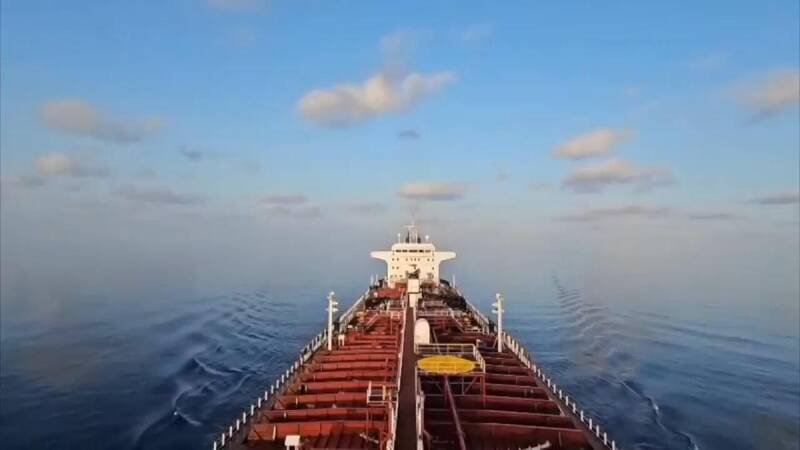
Imagine working in a place where the stakes are incredibly high, the environment is unpredictable, and the global economy hangs in the balance. That's the reality for Captain Rahman Al-Jubouri and his crew aboard an Iraqi commercial oil tanker navigating the waters between the Gulf of Oman and the Strait of Hormuz. This isn't just any sea route; it's one of the most strategically important and potentially dangerous maritime corridors in the world.
A Day in the Life: Navigating Uncertainty
The daily routine on an oil tanker is already demanding. It requires meticulous planning, constant monitoring, and a high level of expertise. But when you add the complexities of geopolitical tensions and the threat of maritime incidents, the pressure intensifies significantly. Captain Al-Jubouri and his team must be ever-vigilant, ready to respond to any potential hazard.
The Strait of Hormuz, in particular, is a narrow waterway through which a significant portion of the world's oil supply passes. This makes it a flashpoint for potential conflict. Any disruption to shipping in this area could have major repercussions for global energy markets.
Why This News Matters
The safe passage of oil tankers through the Gulf of Oman and the Strait of Hormuz is critical for the global economy. Disruptions to this trade route can lead to higher energy prices, impacting businesses and consumers worldwide. Understanding the challenges faced by those who work in this environment sheds light on the human element behind these global economic forces.
Furthermore, the story highlights the ongoing geopolitical risks in the region. Awareness of these risks is essential for policymakers, businesses, and anyone interested in international relations and global security.
Our Analysis
The continued operation of Iraqi oil tankers in this volatile region demonstrates Iraq's commitment to maintaining its role as a key oil exporter. It also highlights the resilience and professionalism of Iraqi seafarers like Captain Al-Jubouri, who are willing to work in challenging and potentially dangerous conditions.
In our opinion, the international community needs to remain focused on de-escalating tensions and ensuring the safety and security of maritime traffic in the Gulf. Increased cooperation and diplomatic efforts are essential to prevent any incidents that could disrupt the flow of oil and destabilize the region.
Future Outlook
The future of maritime operations in the Gulf depends heavily on the evolving geopolitical landscape. As long as tensions remain high between Iran and other regional powers, the risk of incidents at sea will persist. The development of new technologies, such as advanced surveillance systems and autonomous vessels, could potentially improve maritime security in the long run.
This could impact the development and adoption of new insurance and risk management strategies for shipping companies operating in the region. Furthermore, the diversification of energy sources and trade routes could help to mitigate the impact of any potential disruptions in the Gulf.
The Importance of Vigilance
Captain Al-Jubouri's story is a reminder of the dedication and courage of those who work in the maritime industry, particularly in high-risk areas. Their efforts ensure the smooth flow of goods and energy that underpin the global economy. Maintaining vigilance and promoting dialogue are crucial for safeguarding this vital trade route and preventing future crises.
The situation demands constant monitoring and analysis. The risks are real and the consequences of a miscalculation could be significant. International cooperation and a commitment to de-escalation are the keys to ensuring stability and security in the region.