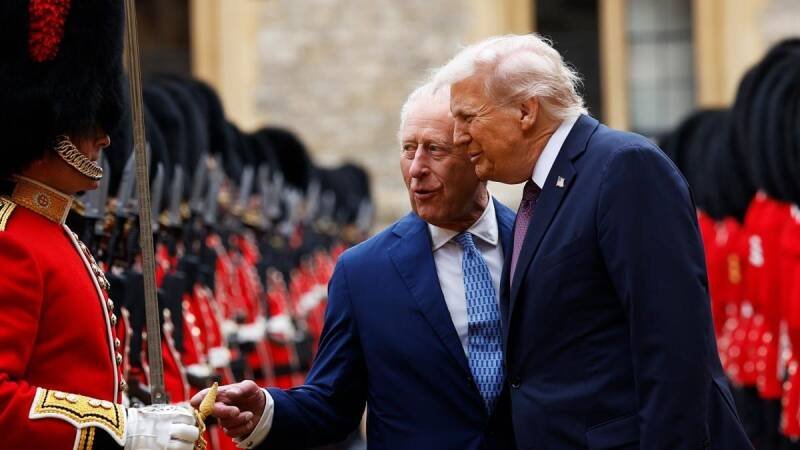
King Charles, Trump, and the Future of the Special Relationship
King Charles faces a crucial test in navigating the "special relationship" with the US, particularly with a potential Trump presidency. This article analyzes the challenges, implications, and future outlook.
Royal Test: Can King Charles Mend the Special Relationship with Trump?
King Charles III faces a significant challenge: navigating the delicate "special relationship" between the United Kingdom and the United States, especially with the potential return of Donald Trump to the White House. This relationship, forged during the crucible of World War II, has been a cornerstone of international diplomacy for decades, but recent events and shifting political landscapes have put it under strain.
The Special Relationship: A History of Cooperation
The "special relationship" is more than just a friendly alliance. It encompasses deep-rooted cultural ties, shared values, and extensive cooperation on security, intelligence, and trade. From fighting alongside each other in major conflicts to collaborating on groundbreaking scientific advancements, the UK and the US have historically been close partners.
Challenges to the Alliance
However, the relationship isn't without its bumps. Differing perspectives on issues like climate change, international trade, and military intervention have caused friction in the past. Brexit, in particular, introduced a new layer of complexity, altering the UK's relationship with Europe and its subsequent position on the world stage. Trump's previous presidency also introduced challenges, marked by his "America First" policies and unpredictable diplomatic style.
Why This News Matters
The health of the UK-US relationship has far-reaching implications. It affects global security, international trade, and the balance of power. A strong alliance can provide stability and leadership in a turbulent world, while a strained relationship can create uncertainty and weaken international cooperation. The King, as a symbol of the UK, plays a crucial role in maintaining and strengthening these ties, even within the confines of a constitutional monarchy. His personal relationship with world leaders, including potentially Donald Trump, can be a vital component in fostering goodwill and understanding.
Our Analysis
In our opinion, King Charles faces a difficult balancing act. He must uphold the values and interests of the UK while navigating the complexities of dealing with a potentially unpredictable US administration. Trump's "America First" approach could clash with the UK's commitment to multilateralism and international cooperation. Charles’s publicly stated views on environmental issues could clash with Trump’s views on climate change.
Furthermore, maintaining strong ties with the US is crucial for the UK's post-Brexit strategy. A strong relationship with the US could provide economic benefits and solidify the UK's position as a global player. However, this must be achieved without compromising the UK's values or alienating other key allies.
Future Outlook
The future of the "special relationship" hinges on several factors. These include the outcome of the next US presidential election, the UK's ability to forge new alliances, and the King's effectiveness in navigating complex diplomatic challenges. A Trump presidency could lead to further strains on the alliance, requiring careful diplomacy and strategic adaptation from the UK. The level of influence exerted by the Royal family in political matters is something we predict will remain consistent.
Looking ahead, the UK and US must find common ground on key issues such as trade, security, and climate change. Strengthening existing channels of communication and fostering greater understanding between the two nations will be essential. This could impact the trade, political and military relations between both countries. Ultimately, the ability of King Charles and other world leaders to work together to address shared challenges will determine the future of this vital alliance.
- Continued cooperation on security and intelligence matters.
- Finding common ground on trade and economic issues.
- Addressing climate change and other global challenges.
- Maintaining open lines of communication between leaders.