Ukraine Road Repairs: Progress and What It Means for the Future
Ukraine has repaired over 5.7 million square meters of roads since the beginning of the year. Learn about the impact, analysis, and future outlook of this critical infrastructure project.
Ukraine Makes Significant Progress on Road Repairs
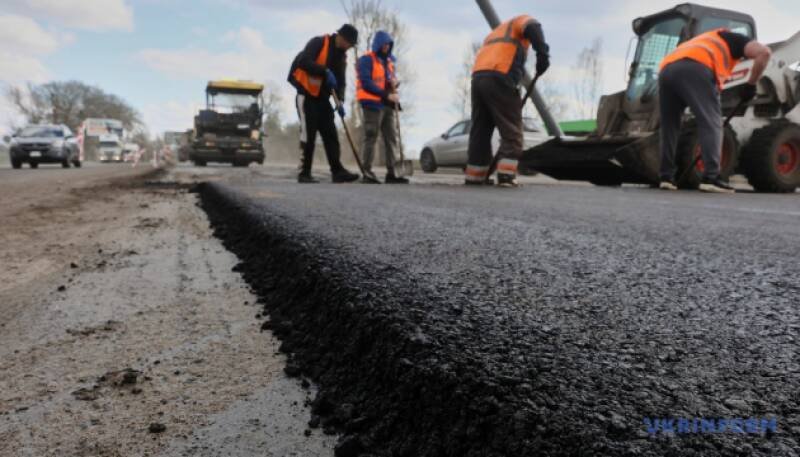
Despite the ongoing conflict, Ukraine has made remarkable progress in repairing its damaged road network. Since the start of the year, over 5.7 million square meters of damaged road surfaces on international highways and state roads have been successfully repaired.
What Roads Are Being Repaired?
The focus is primarily on critical infrastructure, specifically international highways and state roads. These routes are crucial for maintaining supply lines, enabling humanitarian aid delivery, and supporting economic activity within the country.
These roads are essential for connecting cities, transporting goods, and facilitating the movement of people. Repairing them is a vital step in Ukraine's recovery process.
Why This News Matters
The repair of Ukraine's road network is not just about fixing potholes. It's a lifeline for the country's economy and its people. Here's why this news is significant:
- Economic Stability: Functional roads are essential for transporting goods and services. Repairs help support local businesses and keep the economy moving, even under challenging circumstances.
- Humanitarian Aid: Repaired roads ensure that aid can reach those who need it most, especially in areas affected by the conflict.
- National Unity: By rebuilding infrastructure, Ukraine is demonstrating resilience and a commitment to its future. It reinforces the country's ability to function and rebuild.
- Supporting the War Effort: Efficient transport is essential for the war effort by enabling efficient supply lines
Our Analysis
In our opinion, this achievement speaks volumes about Ukraine's resilience and determination. To repair such a significant area of roads during a time of conflict is a testament to the dedication of the workers and the government's commitment to maintaining vital infrastructure.
The focus on international highways and state roads is strategic. These are the arteries that keep the country connected. Prioritizing their repair makes sense from an economic and humanitarian perspective.
However, it's important to acknowledge that this is just one piece of the puzzle. Much more work will be needed to fully restore Ukraine's infrastructure after the conflict. It's also unclear about the quality of these repairs and what their estimated lifetime will be. What is the maintenance schedule for these repairs, and are resources available to maintain them?
Future Outlook
The future outlook for Ukraine's infrastructure depends heavily on the trajectory of the conflict. However, the progress made so far is encouraging. Here are some potential future developments:
- Continued Repairs: We can expect the repair efforts to continue as long as resources are available and conditions allow.
- International Investment: As the conflict subsides, international investment in Ukraine's infrastructure is likely to increase significantly.
- Modernization: The reconstruction process presents an opportunity to modernize Ukraine's infrastructure, making it more resilient and efficient. This could involve incorporating new technologies and sustainable practices.
- Long-Term Planning: Long-term planning will be essential to ensure that infrastructure investments align with Ukraine's overall development goals.
Potential Challenges
Several challenges could hinder future progress:
- Ongoing Conflict: The conflict continues to pose a major threat to infrastructure projects.
- Funding Constraints: Securing sufficient funding for reconstruction will be a significant challenge.
- Materials Shortages: Supply chain disruptions could lead to shortages of essential building materials.
Despite these challenges, the initial progress in road repairs is a positive sign. It demonstrates Ukraine's commitment to rebuilding and securing its future. This could impact foreign aid investments, as organizations may be more inclined to assist with infrastructure projects seeing that the country is successfully managing ongoing repairs.