Trump Extends Iran Ceasefire: What It Means and What's Next
President Trump extends the Iran ceasefire indefinitely. Learn why this matters, our expert analysis, and the future outlook for peace talks.
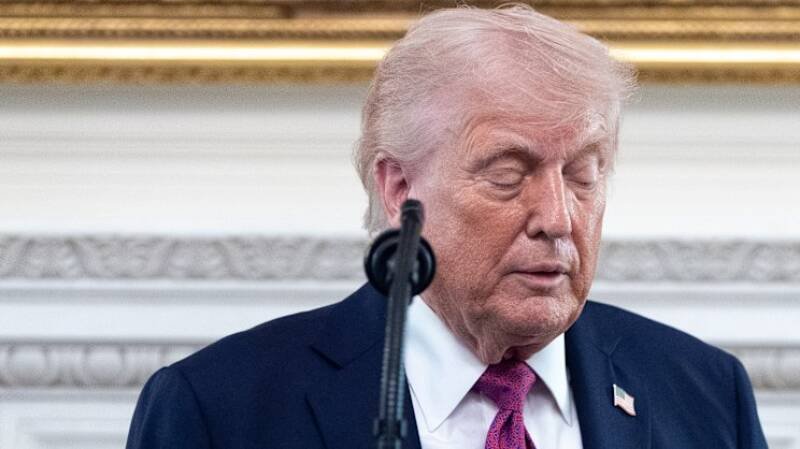



President Trump extends the Iran ceasefire indefinitely. Learn why this matters, our expert analysis, and the future outlook for peace talks.
In a move that has surprised some and been welcomed by others, US President Donald Trump has announced an indefinite extension of the existing ceasefire with Iran. This decision comes amidst stalled peace talks and what officials describe as "mixed messages" emanating from Tehran. The extension was reportedly granted following a request from Pakistani mediators, who are playing a key role in facilitating communication between the US and Iran.
Tensions between the US and Iran have been high for years, escalating significantly after the US withdrawal from the Joint Comprehensive Plan of Action (JCPOA), commonly known as the Iran nuclear deal, in 2018. This withdrawal, coupled with the reimposition of crippling sanctions on Iran, led to a series of escalating events, including attacks on oil tankers in the Persian Gulf and Iranian downing of a US drone.
The initial ceasefire, the details of which have remained somewhat opaque, aimed to de-escalate these tensions and create a window for diplomatic engagement. While the ceasefire itself has been fragile, it has prevented a direct military confrontation between the two nations.
This extension is significant for several reasons:
In our opinion, President Trump's decision to extend the ceasefire is a pragmatic one. While he has maintained a hard-line stance towards Iran, he also recognizes the potential costs of military conflict. The influence of Pakistani mediators shouldn't be understated; they are a key element in maintaining communication between Washington and Tehran.
The "mixed messages" from Iran are likely a reflection of internal divisions within the Iranian government. Some factions may be more open to negotiation, while others remain staunchly opposed to any concessions. Navigating these internal dynamics will be crucial for any progress in peace talks. The Pakistani mediators likely warned of this.
Despite the extension of the ceasefire, significant challenges remain. The core issue remains the JCPOA and the US demand for Iran to curb its nuclear program in exchange for sanctions relief. Iran, in turn, insists on a full return to the JCPOA before any further negotiations.
Furthermore, regional issues, such as Iran's involvement in conflicts in Syria, Yemen, and Lebanon, remain a point of contention. Addressing these issues will be essential for achieving a lasting peace.
The future of US-Iran relations remains uncertain. While the extended ceasefire offers a glimmer of hope, much depends on the willingness of both sides to compromise. Key indicators to watch include:
This could impact the upcoming US presidential elections. A foreign policy success, such as a breakthrough in Iran negotiations, could bolster President Trump's standing. Conversely, a return to conflict could have negative consequences.
Ultimately, achieving a lasting peace will require a sustained commitment to diplomacy and a willingness from both sides to address each other's concerns. In the coming months, we'll be watching closely to see if this commitment materializes.
























