Iowa Property Tax Reform Stalled: What It Means For You
Iowa lawmakers missed their deadline for property tax reform and eminent domain rules. Learn what this means for homeowners and landowners.
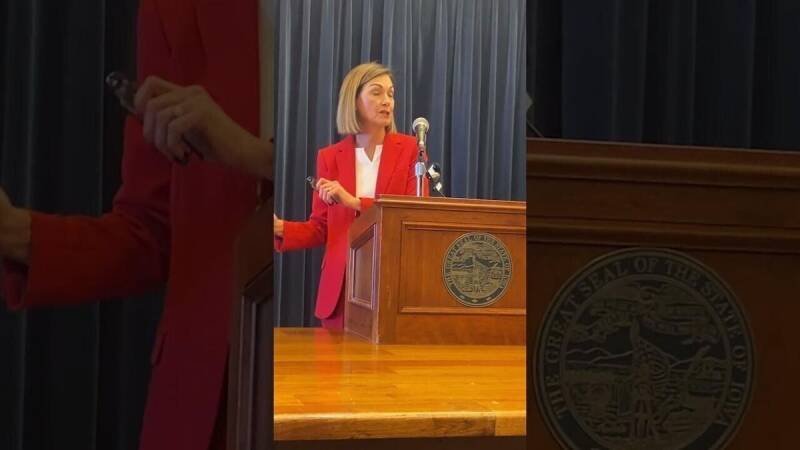



Iowa lawmakers missed their deadline for property tax reform and eminent domain rules. Learn what this means for homeowners and landowners.
Iowa's legislative session has passed its 100th day, a self-imposed target for wrapping up the year's work. However, key issues, including significant property tax reforms and changes to eminent domain laws, remain unresolved. This delay leaves Iowa homeowners and landowners in a state of uncertainty.
While the Iowa legislature convened with the intention of addressing these pressing concerns, reaching a consensus has proven difficult. Property tax reform is a complex issue with various stakeholders, from homeowners feeling the pinch of rising taxes to local governments relying on property tax revenue to fund essential services. Similarly, eminent domain, the government's right to take private property for public use, is a contentious topic that requires careful consideration to balance public benefit with individual property rights.
This delay has tangible consequences for Iowans. For homeowners, the lack of property tax reform means continued uncertainty about future tax bills. Many Iowans are struggling with rising property taxes, which can put a strain on household budgets. For landowners, the unresolved eminent domain issue creates anxiety about potential government overreach and the protection of their property rights. Without clear and updated laws, landowners risk being forced to sell to developers or the government for a lower price than the property is worth.
These delays also have broader implications for the Iowa economy. Businesses considering investing in Iowa may be hesitant without clarity on property taxes and eminent domain rules. In our opinion, a stable and predictable legal environment is crucial for attracting investment and fostering economic growth.
The failure to reach an agreement on these key issues by the 100th day suggests a lack of political will or, at the very least, a significant divide among lawmakers on how to address these complex problems. The process could be held up by the different approaches various lawmakers want to take. Some lawmakers may prefer targeted tax relief measures, while others may advocate for broader, more comprehensive reforms. Regarding eminent domain, the disagreement could stem from differing views on what constitutes a "public purpose" and how to ensure fair compensation for landowners.
It's also possible that partisan politics are playing a role. With differing priorities and agendas, Democrats and Republicans may struggle to find common ground on these issues. In our opinion, a compromise is essential to move forward and provide certainty for Iowans.
The legislative session is not yet over, so there is still time for lawmakers to reach an agreement. However, the longer the delay, the more difficult it becomes to address these issues effectively. We anticipate continued debate and negotiation in the coming weeks. It is possible that a compromise will be reached, but it is equally possible that these issues will be punted to a special session or even pushed to the next legislative session.
This could impact upcoming elections in Iowa. How lawmakers handle these critical issues will undoubtedly be a factor in how voters cast their ballots. Iowans are paying close attention to see if their elected officials are responsive to their concerns.
Here are some things you can do to stay informed and make your voice heard:
By staying informed and engaged, you can help shape the debate and ensure that your voice is heard in the policymaking process. It's important for Iowans to make sure their voices are heard at the legislative level.