Seafood Reinvented: Will Meat-Like Fish Products Hook Americans?
The seafood industry is betting big on meat-like fish products to boost consumption. Learn about this innovative approach, why it matters, and what the future holds for seafood.
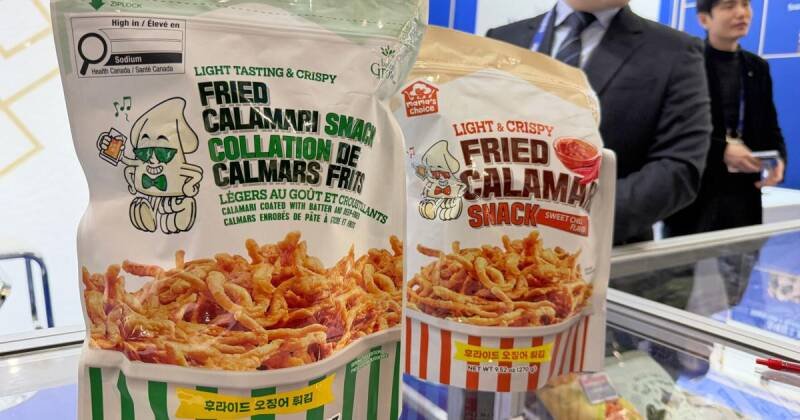



The seafood industry is betting big on meat-like fish products to boost consumption. Learn about this innovative approach, why it matters, and what the future holds for seafood.
The seafood industry is trying a new tactic to get more Americans to eat fish: making it look and taste more like meat. Imagine fish salami, fish meatballs, or even fish fried chicken! This isn't just about novelty; it's a strategic move to overcome some of the barriers that keep people from eating more seafood.
Companies are developing innovative ways to process fish into familiar meat forms. Instead of just selling fillets, they're creating products like fish sausage, fish burgers, and even fish spareribs. The idea is to appeal to consumers who are accustomed to the texture and presentation of meat but are open to exploring healthier, more sustainable options.
This approach involves using various processing techniques to restructure fish protein, add flavors, and create textures that mimic those of meat products. Some companies are even incorporating plant-based ingredients to enhance the taste and texture further.
American seafood consumption has historically lagged behind other developed nations. Several factors contribute to this, including concerns about fishy taste, bones, preparation methods, and sustainability. If successful, the meat-like fish strategy could significantly boost seafood consumption, offering potential benefits for both public health and the fishing industry.
Increased seafood consumption can contribute to a healthier diet, as fish is a rich source of omega-3 fatty acids, protein, and other essential nutrients. Furthermore, a thriving seafood industry can support coastal communities and promote sustainable fishing practices.
In our opinion, this "meat-ification" trend highlights a crucial aspect of consumer behavior: familiarity and convenience often trump pure nutritional value. By presenting fish in familiar formats, the industry is lowering the barrier to entry for many consumers who might otherwise be hesitant to try seafood.
However, success isn't guaranteed. Consumers need to be convinced that these meat-like fish products are not only tasty and convenient but also healthy and sustainably sourced. Transparency in sourcing and processing will be crucial.
The future of seafood consumption could be significantly shaped by these meat-like fish products. This trend aligns with the broader movement towards plant-based and alternative protein sources, suggesting a growing consumer appetite for innovative food products.
This could impact the entire food industry, creating new opportunities for seafood producers, food processors, and retailers. It may also drive further innovation in food technology, leading to the development of even more creative and appealing seafood products.
It's likely that we'll see a wider variety of meat-like fish products entering the market in the coming years. The key to long-term success will be a focus on taste, convenience, sustainability, and transparency. Only time will tell if this strategy will truly hook Americans on seafood, but the industry is certainly making a bold and innovative move.