Fulton County Jail Crisis: More Than Just Staffing Fixes Needed
The Fulton County Jail is facing a critical crisis due to overcrowding and understaffing. We analyze the underlying problems and potential solutions, highlighting why this situation demands comprehensive reform.
Fulton County Jail Crisis: More Than Just Staffing Fixes Needed
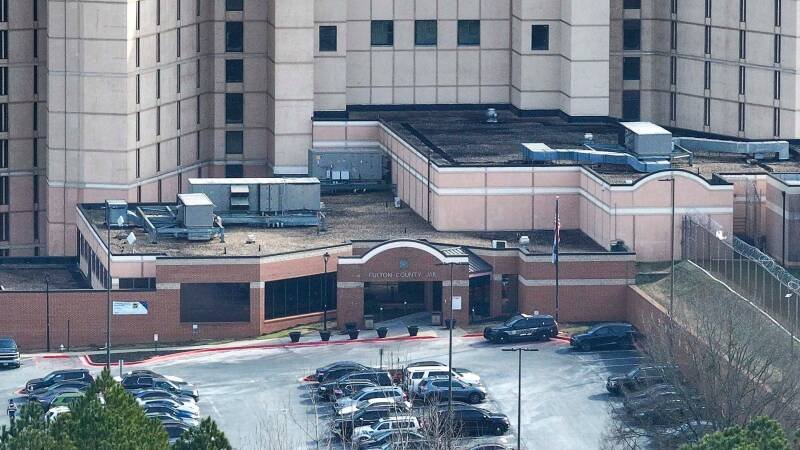
Fulton County, Georgia, is grappling with a severe crisis within its jail system. Overcrowding and understaffing have created a volatile environment, impacting not only inmates but also correctional officers and the wider community. Addressing this multifaceted problem requires more than just a simple influx of new hires. It demands a comprehensive and courageous approach to reform.
The Dire State of Fulton County Jail
The Fulton County Jail is significantly overcrowded. This means more inmates crammed into limited space, leading to increased tensions, violence, and health risks. Simultaneously, the jail is critically understaffed. Fewer officers are responsible for managing a larger inmate population, placing immense strain on existing personnel and compromising security. This creates a dangerous cycle that endangers everyone.
Reports indicate that the current situation is unsustainable. The jail is struggling to provide adequate medical care, mental health services, and basic necessities. This neglect can lead to legal challenges and further erode public trust.
Why This News Matters
This isn't just a local issue; it's a reflection of broader challenges within the criminal justice system. Overcrowding often stems from lengthy pre-trial detentions, driven by factors like cash bail systems and slow case processing. Understaffing is a nationwide problem in corrections, often attributed to low pay, high stress, and dangerous working conditions.
The conditions in the Fulton County Jail have real-world consequences. They increase the risk of violence within the jail, potentially leading to injuries and even deaths. They also exacerbate mental health issues among inmates, making rehabilitation more difficult. Furthermore, the inadequate staffing can impact public safety if inmates are not properly supervised. The current conditions present a liability for the county.
Our Analysis
In our opinion, addressing the Fulton County Jail crisis requires a multi-pronged strategy. Simply hiring more staff is a band-aid solution that doesn't address the root causes of the problem.
- Reducing Overcrowding: The county needs to explore alternatives to incarceration, such as pre-trial release programs and diversion programs for non-violent offenders. Expediting case processing can also significantly reduce the jail population.
- Improving Staffing Levels and Retention: Increasing salaries and benefits for correctional officers is essential to attract and retain qualified personnel. Providing better training and support can also improve morale and reduce turnover.
- Investing in Infrastructure: The aging jail facility may require upgrades or even replacement to provide a safe and humane environment for both inmates and staff.
- Community Collaboration: Engaging community organizations and stakeholders is crucial for developing long-term solutions. This includes partnerships with mental health providers, social service agencies, and re-entry programs.
In order to improve the situation, Fulton County needs to address both the symptom (overcrowding and understaffing) and the root cause (inefficient processes and poor resource allocation). This demands collaboration between the county government, law enforcement, the judicial system, and the community.
Future Outlook
The future of the Fulton County Jail hinges on the willingness of stakeholders to embrace comprehensive reform. If the county continues to rely on short-term fixes, the crisis will likely worsen, leading to further legal challenges, increased violence, and a breakdown of public trust.
However, if the county adopts a holistic approach that addresses the underlying causes of overcrowding and understaffing, it can create a safer and more humane environment for both inmates and staff. This could impact the criminal justice system throughout the region.
Moving forward, it's crucial to monitor the implementation of any proposed reforms and hold stakeholders accountable for their commitments. Transparency and public engagement are essential for building trust and ensuring that the reforms are effective and sustainable.
Ultimately, the Fulton County Jail crisis serves as a stark reminder of the challenges facing the criminal justice system in many communities. Addressing these challenges requires courage, collaboration, and a commitment to creating a more just and equitable society.