Iranian Tanker Defies US Blockade: What It Means for Global Oil Markets
An Iranian oil tanker, Sili City, breaches the US blockade and enters Iranian waters. Explore the implications for oil prices, US-Iran tensions, and the future of the Middle East.
Iranian Tanker Breaches US Blockade, Entering Territorial Waters
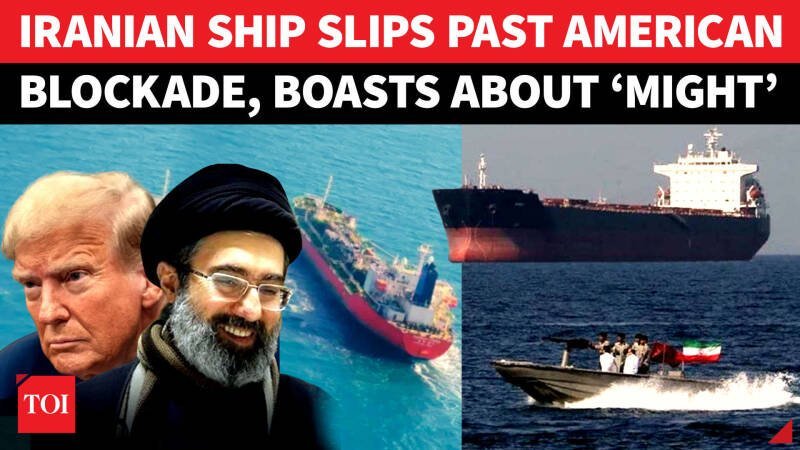
In a bold move that's raising eyebrows globally, the Iranian oil tanker, Sili City, has successfully entered Iranian territorial waters. This comes despite a significant US naval presence and ongoing efforts to enforce a blockade. The tanker's passage is being viewed as a direct challenge to the US's authority in the region and a defiant statement from Iran.
The tanker was reportedly escorted by Iran's Navy, providing a clear signal of protection and intent. This incident further escalates tensions already simmering in the Arabian Sea and the strategically vital Strait of Hormuz.
Traffic Disruptions and Market Anxiety
The Strait of Hormuz, a crucial waterway for global oil transport, has experienced significant disruptions. The presence of multiple vessels attempting to bypass US restrictions is contributing to increased anxiety in global oil markets. Any disruption in this area could have a rapid and significant impact on oil prices worldwide.
Adding another layer of complexity, the US President has conditionally extended a ceasefire, but remains firm in applying pressure on Iran. Meanwhile, Iran has warned of deploying new strategies if pushed further, suggesting the delicate truce could easily unravel.
Why This News Matters
This incident is significant for several reasons:
- Oil Prices: A successful breach of the blockade could lead to further attempts, potentially destabilizing oil prices and impacting economies globally.
- US-Iran Relations: This act of defiance further strains the already tense relationship between the US and Iran, increasing the risk of direct confrontation.
- Regional Stability: The situation threatens to destabilize the entire Middle East region, potentially drawing in other countries and escalating the conflict.
- International Law: The legality and effectiveness of the US blockade are being questioned, challenging established international norms.
Our Analysis
In our opinion, this tanker incident is a calculated move by Iran to test the resolve of the US. It's a high-stakes game of geopolitical chess. The fact that the tanker was escorted by the Iranian Navy shows a commitment to asserting its sovereignty and challenging US influence in the region. The conditional ceasefire announced by the US adds a layer of uncertainty to the situation. A miscalculation on either side could have devastating consequences.
The US faces a difficult dilemma. A strong response risks escalating the conflict, but inaction could be perceived as weakness, emboldening Iran and other actors who might seek to challenge US authority.
Future Outlook
The situation remains highly volatile. Several potential scenarios could unfold:
- Escalation: Further provocations could lead to a direct military confrontation between the US and Iran. This would have catastrophic consequences for the region and the global economy.
- Negotiation: The incident could also force both sides back to the negotiating table, seeking a diplomatic solution to de-escalate tensions. However, finding common ground will be a significant challenge.
- Stalemate: The situation could continue in a tense stalemate, with both sides engaging in a series of provocations and counter-provocations, without leading to a full-scale conflict.
The future hinges on the decisions made by leaders in both Washington and Tehran. It's imperative that all parties exercise caution and prioritize diplomatic solutions to prevent a wider conflict. This could impact global markets and create instability worldwide.
Ultimately, the international community has a crucial role to play in mediating the situation and promoting dialogue between the US and Iran. Failure to do so could lead to a dangerous and unpredictable future.