Prince George Residents Asked to Collect Bear Poop for Science! Understanding Urban Bear Behavior
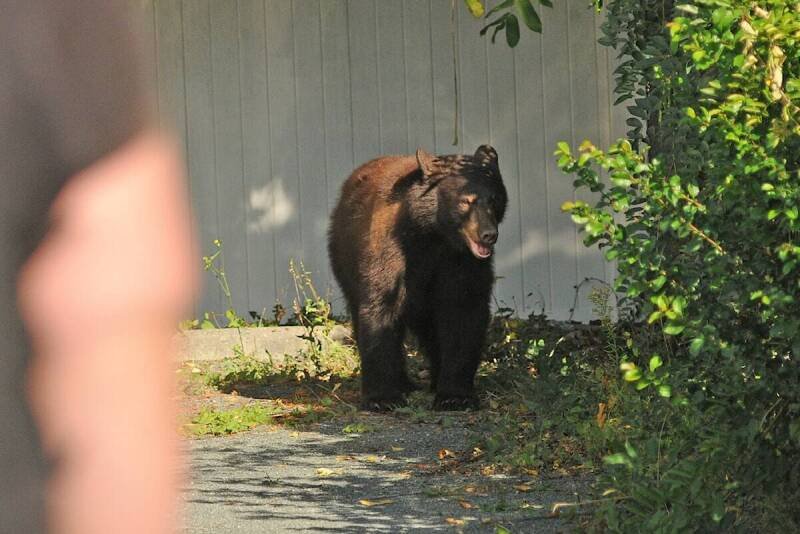
Residents of Prince George are being asked to collect bear poop for a research project aimed at understanding bear behavior in urban environments. Learn why this matters and what the future holds for human-bear co-existence.
Prince George Residents Asked to Become Bear Poop Detectives!
Residents of Prince George, British Columbia, are being enlisted as citizen scientists in an unusual but crucial research project. The CNC Research Forest, in collaboration with the Calgary Zoo, is expanding its study of urban bear behavior, and they need your help… collecting bear poop!
Why Bear Poop?
You might be wondering why bear scat is so valuable. The answer lies in the information it holds. Bear feces contains DNA, which allows researchers to identify individual bears, track their movements, and understand their diets. This information is vital for understanding how bears are adapting to living near humans and for developing strategies to minimize human-wildlife conflict.
The project, which has been ongoing, is now expanding its reach to gather even more data. By analyzing the genetic information in the collected samples, scientists can gain a deeper understanding of the local bear population's health, genetic diversity, and interaction with the urban landscape.
Why This News Matters
Understanding bear behavior in urban environments is becoming increasingly important as human development encroaches on wildlife habitats. This research directly contributes to:
- Reducing human-wildlife conflict: By understanding bear movements and feeding habits, communities can implement preventative measures like better waste management and public awareness campaigns.
- Conservation efforts: The data collected helps inform conservation strategies to protect bear populations and their habitats.
- Public safety: Knowing where bears are active and what attracts them to urban areas can help keep residents safe.
- Scientific advancement: This collaborative project contributes to our broader understanding of animal behavior and adaptation in changing environments.
Our Analysis
This initiative represents a clever and cost-effective way to gather valuable data. Relying on citizen scientists empowers the community and fosters a sense of ownership in wildlife conservation. The data collected could provide critical insights that would otherwise be difficult or expensive to obtain. In our opinion, this is a great example of how communities and scientists can work together for the benefit of both people and wildlife.
However, the success of this project hinges on residents' willingness to participate and follow safety guidelines. Proper handling of bear feces is essential to avoid health risks. It also requires careful documentation of the location and date of each sample collected. Therefore, clear instructions and accessible resources are crucial for maximizing participation and ensuring the integrity of the data.
Potential Challenges
While citizen science projects offer numerous benefits, some potential challenges exist:
- Data Accuracy: Relying on untrained individuals could introduce errors in data collection. Thorough training and clear guidelines are essential.
- Sample Contamination: Improper handling of samples could lead to contamination and inaccurate DNA analysis.
- Participation Rates: The success of the project depends on sufficient participation from the community.
Future Outlook
The expansion of this project suggests a growing recognition of the importance of understanding urban wildlife. The data collected will contribute to long-term monitoring of the Prince George bear population and inform future management decisions.
This initiative could also serve as a model for other communities facing similar challenges with urban wildlife. By sharing their experiences and best practices, the CNC Research Forest and the Calgary Zoo can help other regions develop effective strategies for coexisting with bears and other animals.
This research also has the potential to delve deeper into the physiological impact of urban living on bears. Future studies could analyze stress hormones in the fecal samples to assess the impact of human activity on bear welfare. This could lead to a more holistic understanding of the challenges faced by bears in urban environments and inform more targeted conservation efforts. This could impact future development choices.
Ultimately, the success of this project depends on continued collaboration between scientists, the community, and local authorities. With a shared commitment to understanding and protecting bear populations, Prince George can pave the way for a future where humans and wildlife can coexist peacefully. This project has the potential to create a template for other cities globally.