Hacking Traffic Cameras: The Tech Behind Modern Warfare and Iran
Explore the chilling reality of modern warfare where hacked traffic cameras and advanced surveillance technologies are used in targeted assassinations. Understand the implications and future of cyber warfare.
The Tech Of The Iran War: Hacking Traffic Cameras & Cyberpunk Surveillance Ops
Modern warfare is evolving. Forget just tanks and fighter jets; now, it's about code, networks, and exploiting vulnerabilities in everyday technology. The alleged assassination of Iranian nuclear scientist Mohsen Fakhrizadeh in 2020 starkly illustrates this shift. While details remain shrouded in secrecy, the incident reportedly involved the use of hacked traffic cameras and advanced surveillance technologies, painting a chilling picture of the future of conflict.
The Incident: More Than Just a Shooting
Reports suggest that the assassination wasn't a simple gunfight. Instead, it involved a remotely controlled weapon system, potentially using hacked traffic cameras to monitor Fakhrizadeh's movements and trajectory. This enabled precision targeting and a swift, calculated strike. This suggests a level of technological sophistication previously unseen in such operations.
How Traffic Cameras Could Be Compromised
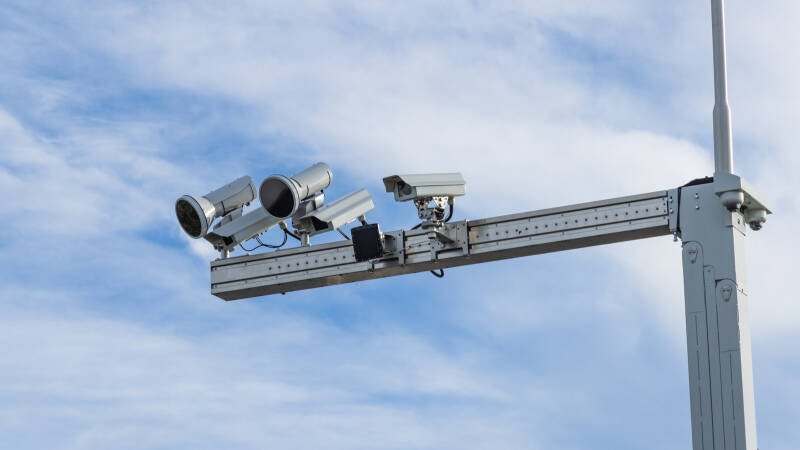
Traffic cameras, often connected to municipal networks, are notoriously vulnerable to cyberattacks. Security weaknesses can allow attackers to gain control, manipulate footage, and even use the cameras for surveillance. Think about it: hundreds of cameras, strategically placed, providing real-time information. It's a goldmine for intelligence gathering.
This is achieved through vulnerabilities such as default passwords, outdated software, or backdoors intentionally left in the devices. Once a system is compromised, it allows for a live feed of the targeted area allowing for detailed reconnaissance.
Beyond Traffic Cameras: A Network of Surveillance
The use of traffic cameras is likely just one piece of a much larger puzzle. The assassination likely involved a complex network of surveillance technologies, including:
- Facial recognition software: To identify and track Fakhrizadeh.
- Cell phone tracking: To pinpoint his location.
- Cyber intelligence: To gather information about his routes and habits.
This multilayered approach highlights the growing reliance on cyber intelligence in modern warfare.
Why This News Matters
The Fakhrizadeh assassination underscores the vulnerability of seemingly innocuous technologies like traffic cameras. It demonstrates that everyday devices can be weaponized, blurring the lines between physical and cyber warfare. This has profound implications for:
- National security: Governments must prioritize cybersecurity to protect critical infrastructure.
- Privacy: The widespread use of surveillance technologies raises serious concerns about privacy and civil liberties.
- International relations: Cyberattacks and targeted killings using technology can escalate tensions between nations.
Our Analysis
In our opinion, this incident represents a watershed moment. It reveals that cyber warfare is no longer confined to disrupting computer networks or stealing data. It can now be used to carry out physical attacks with deadly precision.
The fact that traffic cameras were potentially used in the assassination highlights the urgent need for improved cybersecurity measures. Governments and organizations must invest in protecting their networks and infrastructure from cyberattacks. Furthermore, the incident raises ethical questions about the use of technology in warfare.
This is not just a threat to Iran; it's a threat to the entire world. The ease at which these systems are accessible through various vulnerabilities is a clear indication of the risk.
Future Outlook
The future of warfare will likely be shaped by advancements in artificial intelligence (AI), machine learning, and cyber warfare. We can expect to see:
- More sophisticated cyberattacks targeting critical infrastructure.
- The development of autonomous weapons systems that can make decisions without human intervention.
- An increase in the use of surveillance technologies for intelligence gathering and law enforcement.
This could impact the balance of power between nations. Countries that invest in these technologies will have a significant advantage on the battlefield. The need for skilled cybersecurity professionals will also continue to grow. In our opinion, a global framework is needed to govern the use of these technologies and prevent their misuse. Failure to do so could lead to a dangerous escalation of conflict. The technology used to track targets is becoming more advanced and available, so government agencies will need to take that in to consideration when establishing security protocols.