Marriage Imbalance: When Retirement Doesn't Fix the Problem
A reader's letter reveals a common marital struggle: unequal partnership. We analyze the impact of retirement on relationship dynamics and offer insights into achieving balance.



A reader's letter reveals a common marital struggle: unequal partnership. We analyze the impact of retirement on relationship dynamics and offer insights into achieving balance.
A recent "Dear Annie" letter highlights a deeply relatable problem for many couples: a significant imbalance in the marriage, exacerbated by retirement. A woman, married for 45 years, writes about her growing frustration as her husband's retirement hasn't led to the hoped-for sharing of household responsibilities. Instead, she feels increasingly burdened and is nearing her "breaking point."
The crux of the issue is simple: the wife expected her husband to become more involved in household chores and errands after he retired. This expectation stemmed from a long-standing imbalance where she carried the bulk of the domestic workload. However, his retirement hasn't changed his behavior, leaving her feeling overwhelmed and resentful.
This letter isn't just one woman's story; it's a microcosm of a larger societal challenge. Many couples face imbalances in their relationships, and retirement can either amplify or alleviate these issues. It's crucial because it spotlights the importance of:
In our opinion, the underlying problem is likely a lack of pre-retirement communication and a potential disconnect between the couple's expectations. The wife seemingly hoped her husband would automatically understand her needs and step up his involvement without her explicitly stating her desires. This is a common pitfall in long-term relationships.
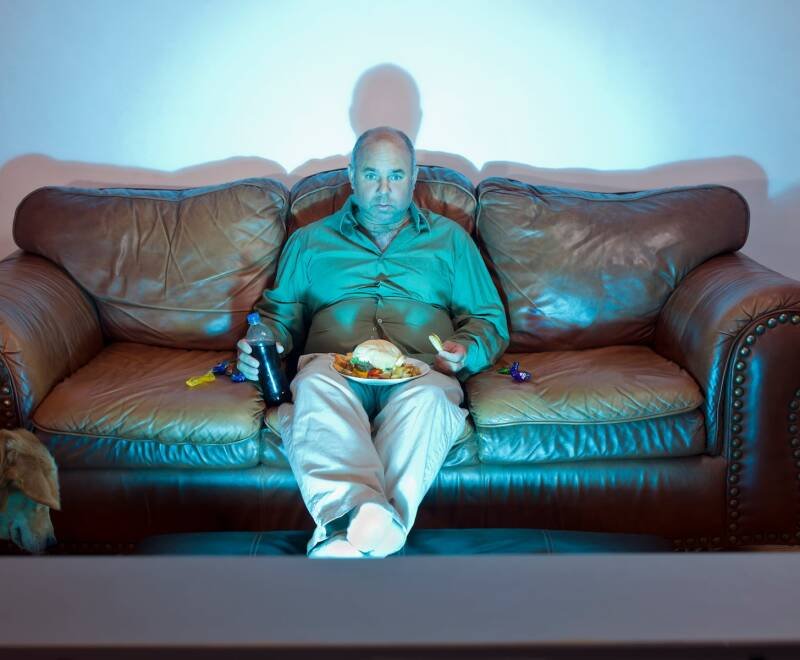
Retirement often acts as a magnifying glass, highlighting existing issues within a marriage. If a couple already has an established pattern of unequal division of labor, retirement might simply reinforce that pattern, leading to increased resentment and conflict. The husband may be holding onto traditional gender roles or simply enjoying his newfound freedom without realizing the impact on his wife.
Furthermore, the fact that this imbalance has persisted for 45 years suggests deep-seated habits and possibly unresolved resentment on the wife's part. Addressing this after so long will require considerable effort and willingness from both partners to change.
The future of this marriage depends on the couple's ability to communicate effectively and address the imbalance. Here's what could happen:
This could impact other couples who are approaching or experiencing retirement. It serves as a cautionary tale about the importance of proactive communication and addressing imbalances before they become deeply ingrained. It also highlights the need for couples to have realistic expectations about retirement and to be prepared to adjust their roles and responsibilities as needed.
Ultimately, a successful marriage requires ongoing effort, communication, and a willingness to adapt to life's changes. Retirement is just one of many transitions that can test a couple's bond, but with open communication and a commitment to fairness, couples can navigate these challenges and build a stronger, more fulfilling relationship.